
Med info
How Long Does Eyelid Surgery Recovery Take?

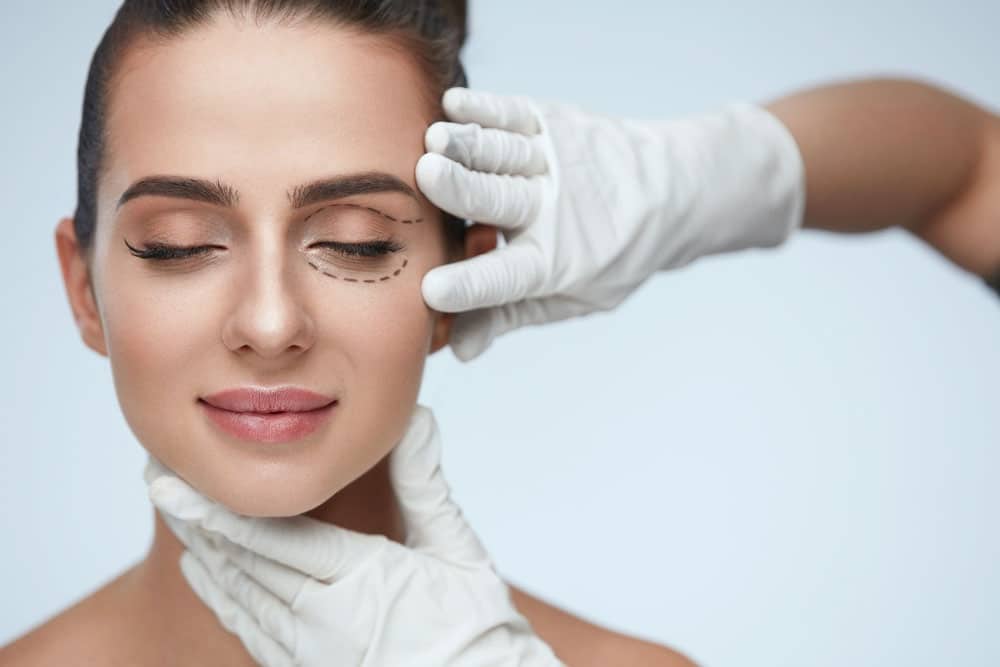
As we age, the skin around the eyes can start to droop or sag. This may or may not interfere with vision, but it almost always affects self‑confidence. There is a cosmetic procedure that can address both issues, known as eyelid surgery or blepharoplasty. At the Eye Center in Batal Specialized Complex in Saudi Arabia, we offer this effective anti‑aging procedure that can open up the eyes, restore a more youthful appearance and vision, and help patients feel younger again.
Read also: Thyroid Nodules | Causes, Symptoms, and Treatment of Thyroid Nodules
How Long Does It Take to Recover From Eyelid Surgery?
Once you undergo eyelid surgery, also known as blepharoplasty, you can generally expect to spend about 7 to 14 days resting and recovering. After the first two weeks, you can begin enjoying your refreshed, younger‑looking eye area. It usually takes around six months for any residual redness to completely fade.
After the procedure, the first four to five days should be dedicated mainly to rest and recovery until the sutures are removed. Makeup can usually be applied a few days after surgery. Within 7 to 10 days, most people are able to resume normal daily activities, and after about two weeks they can fully enjoy the visible results. By six months, you should look fully healed.
Read also: Graves’ Disease | Everything You Need to Know About the Most Common Cause of Hyperthyroidism
How to Support a Healthy Recovery
First and foremost, it’s important to follow all the instructions provided by your surgeon. Doing so ensures you are taking every possible step to promote proper healing. In addition, making healthy lifestyle choices during recovery can significantly improve your body’s ability to heal.
Eat the Right Foods
There are specific foods you can add to your diet that help support healing after surgery. These foods contain antioxidants and key nutrients that support overall health and aid the body in repair and recovery.
From fruits to healthy fats, it’s important to include the right foods that promote healing and help you feel your best. Some of the best foods to include in your post‑operative diet are:
[Here you can list items such as: berries, citrus fruits, leafy greens, lean protein, nuts, seeds, avocados, olive oil, etc.]
It’s also very common for the body to become somewhat dehydrated after surgery, which is why proper hydration is essential for a faster recovery. You may need more fluids than usual during the healing period to support circulation and tissue repair.
If you don’t like the taste of plain water, you can add natural flavorings to make it more appealing. Caffeine‑free herbal teas, water, and clear broths all count toward your daily fluid intake, and including them in your diet can help you get essential nutrients while meeting your hydration needs.
Avoid Unhealthy Lifestyle Habits
During recovery, it’s important to avoid unhealthy lifestyle habits such as smoking, excessive alcohol consumption, and drinking too much coffee. Eating highly sugary or salty foods is also considered unhealthy at this stage, as salt promotes puffiness and fluid retention, while excess sugar increases inflammation.
Inflammation is the last thing you want when your body is trying to heal, so limiting or completely avoiding processed foods high in simple sugars is one of the best things you can do.
Exercise Only as Directed
After your eyelid surgery, you will be given detailed instructions on how to support healing, along with a list of activities to avoid. Heavy lifting and strenuous exercise should be avoided, but gentle movement is encouraged to keep your body as healthy as possible during recovery.
Even if you feel more comfortable resting in the first few days, it’s important to incorporate light physical activity as advised by your surgeon. Movement increases blood flow and helps release endorphins, which can support a stable, healthy mood throughout the recovery period.
The Eye Center at Batal Specialized Complex in Saudi Arabia is one of the best centers for treating vision problems, thanks to its distinguished medical team. Don’t hesitate to visit for a comprehensive eye examination.
Frequently Asked Questions About Eyelid Surgery Recovery
What Happens During Eyelid Surgery Recovery?
Blepharoplasty is a fully customizable procedure, so the surgical plan will differ from one patient to another. Some patients choose to treat both the upper and lower eyelids, while others focus on just one area. Based on the treatment plan, the surgeon will make an incision in the upper or lower eyelid to remove excess tissue, fat, and skin, smooth wrinkles, and tighten the entire area.
How Long Does the Procedure Take?
Eyelid surgery typically takes about 1.5 to 2 hours, depending on how complex the treatment plan is.
What Causes Aging Around the Eyes?
In addition to the natural aging process itself, several factors contribute to an older appearance around the eyes. Sun exposure, genetics, and lifestyle factors all play a role in the development of wrinkles, fine lines, and drooping or sagging skin around the eyes.
Excess fatty tissue can also cause puffiness. Whatever the reason your eyes have started to look older or less aesthetically pleasing, eyelid surgery can address these concerns and restore a more youthful appearance to the entire eye area.
What Is Traditional Blepharoplasty?
Traditional blepharoplasty, sometimes referred to as “eyelid suturing,” is a classic technique used to rejuvenate the eyes. The procedure involves creating an incision in the upper eyelid near the temples, which helps conceal the scar once healing is complete. Traditional blepharoplasty can also be used to treat the lower eyelids through an incision along the lower lash line, and this scar is likewise well hidden once the surgery has healed.
Will I Need Anesthesia?
Yes. When you choose to undergo this procedure, some form of anesthesia will be required. Local anesthesia is typically injected around the eyes, and an intravenous (IV) line is placed in the arm to deliver the appropriate amount of sedation or anesthesia to keep you comfortable throughout the surgery.
How Long Will the Results Last?
Eyelid surgery is designed to provide long‑lasting, often permanent, improvement. The procedure removes excess skin and fat from the eye area to restore a more youthful look. However, aging cannot be stopped entirely, so additional wrinkles around the eyes may appear later in life.
Maintaining Long‑Term Results
If, years after the procedure, you begin to notice new wrinkles at the outer corners of the eyes, there is a non‑surgical solution. Laser resurfacing treatments can effectively reduce these lines and restore a more youthful look to the area.

In addition, taking steps to protect your eyes from accelerated aging will make a significant difference in maintaining your results over the long term. Wearing a hat and sunglasses in the sun, along with daily use of a high‑quality sunscreen, will help protect the delicate skin around the eyes from harmful UV rays.
Read also: Hyphema | Causes, Symptoms, and Treatment of Bleeding in the Eye

'/%3E%3C/svg%3E)