Med info
Wisdom Tooth Extraction: Why Is It Necessary?

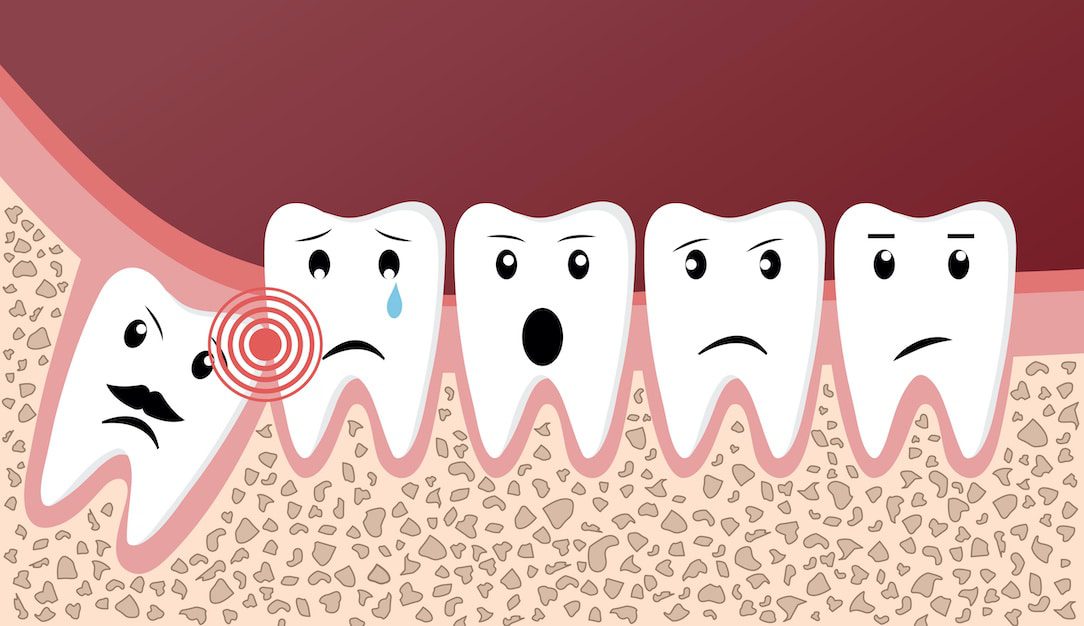
If you’re dealing with sharp pain in the back of your mouth, your wisdom teeth have likely started to come in. Unlike your other teeth, wisdom teeth can develop in unhealthy ways that cause pain and even serious oral health problems. To prevent these issues and protect your long‑term dental health, dentists often recommend wisdom tooth extraction.
Read also: Teeth Grinding (Bruxism) | Causes, Symptoms, and Treatment
What Are Wisdom Teeth?
Between the ages of about 17 and 21, some people develop a third set of molars at the very back of the upper and lower jaws. These third molars are what we call wisdom teeth.
While wisdom teeth were useful for our ancestors who ate tough, unprocessed foods, they no longer serve a real functional purpose today, as humans have evolved beyond needing them. Even so, more than 53% of people still have at least one wisdom tooth.
Read also: Everything You Need to Know About Dental Bridges
When Should You See Your Dentist About a Wisdom Tooth?
You usually don’t need to worry about your wisdom teeth if they erupt (come in) fully and in the correct position. However, if you experience any of the following symptoms, you should see your dentist as soon as possible:
Read also: Dental Crowns | Pros and Cons
Your dentist will perform a thorough evaluation of your teeth and let you know whether your wisdom teeth should be removed. Initial wisdom tooth assessments are typically recommended between ages 16 and 19. Many dentists consider it safer to remove wisdom teeth before they start causing problems.
As you get older, the jawbone becomes denser and the tooth roots more firmly anchored, making extractions more difficult. That’s why the earlier you have your teeth checked, the better.
Read also: Braces vs. Aligners | Comparing Two Options for Straightening Teeth
Wisdom teeth don’t always come in as easily or as quickly as your other teeth. The human mouth often doesn’t have enough space to accommodate them. In many cases, wisdom teeth never fully erupt and remain trapped inside the jaw for a long time. These are called impacted teeth.
As you age, your bones become harder and denser, which makes it more difficult for impacted teeth to break through the gum line and fully appear in the mouth. This type of impaction can cause intense pain, irritation, and gum inflammation. Impacted teeth also tend to harbor bacteria, which can lead to infections that damage the roots and bone supporting neighboring teeth.
Read also: Facts and Information About Digital Dentistry
Partially Erupted Wisdom Teeth
Partially erupted wisdom teeth can be just as harmful as fully impacted ones. When a tooth is only partly through the gums, you may develop gum inflammation (pericoronitis), irritation, and severe jaw pain.
The area around partially erupted teeth can become very sensitive and painful, especially when food gets trapped there. This sensitivity and the difficult angle of the tooth also make it hard to clean properly, increasing the risk of decay and infection.
Read also: Everything You Need to Know About Periodontal Pockets
Crowding and Misalignment Caused by Wisdom Teeth
Sometimes, depending on the size of your jaw, wisdom teeth may fully erupt and take up a lot of space in your mouth. A fully erupted wisdom tooth in an already crowded mouth is not healthy for the rest of your teeth. The new tooth not only lacks the space to grow and align properly, but it can also cause misalignment problems that may not be fully correctable with orthodontic treatment.
Wisdom teeth can also grow at an angle or sideways into an already crowded mouth, pushing neighboring teeth out of alignment. When your teeth don’t line up properly, their function is affected and it can also alter the shape of your jaw and smile.
If you have more than one wisdom tooth coming in but only some of them are causing crowding, your dentist will determine which teeth should be removed and which can be left alone. There isn’t much you can do to control how your wisdom teeth grow, but you can schedule regular dental checkups to make sure everything in your mouth is developing as it should.
Read also: Tooth Contouring (Enameloplasty) | How It Can Improve Your Smile
Will You Have Problems If Your Wisdom Teeth Are Not Removed?
If your dentist recommends wisdom tooth extraction and you choose not to proceed, you may be at risk for complications that could have been prevented by removing the teeth. These can include infections, cysts, crowding, damage to adjacent teeth, gum disease, and chronic pain.
What Age Is Best for Wisdom Tooth Removal?
Wisdom teeth typically erupt between ages 18 and 25. Depending on the position and severity of impaction, you may need to have them removed as early as 17–18. It is possible to extract wisdom teeth at almost any age; however, teenagers and people in their early twenties generally have fewer surgical complications.

That’s because at younger ages, the roots of the wisdom teeth are not fully formed and the jawbone is less dense, which makes the extraction easier and the healing process smoother.