Med info
Will Vision Return to 6/6 After LASIK Surgery? 2026

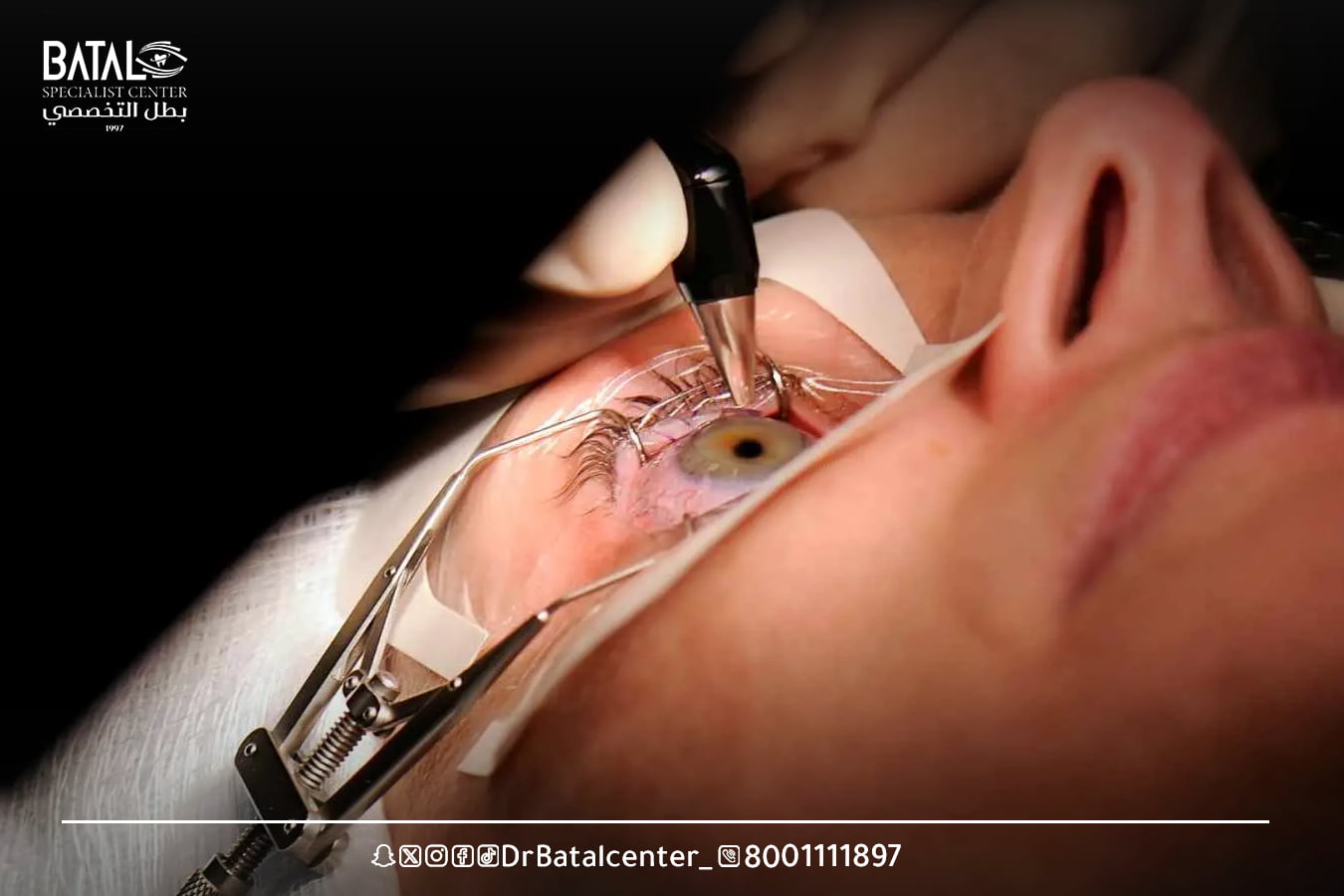
Will vision return to 6/6 after LASIK? LASIK stands for Laser-Assisted in Situ Keratomileusis. It is a procedure that permanently reshapes the cornea using an excimer laser. LASIK is a type of refractive surgery designed to reduce a person’s dependence on eyeglasses or contact lenses.
There are many types of refractive surgeries. Consulting the eye care team at Batal Specialized Complex in Jeddah is essential to determine which refractive procedure is the best option for your individual eye health.
LASIK is probably the most well‑known laser eye surgery and is among the most commonly performed eye procedures worldwide. In general, LASIK patients experience relatively fast recovery. During the procedure, the ophthalmologist creates a flap in the outer layer of the cornea, then applies the laser to the underlying corneal tissue. The flap is then repositioned and heals without the need for stitches.
Most patients achieve 6/6 vision after LASIK, and about 95% of patients are satisfied with their results.
Will Vision Return to 6/6 After LASIK Surgery?
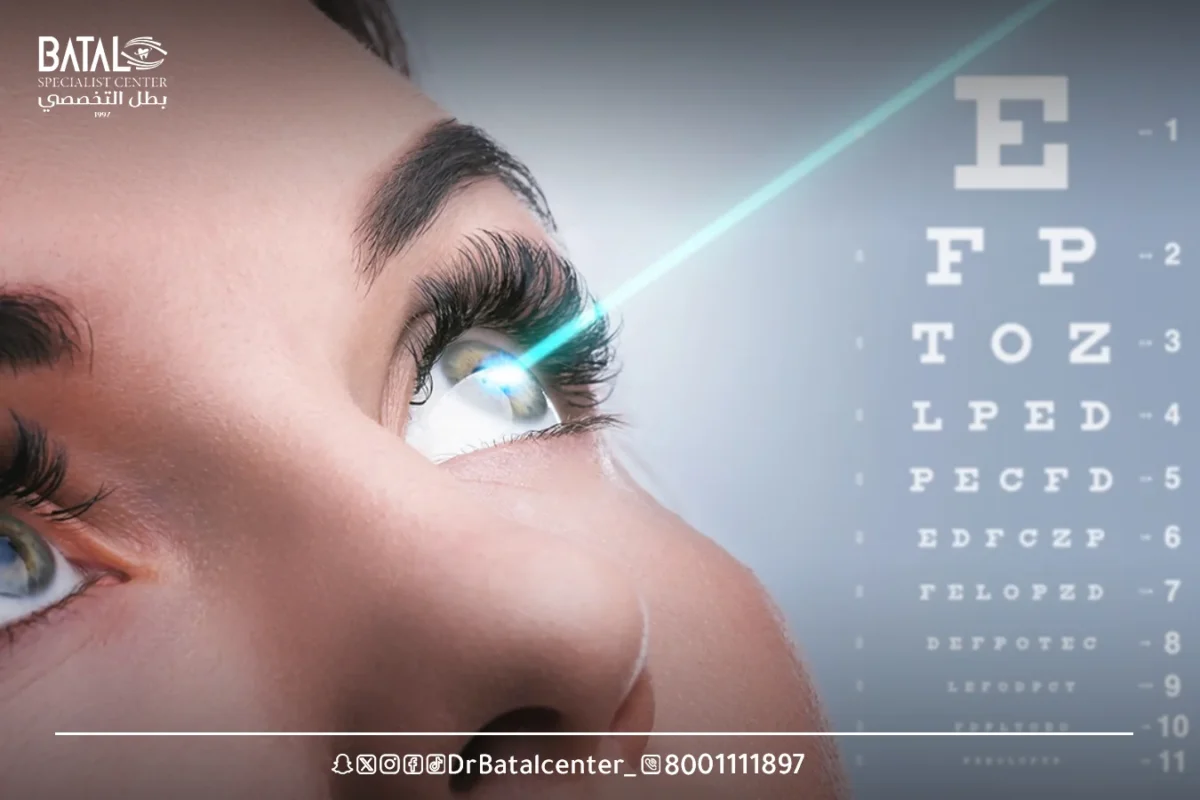
Yes, LASIK eye surgery can help you achieve 6/6 vision. Around 95% of people who undergo laser vision correction are satisfied with the outcome and no longer need corrective lenses once their vision has stabilized.
It is uncommon for vision to regress fully to the level it was before surgery. When that does happen, it is usually due to changes in the eye’s natural lens (such as cataracts), hormonal imbalances, pregnancy, or abnormal wound healing.
So, will vision definitely return to 6/6 after LASIK? Perfect 6/6 vision after LASIK is not guaranteed. Many patients do reach 6/6, but certainly not all. Estimates suggest that about 80% of LASIK patients achieve 6/6 vision after the procedure. In addition, approximately 95% of patients reach 6/12 vision or better.
Overall LASIK outcomes usually depend on the degree of refractive error before surgery, along with several other factors such as:
Factors That Affect Whether Vision Returns to 6/6 After LASIK
Several factors influence whether you will achieve 6/6 vision after LASIK and how stable your vision will be. These include:
– Following your surgeon’s post‑operative instructions. This is crucial to ensure proper healing of the eye and faster stabilization of your vision.
– Risk of infection if instructions are not followed. Any redness, pain, or discharge from the eye may indicate an infection.
– The condition of your eyes and your overall health before surgery. Both can affect whether you reach 6/6 vision after LASIK and how long recovery takes.
– Age. Age can influence how quickly you recover and whether you reach 6/6. Younger patients may obtain clear vision almost immediately, while older patients might need several months to achieve their final visual result.
– Degree of refractive error. LASIK works best within certain ranges of myopia, hyperopia, and astigmatism. The more severe the refractive error, the more challenging it is to achieve optimal results with LASIK.
– Stability of your prescription. Your ophthalmologist determines how much correction to apply based on how stable your vision has been over the previous 12 months. If you have had recent changes in your glasses or contact lens prescription, you may not be an ideal candidate for LASIK.
– Pre‑existing eye conditions. Dry eye disease, glaucoma, and corneal disorders can all affect LASIK outcomes.
Possibility of Returning to 6/6 Vision After LASIK
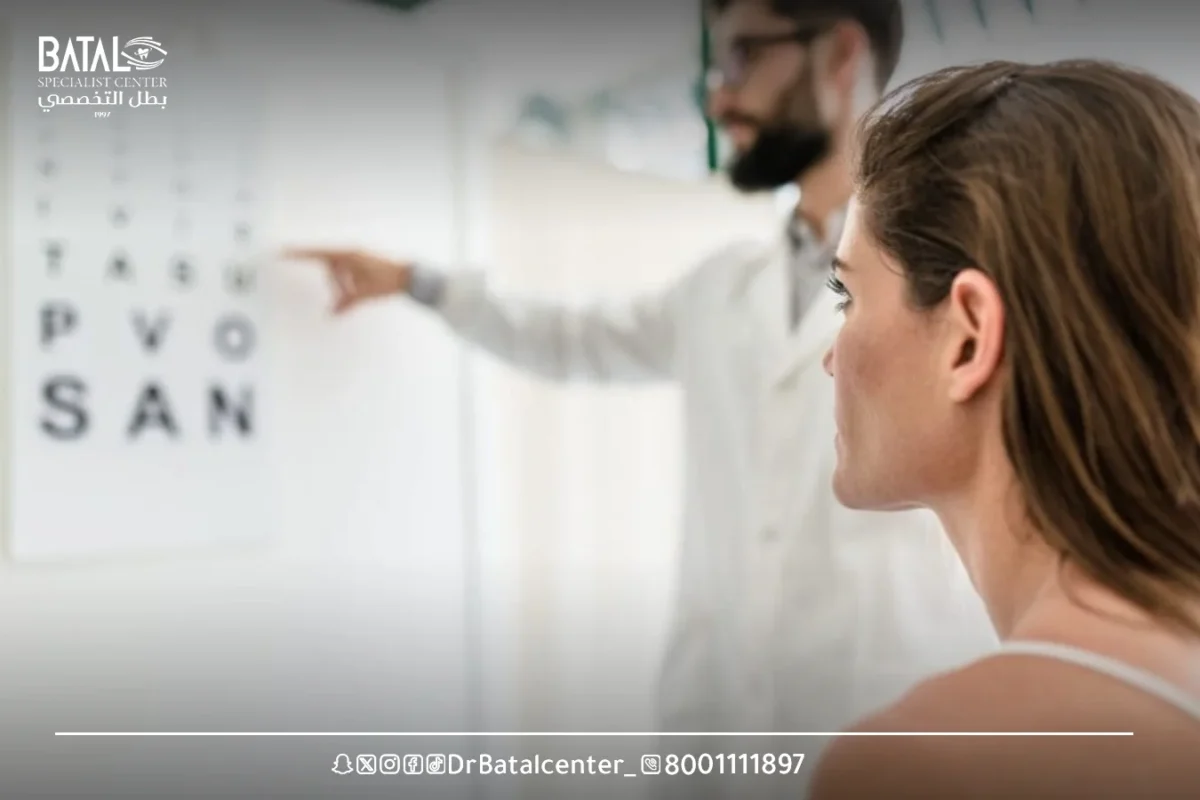
Although LASIK has a high success rate in improving vision, there are situations where vision may not reach 6/6 after the procedure. Several medical conditions and individual factors can influence whether you achieve 6/6 vision after LASIK.
Are There Cases Where Vision Does Not Return to 6/6 After LASIK?
Yes. A number of medical conditions and factors can impact whether you reach 6/6 vision and affect your overall LASIK result, including:
– Very high levels of myopia, hyperopia, or astigmatism
– Irregular or thin corneas
– Significant dry eye disease
– Progressive eye diseases such as keratoconus
– Systemic conditions that affect healing, such as uncontrolled diabetes or autoimmune diseases
– Hormonal changes (for example, pregnancy) during the healing period
– Abnormal or excessive scarring in the cornea
– Age‑related changes like presbyopia or developing cataracts over time
LASIK With the Highest Chance of 6/6 Vision at the Eye Center of Batal Specialized Complex
Most candidates for laser eye surgery at the Eye Center of Batal Specialized Complex report a significant improvement in their vision. You can review patients’ experiences at Batal Specialized Complex, where many have achieved 6/6 visual acuity. Before surgery, a consultation with the eye care team helps you understand what to expect and whether there are any limitations in your case before proceeding with refractive surgery.
At the Eye Center of Batal Specialized Complex in Jeddah, we are committed to making sure you feel supported and confident throughout your entire LASIK journey—from your initial consultation through full recovery. You can expect:
– Comprehensive, individualized pre‑operative assessment
– Clear explanation of the most suitable technique for your eyes (LASIK, Femto‑LASIK, or SMILE)
– Advanced diagnostic and laser technology to maximize safety and visual outcomes
– Close follow‑up after surgery to monitor healing and address any concerns
The Eye Center team at Batal Specialized Complex includes some of the leading ophthalmologists in the Kingdom—such as Dr. Issa Baeesa, Dr. Bara Fattah, and Dr. Saud Al‑Johani—who combine extensive experience with the latest LASIK, Femto‑LASIK, and Femto‑SMILE technologies to achieve the best possible results for each individual case.