
Med info
Why Might You Need a Tooth Extraction?

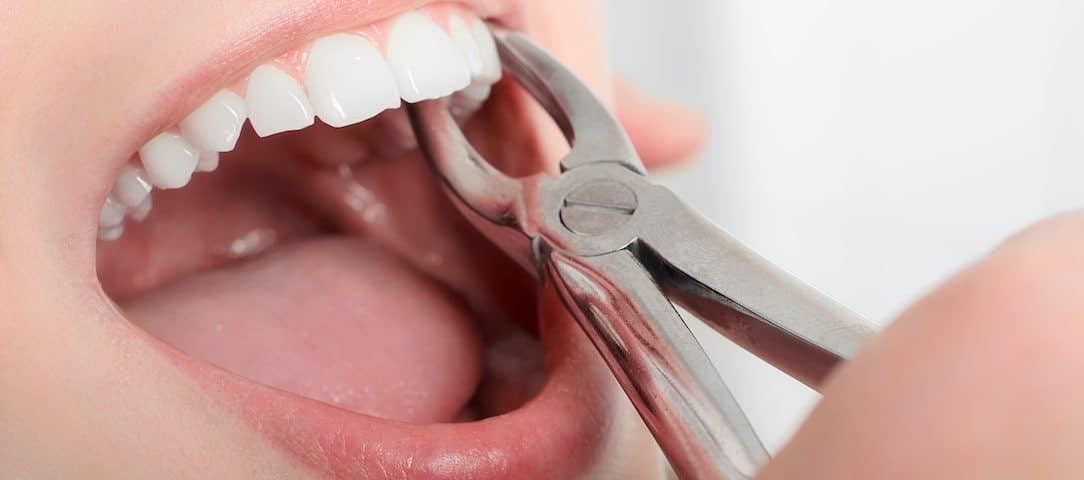
Sometimes you simply have to go through with a tooth extraction. It’s never anyone’s first choice, but it can be a necessary step to protect your overall oral health, especially in situations where leaving the tooth in place could lead to more serious problems.
Tooth decay, gum disease, trauma, and dental crowding are all reasons a dentist may recommend extracting a tooth. Some of these conditions, like cavities and certain types of gum disease, can often be prevented with good oral hygiene and preventive care such as routine check-ups and dental sealants. Other situations, like impaction, trauma, or severe crowding, are mostly a matter of bad luck.
Read also: Information and Facts About Digital Dentistry
When Should I Have a Tooth Extracted?
Impacted Tooth
An impacted tooth is a tooth that is blocked from fully erupting into its normal position and instead grows directly into a neighboring tooth. Impacted teeth are more prone to infection, which can cause redness, swelling, pain, or bleeding of the gums. People with impacted teeth often report jaw pain, facial swelling, and difficulty opening their mouth.
Wisdom teeth are the most common culprits. These are the third molars at the back of the mouth, and they often don’t have enough room to come in straight. As a result, they may angle inward toward the other teeth. In many of these cases, it’s best to remove the wisdom tooth as early as possible to prevent damage to the surrounding teeth.
Read also: Local Dental Anesthesia | Types and Side Effects
Tooth Decay
Plaque and tartar buildup on the teeth leads to tooth decay. Over time, these deposits erode the tooth’s enamel, weakening it and making it more fragile. If the decay progresses far enough, a serious infection can develop, resulting in intense pain, swelling, and redness. Once a tooth has deteriorated to this extent, it may need to be removed entirely and replaced with a dental bridge (or another restoration) to prevent further health issues.
Read also: Tooth Fractures | Causes, Symptoms, and Treatment
Gum Disease
Like tooth decay, gum disease is often caused by the accumulation of plaque and tartar on the teeth. There are several gum and bone conditions that can affect the tissues around the teeth, but the two most common are gingivitis and periodontitis.
Gingivitis is inflammation of the gums around the teeth, while periodontitis is a more advanced infection that affects the supporting bone and tissues that hold the teeth in place. If the bone or gum tissue around a tooth is severely compromised, extraction may be necessary, followed by a dental bridge or a dental crown to help preserve the function and alignment of the surrounding teeth.
Read also: Invisalign Braces | What It Is, How It Works, and Its Advantages
Accident or Trauma
Teeth are often among the first casualties in an accident. Whether you’re hit in the face with a fast-moving baseball or involved in a car crash, traumatic injuries can severely damage teeth. Sometimes the damage to a tooth is so extensive that it simply can’t be saved. In that situation, extraction becomes an important part of the recovery process.
Leaving a severely damaged tooth in place can lead to serious infection and may eventually require root canal treatment, which can be just as involved and uncomfortable. In some cases, removing the tooth is the safer and more predictable option.
Read also: Zoom Teeth Whitening Technology – How It Works and Is It Right for You?
Crowding
In addition to causing pain, impacted teeth can also contribute to dental crowding. Crowding can turn a previously straight, well-aligned smile into one with overlapping or crooked teeth. Removing problematic teeth at the back of the mouth can create the space needed for the remaining teeth to move into a better position, helping maintain a straight smile and sometimes reducing or eliminating the need for braces.
Read also: Tooth Contouring | How Can It Improve My Smile?
What Should I Expect During a Tooth Extraction?
For a simple tooth extraction, a general dentist will usually numb the area with a local anesthetic and remove the tooth using specialized forceps and instruments. If the tooth is impacted (such as a deeply embedded wisdom tooth), a surgical extraction may be required. This involves making a small incision in the gum and sometimes removing a bit of bone to access and extract the tooth.
After an extraction, it’s important to rest and stick to a soft-food diet while the area heals, so consulting your dentist about aftercare is highly recommended.
Read also: Treatment of Swollen Gums at Batal Specialized Complex
Who Performs Tooth Extractions?
Tooth extractions are typically performed by a general dentist, a dentist with surgical experience, or an oral and maxillofacial surgeon.
How Much Will a Tooth Extraction Cost?
The cost of treatment depends on several factors:
– The number of teeth to be extracted
– Whether it is a simple or surgical extraction
– The type and amount of anesthesia or sedation required
In addition, your dental insurance coverage and benefits will play a major role in determining your final out-of-pocket cost.
Can I Be Asleep During a Tooth Extraction?
Yes. Because extraction is a surgical procedure, many patients choose to have the tooth removed under sedation or general anesthesia when appropriate. Anesthesia can make the procedure more comfortable, reduce anxiety, and help improve the overall success of the treatment by allowing the dentist or surgeon to work without interruption.
Will Anesthesia Affect How Quickly I Heal After a Tooth Extraction?
Anesthesia itself does not slow down or speed up healing. Recovery depends on factors such as your overall health, how complex the extraction was, and how well you follow post‑operative instructions. However, anesthesia can make the experience far more tolerable. Many patients feel anxious or fearful during dental procedures, and this can cause sudden movements or reactions that might complicate the treatment. By keeping you relaxed and still, anesthesia can help the procedure go more smoothly and reduce the risk of complications.
Can I Smoke After a Tooth Extraction?

No. It is strongly advised that you do not smoke after a tooth extraction. Smoking can interfere with the healing process, increase pain, and raise the risk of complications such as dry socket and infection. Avoid smoking for as long as possible after the surgery to support faster and more comfortable healing.