Med info
What’s the Difference Between Laser and LASIK?

Do you actually know the difference between “laser” and “LASIK”?
When it comes to eye procedures, the terms can get confusing. Below, we’ll break things down clearly for you and also look at another option you may want to consider. Here’s what you need to know if you’re looking for safe ways to correct your vision.
Read also: Explanation of normal vision measurements and what the normal vision ranges are
The Difference Between Laser and LASIK in Simple Terms
When we talk about the difference between “laser” and “LASIK,” the key thing to understand is that there isn’t a big difference:
LASIK surgery is actually a type of laser eye surgery.
In fact, the word LASIK is an acronym for “Laser-Assisted In Situ Keratomileusis,” which is the full medical name of the procedure. There are other kinds of laser eye surgery besides LASIK, such as laser cataract surgery, but LASIK itself is always performed using a laser.
Read also: LASIK surgery requirements explained in detail
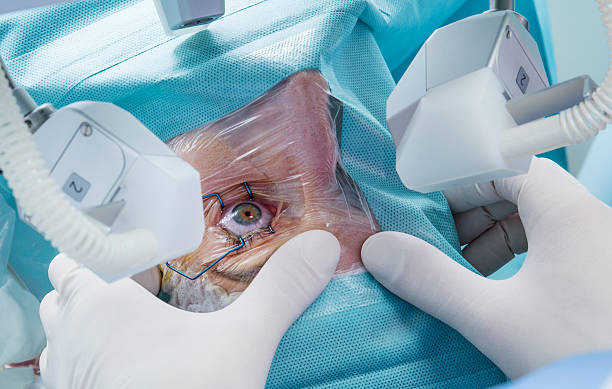
The difference between LASIK and “laser” procedures
How Does LASIK Surgery Work?
LASIK works by reshaping the cornea. This allows light entering the eye to focus more precisely on the retina, which improves vision. It can correct nearsightedness (myopia), farsightedness (hyperopia), and astigmatism.
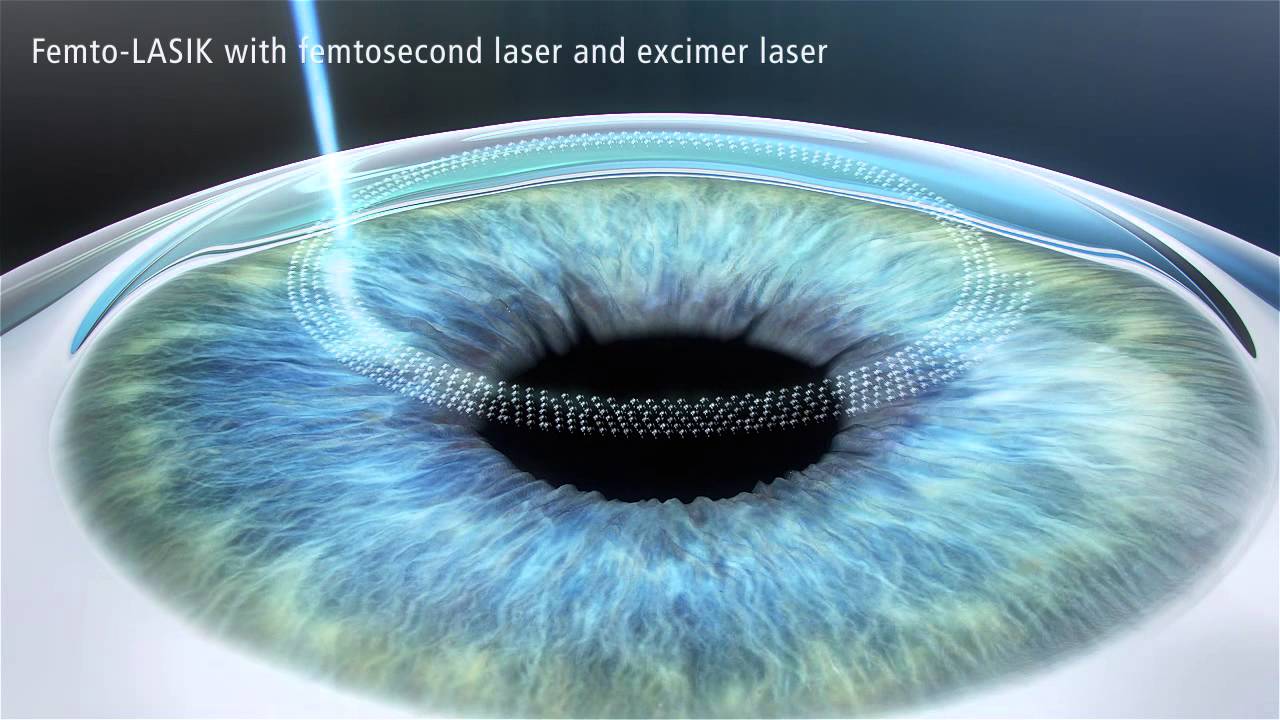
The procedure involves creating a very thin flap in the cornea using a microkeratome (a special surgical blade) or a laser. The surgeon gently lifts this flap back to expose the underlying corneal tissue. Then an excimer laser is used to remove a precise amount of corneal tissue, reshaping the cornea so that light focuses more accurately on the retina.
– If you are nearsighted, the cornea is flattened.
– If you are farsighted, the cornea is made steeper.
Once the laser reshaping (ablation) is complete, the corneal flap is repositioned so it can heal naturally.
Read also: LASIK and common questions no one tells you before surgery
What Are the Risks of LASIK Surgery?
Before deciding whether LASIK is right for you, it’s important to consider the possible risks and side effects. Although the procedure typically takes only about 15 minutes, it is still a surgical operation, and all surgeries carry some level of risk.
With LASIK, there is a potential risk not only to the quality of your vision, but also to the overall health of your eyes.
Some of the possible risks and side effects associated with LASIK include:
Read also: Types of vision correction procedures | Learn about the most important options available
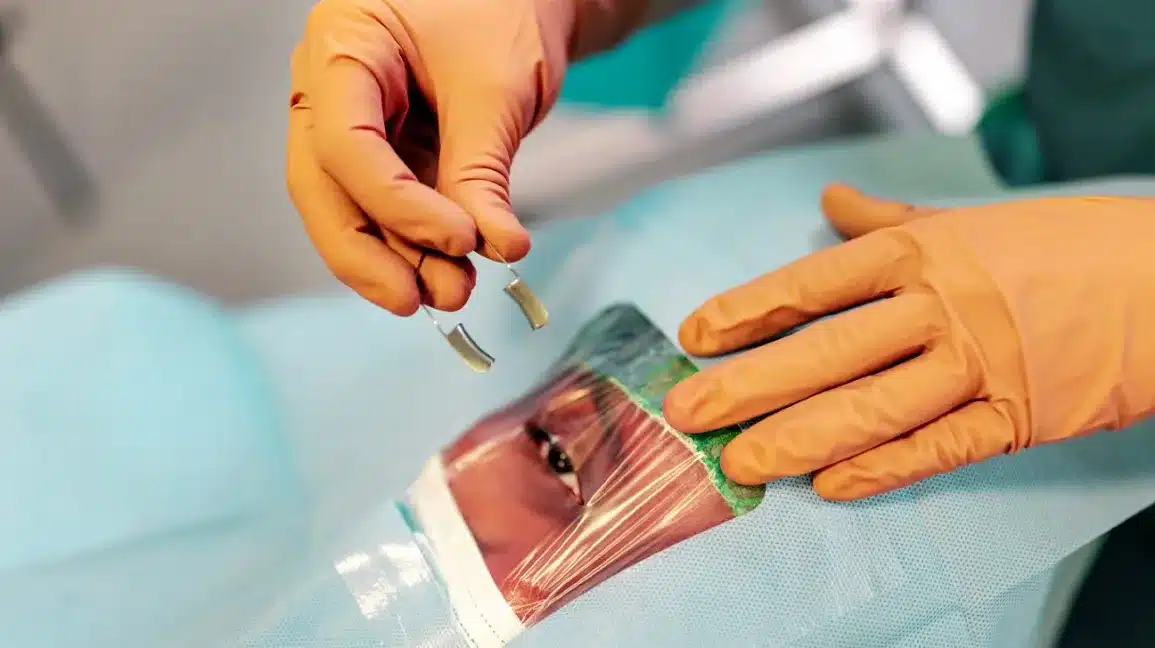
The difference between laser and LASIK
Alternatives to LASIK
If LASIK doesn’t seem like the right option for you, that doesn’t mean you’re stuck with glasses or daily contact lenses forever. You can still enjoy clear vision without undergoing laser surgery.
Orthokeratology (Ortho-K) is a safe, painless, non-surgical alternative to LASIK. It relies on custom-made rigid gas-permeable contact lenses that you wear only at night.
Ortho-K lenses gently reshape the cornea while you sleep. The effect is similar to LASIK because it changes how light is refracted in your eyes, giving you clearer vision during the day. This type of vision correction is not only comfortable and effective, it’s also reversible: if you stop wearing Ortho‑K lenses, your vision gradually returns to its original state within a few days. That is not the case with LASIK—if something goes wrong in laser eye surgery, it cannot simply be undone.
At Batal Specialized Center, we can provide the vision correction you’ve been waiting for—without taking unnecessary risks. If you’re wondering about the difference between LASIK and other laser procedures, we can give you all the information you need to make the best choice for you and your eyes. Contact us today to schedule an appointment.
Eye diseases in general are quite common and tend to recur in many people. If you are one of them, you can book an appointment with our specialists at Batal Specialized Complex to receive comprehensive medical care from some of the best ophthalmologists in Jeddah.
The Difference Between LASIK Procedures
Both LASIK and LASEK are laser refractive surgeries used to correct nearsightedness, farsightedness, and astigmatism. Both procedures use an excimer laser and work by reshaping and removing part of the corneal tissue to correct vision.
LASIK is one of the most commonly performed and successful refractive surgeries worldwide. It offers a relatively short recovery time, and most people can return to normal activities within a day or two. More than 99% of patients report satisfaction after undergoing LASIK.
However, not everyone is an ideal candidate for LASIK. In certain situations, LASEK may be preferred. LASEK is considered more invasive, but it can be a better option for some patients and is sometimes favored by surgeons who are more experienced with LASEK.
In LASIK, a corneal flap is created using a femtosecond laser. With LASEK, the outer layer of the cornea (the epithelium) is loosened and moved aside, then replaced after the laser treatment. This layer needs a few days to regenerate after surgery.
LASEK is often a good choice for patients with thin corneas who do not have enough corneal tissue to safely create a flap for standard LASIK.
Read also: Femtosecond LASIK (Femto-LASIK) vision correction surgery
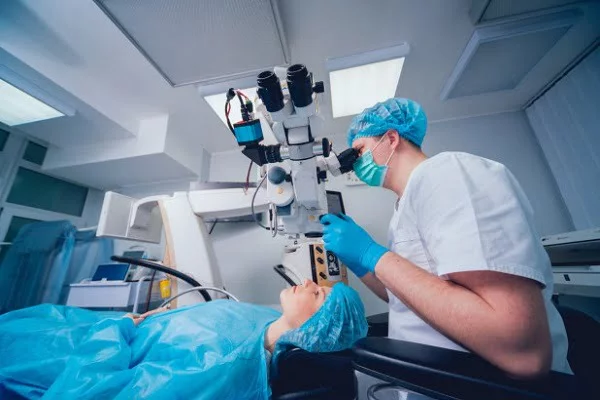
The difference between laser, LASIK, and Femto-LASIK
What Is the Difference Between Femto-LASIK and LASIK?
For many years, conventional LASIK has been considered the gold standard in laser vision correction. However, with advances in technology and surgical techniques, a more modern option is now available: Femto-LASIK.
Femto-LASIK is a revolutionary, blade-free procedure that is regarded as one of the safest and most effective treatments for people with myopia, hyperopia, or astigmatism. At Beverly Hills Medical Center Kuwait, Femto-LASIK surgery is a specialty of our experienced surgeons and staff at Batal Specialized Complex.
In both LASIK and Femto-LASIK, a flap must be created in the patient’s cornea. In traditional LASIK, this flap is created using a mechanical steel microkeratome blade.
In Femto-LASIK, however, the flap is created using an ultra-precise femtosecond laser, customized for each individual patient. The main difference between the two procedures is safety. In Femto-LASIK, the laser tracks eye movements and maps the exact shape of the cornea, allowing a fully customized treatment plan for each eye.
In addition to being significantly thinner, corneal flaps created with Femto-LASIK are more uniform than those made with a mechanical blade. Regardless of corneal thickness, Femto-LASIK opens the door for more people to free themselves from glasses and contact lenses.
Whatever symptoms of poor vision, refractive errors, or eye problems you may have, these sensitive medical conditions require thorough examination and appropriate treatment by a skilled, experienced ophthalmologist using effective medical technology that delivers real results. Whatever eye disease or issue you’re dealing with, you can book an appointment at Batal Specialized Complex for a full eye evaluation and to begin addressing your vision problems—no matter how complex they may be.