Med info
What to Expect from Eyelid Surgery (Blepharoplasty)?

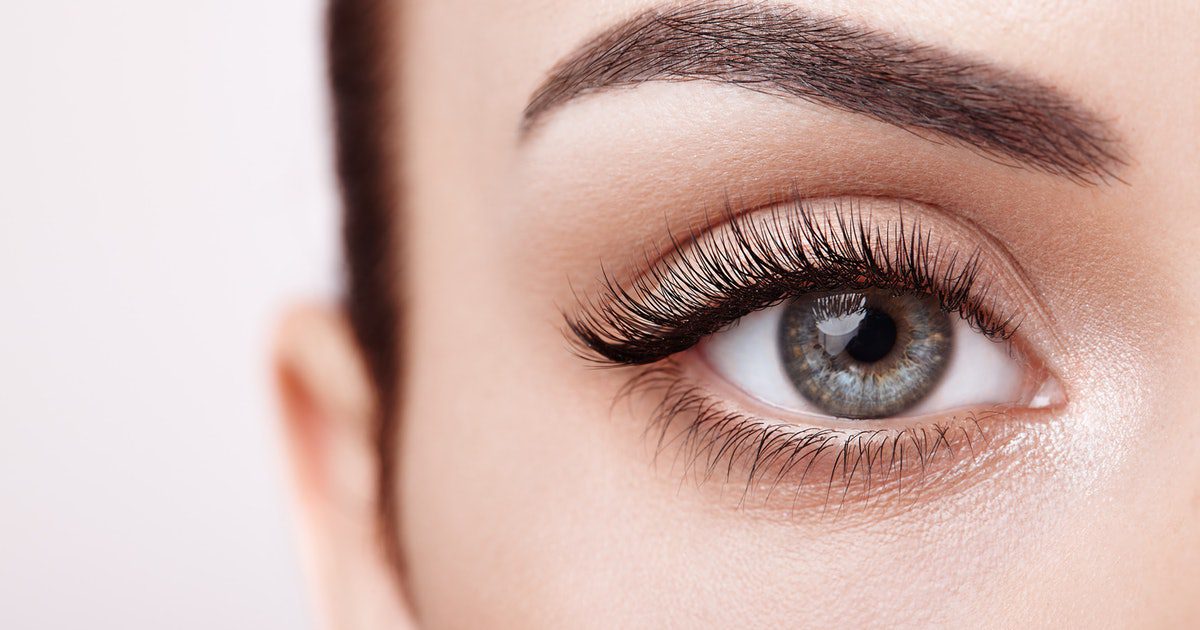
Eyelid surgery, or blepharoplasty, is a type of cosmetic surgery used to treat droopy eyelids. The surgeon removes excess skin, muscle, and sometimes fat that cause sagging around the eyes. The Eye Center at Al Batal Specialized Complex in Jeddah is considered one of the leading centers in this field thanks to the expertise and high qualifications of its medical team.
Read also: Tips to Speed Up Recovery After Eyelid Cosmetic Surgery
What Is the Goal of Eyelid Surgery?
Our bodies change over the years, including the skin of the face. We gradually lose skin elasticity, and fat can accumulate in the upper and lower eyelids. This leads to eyelid drooping, making you look older and, in some cases, reducing your field of vision.
Sometimes the condition is congenital and has been present since childhood. The good news is that anyone suffering from this problem may be a candidate for eyelid surgery.
Your surgeon will sit with you to determine whether this is the best option in your case. In some situations, a combination of different procedures is needed to achieve the best possible result.
Who Is a Good Candidate?
Blepharoplasty is mainly sought by people looking for anti‑aging treatments, since sagging skin around the eyes is a natural part of aging. Candidates may also pursue eyelid surgery if they have prominent bags under the eyes or if their eyebrows have started to droop.
For some individuals, blepharoplasty goes beyond cosmetic concerns. A person may be an excellent candidate if sagging skin is interfering with their vision. Some people complain that overhanging eyelid skin blocks their view when they look up.
To reduce the risk of complications, an ideal candidate is someone who does not smoke and does not have serious chronic illnesses that could impair healing.
Read also: What Eye Cosmetic Surgeries Can You Have Done on Your Eyes?
Preparing for Eyelid Surgery
Preparing for blepharoplasty is a detailed process. At the Eye Center in Al Batal Specialized Complex in Jeddah, you will first have a consultation with a plastic or oculoplastic surgeon to discuss your concerns and desired outcomes.
Before the procedure, the medical team will perform several assessments, including a physical examination of the eyes, measuring the eyelids, and conducting vision and tear production tests.
The doctor will also take photographs of your eyelids to guide the surgical plan and to use during and after the procedure. It is very important to inform your surgeon of all medications you are currently taking, including:
– Prescription medications
– Over‑the‑counter drugs
– Herbal supplements
– Blood thinners (such as aspirin, warfarin, or similar agents)
You will also be asked to stop smoking several weeks before eyelid surgery, as smoking impairs healing and increases the risk of complications.
After surgery, the eyelids may be swollen enough to temporarily affect your ability to perform some daily activities, so it is important to plan ahead for rest and assistance if needed.
Read also: The Difference Between Surgical Eyelid Lift and Thread Lift
The Eyelid Surgery Procedure
Blepharoplasty is usually performed on an outpatient basis. You can schedule your procedure at Al Batal Specialized Complex in Jeddah and go home a short time after surgery. General anesthesia is used only for selected patients; many procedures are done under local anesthesia with sedation.
For the upper eyelids, the surgeon makes a small incision in the natural crease of the eyelid, then removes excess skin and muscle and sometimes fat. In some cases, a portion of this fat is repositioned to other areas around the eye before the incision is closed.
Lower eyelid blepharoplasty often involves removing or repositioning fat that contributes to under‑eye bags, and sometimes removing a small amount of skin. The incision may be placed either inside the lower eyelid (transconjunctival approach) or just below the lower lash line. In some patients, the lower eyelid is tightened or anchored to the underlying bone structure for better support.
Read also: Blocked Tear Duct Surgery – Everything You Need to Know
What to Expect Before, During, and After Eyelid Surgery
Before surgery, your care team at Al Batal Specialized Complex will give you clear, personalized instructions on how to prepare—what to eat or avoid, which medications to stop or adjust, and how to organize help at home.
Any incisions your skilled surgeon makes will be carefully hidden within the natural folds and contours of the eyelid area. Before surgery, you and your surgeon will thoroughly discuss your cosmetic goals, and based on that, the surgeon will select the most appropriate technique for your blepharoplasty.
Although blepharoplasty is an outpatient procedure, it still requires anesthesia. You will need to arrange transportation home and, ideally, someone to stay with you for the first day. Your care team will provide tailored post‑operative instructions, explain how to care for your incisions, and review warning signs of complications that should prompt you to contact the clinic.
Recovery After Surgery
Recovery from eyelid surgery is relatively short compared with many other surgical procedures. Right after the operation, you will be moved to a recovery area where you will be monitored for any immediate side effects. If no complications arise, you will be discharged home the same day.
It is important to rest for a few days after blepharoplasty. Expect some swelling, bruising, and mild discomfort. Your surgeon may recommend using cold compresses or ice packs for the first 48 hours to reduce swelling. Temporary blurred vision and light sensitivity are also common short‑term side effects. If these symptoms last longer than a day or two, you should contact your doctor.
You will not be able to wear contact lenses for about two weeks after surgery, so make sure you have prescription glasses or an alternative ready. Keep the area clean and gently washed as instructed.
After a few days, you will see your surgeon for a follow‑up visit to assess healing and remove any sutures if needed.
Read also: Can Eye Drops Treat Cataracts?
Risks Associated with Eyelid Surgery (Blepharoplasty)
All surgeries carry general risks such as bleeding, bruising, infection, and blood clots. Other potential risks and complications specific to blepharoplasty can include:
– Dry eyes or excessive tearing
– Difficulty closing the eyes completely (temporary or, rarely, permanent)
– Asymmetry between the two eyelids
– Changes in eyelid position (such as eyelid retraction or ectropion)
– Visible scarring
– Double vision or temporary visual disturbances
– Very rarely, vision loss due to bleeding behind the eye (orbital hematoma)
Your surgeon will discuss these risks with you in detail before the procedure.
What Is Lower Eyelid Surgery?
Under‑eye bag surgery, also known as lower eyelid blepharoplasty, is a cosmetic procedure that corrects skin laxity, excess fat, and wrinkles in the area beneath the eyes. As you age, your skin naturally loses elasticity and the supportive fat shifts or bulges.
This can cause the lower eyelids to appear puffy, wrinkled, and saggy. Lower eyelid surgery can smooth the under‑eye area and create a more youthful, rested appearance.
Read also: Femto‑LASIK Vision Correction Procedure
Why Is Eyelid Reduction Performed?
With age, our muscles weaken and the skin loses its elasticity. In the eyelids, this leads to folds in the upper lids and deep wrinkles in the lower lids. Weakening of the tissues beneath the skin allows the protective orbital fat around the eye to bulge forward, creating the appearance of bags and sagging.
In some families, there is a genetic tendency to develop under‑eye bags early in adulthood.
Folds, wrinkles, and puffiness often look worse in the morning, especially after periods of stress or lack of sleep. When you lie down, fluid that is normally distributed evenly throughout the body tends to accumulate in areas where the skin is loose, such as the eyelids.
The aging process can also cause the upper eyelids to droop and the skin to gather in folds. In some cases, the excess skin is so significant that it hangs over the eyelashes.
What Are the Alternatives to Eyelid Surgery?
Sometimes, a sagging forehead or drooping eyebrows can make the eyelids look more hooded or droopy than they actually are. In these cases, your surgeon may recommend a brow lift instead of—or in addition to—eyelid reduction.
Only the wrinkles in the skin that is actually removed will be directly improved by surgery. Skin folds that extend onto the cheek typically will not improve with blepharoplasty alone. If you have wrinkles and sagging skin elsewhere on your face and neck, a facelift, neck lift, or both may be beneficial at the same time as eyelid reduction.
A facelift can not only elevate the brow and upper eyelid area, but also lift and open the outer corner of the eye.
Although eyelid reduction is the most effective way to treat significant eyelid sagging, laser resurfacing can sometimes be used to precisely remove the outer layers of the skin. This is called laser resurfacing and can be performed at the same time as blepharoplasty to improve remaining fine wrinkles.
After laser resurfacing, the skin generally becomes smoother and less wrinkled. However, the improvement is not permanent, and the procedure does not work as well on darker skin tones. It has no effect on dark circles caused by pigmentation under the eyes.
Read also: Eye Care After Laser Vision Correction – Best Practices
Complications Related to Eyelid Cosmetic Surgery
Read also: Key Advantages of Femto‑LASIK Vision Correction at Al Batal Complex in Jeddah
It is essential to discuss all these potential risks and complications with the Eye Center team at Al Batal Specialized Complex in Jeddah and to schedule a consultation so any issues can be identified and managed as early as possible.
Read also: LASIK for Astigmatism – Facts, Treatment, and Benefits
Frequently Asked Questions
Can Eyelid Surgery Make Me Look Younger?
Eyelid surgery is highly effective at eliminating a tired‐looking appearance. By tightening the eyelids and removing bulging fat, the procedure reduces puffiness and eyelid wrinkles. Many women find that, when combined with makeup, they are able to achieve more attractive, defined eyes after blepharoplasty.
Can Eyelid Surgery Improve My Appearance?
Yes. Blepharoplasty can significantly improve the appearance of both the upper and lower eyelids, helping you look younger, more refreshed, and more alert.
Can Blepharoplasty Get Rid of Eye Wrinkles?
Blepharoplasty can effectively address many wrinkles around the eyes as part of an anti‑aging treatment plan, especially when excess skin is removed and the tissues are tightened. Fine lines that extend beyond the treated area, however, may require additional treatments such as laser resurfacing or injectable therapies.
Can Eyelid Surgery Eliminate Dark Circles Under the Eyes?
Lower eyelid blepharoplasty can help reduce dark circles if they are primarily caused by bulging fat pads casting shadows under the eyes. However, dark circles caused by increased pigmentation or very thin skin are not typically improved by eyelid surgery alone and may need other treatments such as topical lightening agents, chemical peels, fillers, or laser therapy.

Whatever visual symptoms, refractive errors, or eye problems you may be experiencing, they require careful evaluation and the right treatment from a skilled ophthalmologist using effective, modern medical tools to achieve the best results. Whatever eye condition you are dealing with, you can book an appointment at Al Batal Specialized Complex for a thorough eye examination and to begin addressing your eye problems—no matter how complex they may be.