Med info
What Is the Detailed Treatment for Weak Vision?

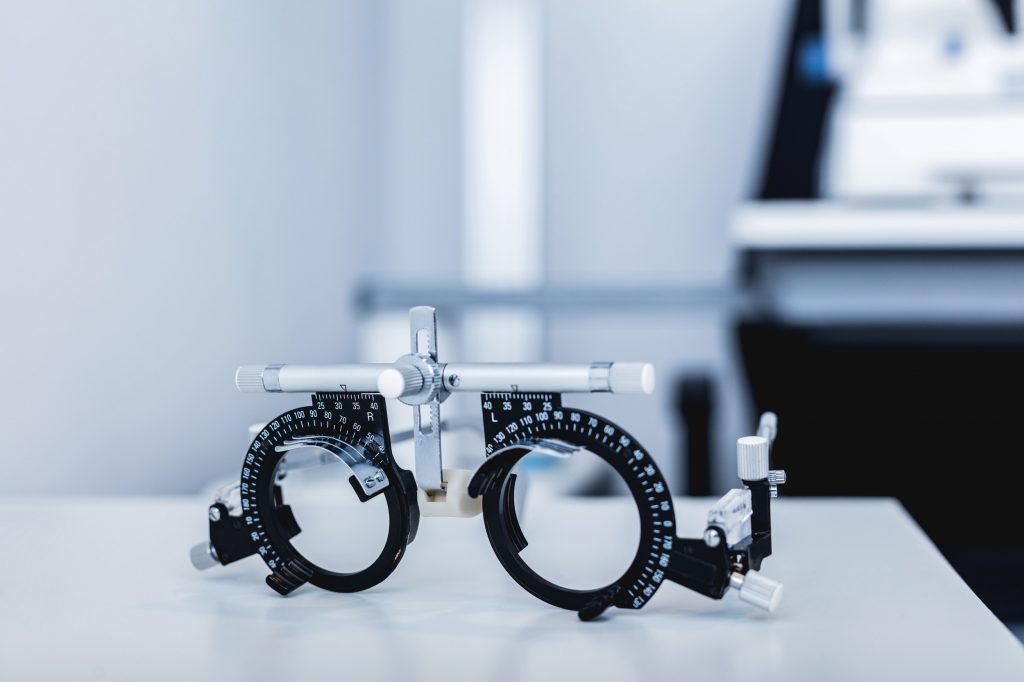
Before discussing the detailed treatment for weak vision, it is important to understand that low vision is diagnosed when eyesight cannot be fully corrected with eyeglasses, contact lenses, or eye surgery to a level that allows you to carry out everyday activities. It is often associated with blurred vision, blind spots, or tunnel vision, and is sometimes referred to as legal blindness.
Low vision significantly affects the quality of life of people who suffer from it. Many individuals with weak vision complain of difficulty with:
Weak vision may prevent you from driving, watching television, reading, using a computer, or taking part in your favorite hobbies. It usually affects older adults, as it is most commonly caused by eye diseases that are more prevalent in the elderly. So, what is the proper treatment for weak vision?
Read also: Corneal Transplant Surgery – Everything You Need to Know About This Procedure
Symptoms of Weak Vision
Low vision can cause the following symptoms:
Read also: Symptoms of Keratitis | Causes, Diagnosis, and Treatment
What Causes Weak Vision?
While low vision can be hereditary or the result of an eye injury, the most common cause is eye disease. Any low vision that cannot be corrected with eyeglasses or contact lenses should be evaluated by an ophthalmologist to rule out underlying eye disease.
These are the most common eye diseases that lead to low vision:
Increased light sensitivity and loss of color contrast can also result from these eye conditions.
How Is Weak Vision Diagnosed?
Weak vision is diagnosed through a comprehensive dilated eye exam. Your ophthalmologist will test your near, distance, central, and peripheral vision. They will also dilate your pupils to get a clearer view of the internal structures of your eyes.
A thorough evaluation of your eye health helps detect any signs of conditions that could lead to low vision. If your weak vision is making daily activities difficult, contact the ophthalmology team at Batal Specialized Complex, where an eye specialist can discuss the different management and treatment options with you.
Read also: Implantable Contact Lens (ICL) Surgery | Procedure, Care, Risks, and Cost
Types of Weak Vision
The most common types of low vision include:
Read also: Eyelid Lesions – Types, Symptoms, and Treatment Options
What Is the Proper Treatment for Weak Vision?
Some vision disorders, such as diabetic retinopathy, can be treated to restore or preserve vision. When this is not possible, the resulting low vision is considered permanent. However, many people with low vision benefit significantly from visual aids. Common low vision aids include:
Some patients with retinitis pigmentosa who have no useful vision may be candidates for the Argus® II retinal prosthesis. This device can partially restore vision in patients who have lost their sight.
In certain patients, the vision restored by this system allows them to move independently through doorways and along sidewalks, distinguish light from dark-colored clothing, and in some cases even read large print letters.
Non-visual (non-optical) aids designed for people with low vision can also be extremely helpful. Common non-optical devices include:
Read also: Eyelid Lift Surgery (Blepharoplasty) | A Complete Guide from Batal Specialized Complex
Regardless of the type of eye defect or problem, this delicate medical condition requires careful examination and appropriate treatment by a skilled and experienced ophthalmologist, using effective medical tools that provide real benefit. Whatever eye disease you are dealing with, you can book an appointment at Batal Specialized Complex to undergo the necessary evaluation and begin treating your eye problems, whatever they may be.