
Med info
What Is Intraoperative Floppy Iris Syndrome (IFIS)?

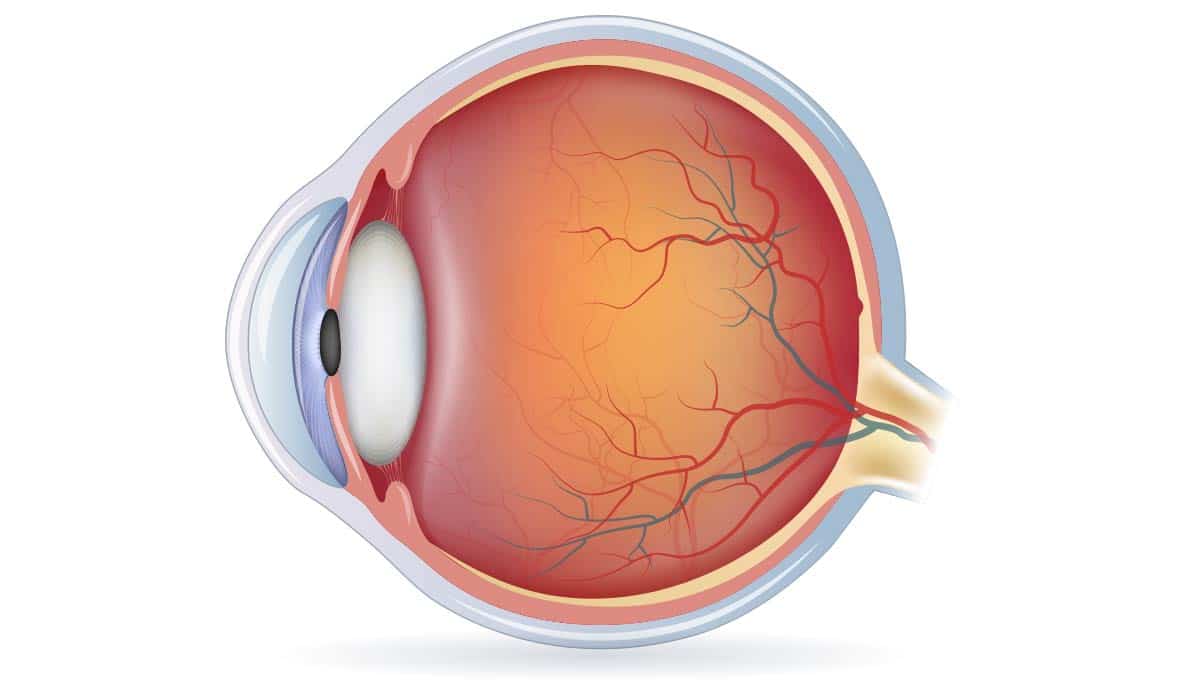
Intraoperative Floppy Iris Syndrome (IFIS) describes an abnormally weak iris (the colored part of the eye) and a smaller-than-normal pupil (the black center of the eye) during cataract surgery. This weakening occurs in some people who use certain medications, including commonly prescribed drugs for benign prostatic hyperplasia (BPH), or enlarged prostate.
IFIS is not very common, but it can lead to complications, some of which may affect your vision after surgery. A well‑dilated pupil, usually achieved with special eye drops, helps the ophthalmologist perform cataract surgery more safely and efficiently.
Floppy iris syndrome has the opposite effect: it causes the pupil to constrict (become smaller) and makes the iris unstable. This article explains the causes, symptoms, diagnosis, and management of intraoperative floppy iris syndrome.
See also: Eye Cyst Surgery | Benefits, Risks, and Recovery Time
Causes of Intraoperative Floppy Iris Syndrome
The main cause of IFIS is the use of certain medications. The most commonly reported drug associated with IFIS is Flomax (tamsulosin), which is prescribed to treat benign prostatic hyperplasia (BPH), or enlarged prostate.
Drugs like Flomax relax the smooth muscles of the prostate and improve bladder emptying when urinating. However, they can also relax the iris muscles, which may trigger floppy iris syndrome. BPH becomes more common with age, as does the need for cataract surgery, so the two conditions often overlap.
Other medications that may be associated with IFIS include:
Other drug classes have also been linked to intraoperative floppy iris syndrome, although tamsulosin remains the most frequently reported. Medication groups associated with IFIS include:
See also: Femto‑SMILE | Treatment Options for Refractive Errors | Advanced Laser Techniques
Symptoms of Floppy Iris Syndrome
IFIS symptoms appear during cataract surgery itself. In eyes with IFIS, the pupil does not stay widely dilated or does not remain dilated as long as expected. This can lead to:
These features make cataract surgery technically more challenging and may increase the risk of intraoperative and postoperative complications.
See also: Electroretinography and Visual Evoked Potentials
Risk Factors for IFIS
Risk factors for intraoperative floppy iris syndrome include:
– Use of alpha‑1 adrenergic antagonists, such as Flomax (tamsulosin)
– Use of other medications that have been associated with IFIS, such as certain angiotensin receptor blockers and other antihypertensive or urologic drugs
– Hypertension (high blood pressure). Researchers still debate whether high blood pressure itself is a true risk factor, or whether some blood pressure medications increase the risk.
– Having a small pharmacologically dilated pupil. A maximum dilated pupil size of 6.5 mm or less, combined with tamsulosin use, is linked to a higher incidence of IFIS.
See also: Corneal Inflammation Symptoms and Other Corneal Infections
Diagnosis of Floppy Iris Syndrome
IFIS is diagnosed when its characteristic signs are observed during cataract surgery. Since the first formal description of IFIS in 2005, cataract surgeons have become more aware of the syndrome and of the medications that can cause it. Ophthalmologists now routinely review patients’ drug histories and plan surgery accordingly to lower the risk of IFIS.
See also: Does Poor Vision Cause Headaches? | Precise Answers
Preoperative Assessment and Preventive Measures
To reduce the risk of intraoperative floppy iris syndrome and other complications, optometrists and ophthalmologists ask patients scheduled for cataract surgery to provide a complete list of all medications they are taking.
They will discuss medication management, when necessary, with the prescribing healthcare providers—this may include primary care physicians or urologists, for example—if a drug is known to increase IFIS risk.
Guidelines published in 2014 by the American Academy of Ophthalmology and the American Society of Cataract and Refractive Surgery suggest that patients with visually significant cataracts may want to consider cataract surgery before starting alpha‑1 blockers such as tamsulosin.
They also note that patients who have both cataracts and BPH may wish to consider non‑selective alpha‑1 blockers as an initial treatment option. If a patient is already taking a drug like tamsulosin, the ophthalmologist may recommend stopping it for four to seven days prior to cataract surgery.
This may prevent some, but not all, cases of intraoperative floppy iris syndrome. In addition, some surgeons may use preoperative medications in higher‑risk patients to help stabilize the iris and maintain dilation.
These medications may include:
See also: Macular Hole | Causes, Diagnosis, and Treatment
Intraoperative Preventive Strategies
If cataract surgery must be performed in a person at higher risk for IFIS, there are several intraoperative strategies that optometrists and ophthalmologists can use:
See also: Eyelid Dermatitis | What You Need to Know About Eyelid Skin Inflammation
Treatment of Floppy Iris Syndrome During Surgery
If intraoperative floppy iris syndrome develops during cataract surgery, the surgeon will take specific steps to minimize further problems. These may include:
To help prevent iris prolapse, the surgeon may:
– Release fluid from behind the iris during surgery
– Use a more viscous ophthalmic viscoelastic device (OVD) in front of the iris
– Inject pharmacologic agents into the anterior chamber to help maintain or restore pupil dilation
See also: What Is Vitreous Hemorrhage?
What Complications Can Occur With Floppy Iris Syndrome?
Intraoperative floppy iris syndrome can lead to several complications. Some can be managed during cataract surgery itself, while others may require long‑term follow‑up and treatment. This is why ophthalmologists routinely ask about medication use before surgery to help lower the risk of IFIS.
Complications associated with IFIS may include:
See also: Proliferative Sickle Cell Retinopathy | What You Should Know

Whatever visual symptoms, refractive errors, or eye problems you are experiencing, eye diseases require careful evaluation and appropriate treatment by a skilled, experienced ophthalmologist using effective medical technologies that deliver real benefits. Whatever eye condition you have, you can book an appointment at Batal Specialized Center for a thorough eye examination and to begin addressing your eye problems, no matter how complex they may be.
See also: Corneal Inflammation Symptoms | Causes, Diagnosis, and Treatment