
Med info
What Happens During a Contact Lens Fitting?

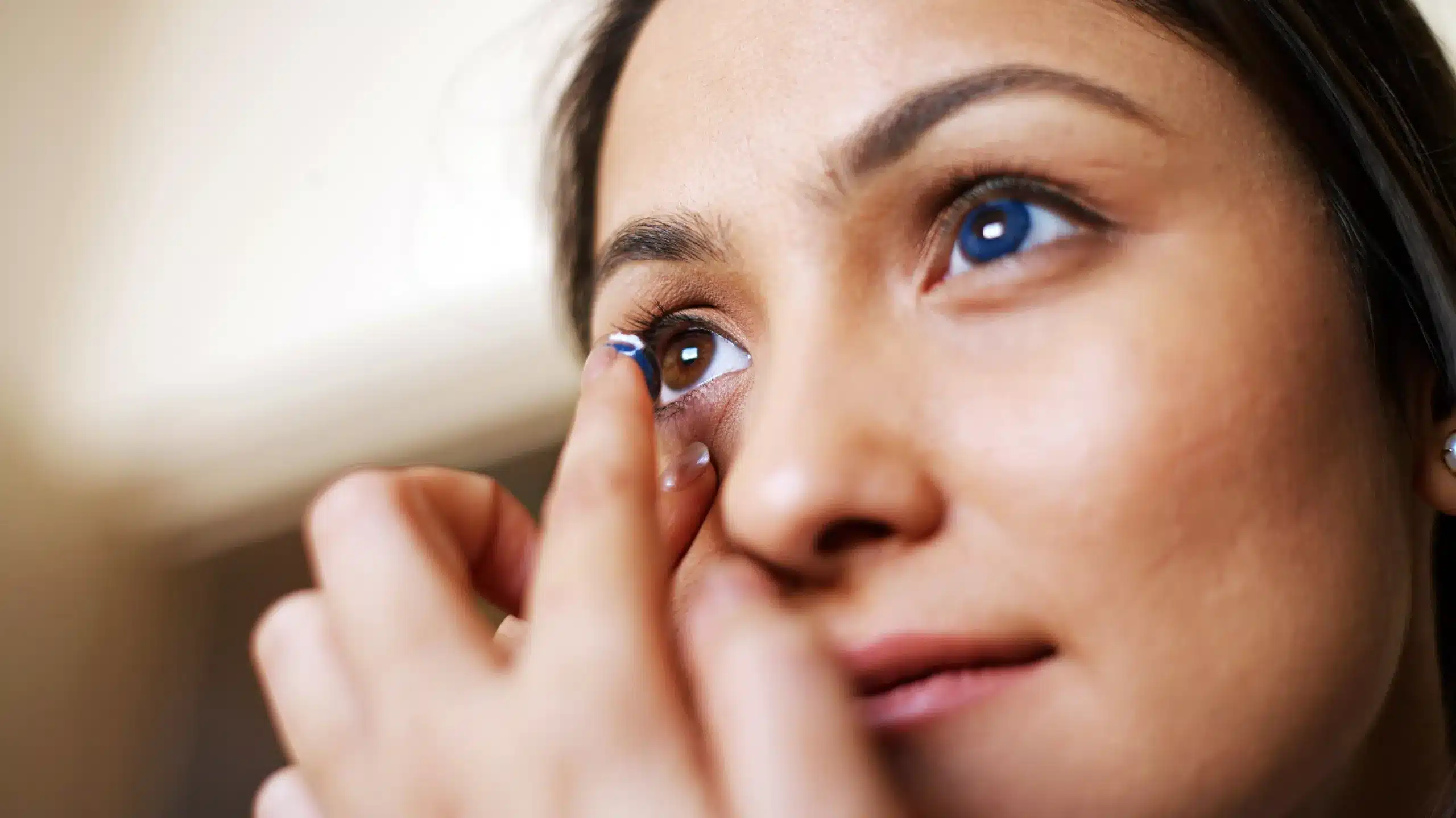
Many factors go into choosing the best contact lenses for you before you actually get fitted. That’s why, when you’re ready to start wearing contacts, you’ll need a proper contact lens fitting. Well-fitted lenses can go a long way toward giving you clear vision and keeping your eyes healthy.
A contact lens fitting helps your eye doctor gather all the information needed to prescribe the most suitable lenses. This includes measuring the cornea, evaluating the tear film, and matching the lens type to your lifestyle. As with a comprehensive eye exam, accurate measurements can also reveal any eye conditions you should be aware of.
Read also: Common FAQs About LASIK Surgery
The Benefits of Proper Contact Lens Fitting
Contact lenses are an effective way to correct different refractive errors while maintaining flexibility and freedom. Different types of contact lenses can be especially helpful in certain eye conditions, such as lenses designed for astigmatism or to help with dry eye. Contact lenses come in several main categories, including:
Soft Contact Lenses
Soft contact lenses are made from plastic polymers that create a flexible material designed to feel comfortable on the eye. Most contact lens wearers use soft lenses because they offer a combination of comfort and clear vision. However, they are less durable than rigid lenses and can dry out in hot or windy environments, which may lead to eye irritation.
Soft contact lenses can be prescribed for daily wear or extended wear, depending on your lifestyle. Many are also disposable. Single-use and disposable lenses are available in daily, bi‑weekly, or monthly replacement schedules.
Read also: Causes and Risk Factors of Irregular Astigmatism
Rigid Gas Permeable (RGP) Lenses
RGP lenses are firmer than soft lenses but more flexible than old-style hard lenses, placing them in the middle of the spectrum of contact lens types. They are relatively rigid lenses that allow oxygen to pass through to the eye. In general, they are known for providing sharper vision than soft contact lenses, but it can take longer to get used to how they feel on the eye.
RGP lenses can be designed for extended wear; however, many eye care professionals advise against sleeping in contact lenses of any type.
Read also: Causes and Risk Factors of Irregular Astigmatism
Hard (Gas-Permeable) Contact Lenses
Hard contact lenses are made from gas-permeable materials that allow oxygen to reach the cornea, reducing complications associated with corneal oxygen deprivation. These lenses are very effective in correcting refractive errors such as astigmatism.
Read also: Everything You Want to Know About Night Blindness
Hybrid Contact Lenses
Hybrid lenses combine the crisp vision of RGP lenses with the comfort of soft lenses in a single design. They can be especially beneficial for many people, particularly those with irregular corneal astigmatism. These lenses come in many designs, including multifocal options.
The ideal contact lens for you depends on your eye health needs and your lifestyle. Your eye doctor will work closely with you to determine which lens type best suits your specific situation.
Read also: Ocular Herpes — Everything You Need to Know
What to Expect During a Contact Lens Fitting
After a comprehensive eye exam, a contact lens fitting usually begins with your eye doctor measuring the curvature of your cornea. This is done with an instrument called a keratometer, which shines light into your eye and measures how it reflects.
You’ll rest your chin on a support and face the device, which keeps your head steady while the keratometer directs light through the cornea. As the light passes through the eye, the instrument detects any irregularities in the reflection. Your eye doctor uses this information to determine the appropriate contact lens size and curvature.
Sometimes, your doctor may need more detailed information and choose to map the entire corneal surface using corneal topography. Corneal topography creates a detailed map of the front surface of your eye, highlighting any elevations and curvatures that could affect your vision. The device works similarly to a keratometer by reflecting light off the cornea, but provides a far more detailed image.
Because contact lenses perform best when the eye is adequately lubricated, your eye doctor will also assess your ability to produce healthy tears. This is done with a simple tear film evaluation, where a small strip of paper is placed under the lower eyelid to see how well your tears soak it. If you have a history of dry eye, your doctor may prescribe specific soft lenses designed to retain moisture more effectively.
Read also: What Is Bacterial Conjunctivitis and How Is It Treated?
After the measurements, you’ll typically go through a trial period with test lenses. Your doctor will place trial lenses on your eyes and examine them at the slit lamp (biomicroscope) to ensure the lenses center properly and do not move excessively or slip when you move your eyes.
You’ll usually be given a supply of these trial lenses to wear at home for about a week before deciding whether they’re right for you.

Whatever your eye condition or visual complaint may be, this highly precise medical process requires a thorough examination and the right treatment provided by a skilled, experienced ophthalmologist using effective, modern diagnostic and therapeutic tools for the best possible outcome. If you have any eye disease or vision problem, you can book an appointment at Batal Specialized Center for a full evaluation and to begin addressing your eye issues, no matter how complex they are.
Read also: The MicroPulse Laser – A Smaller Laser System for Treating Eye Deviation and Strabismus