
Med info
What Do You Know About Laser Eye Surgery?

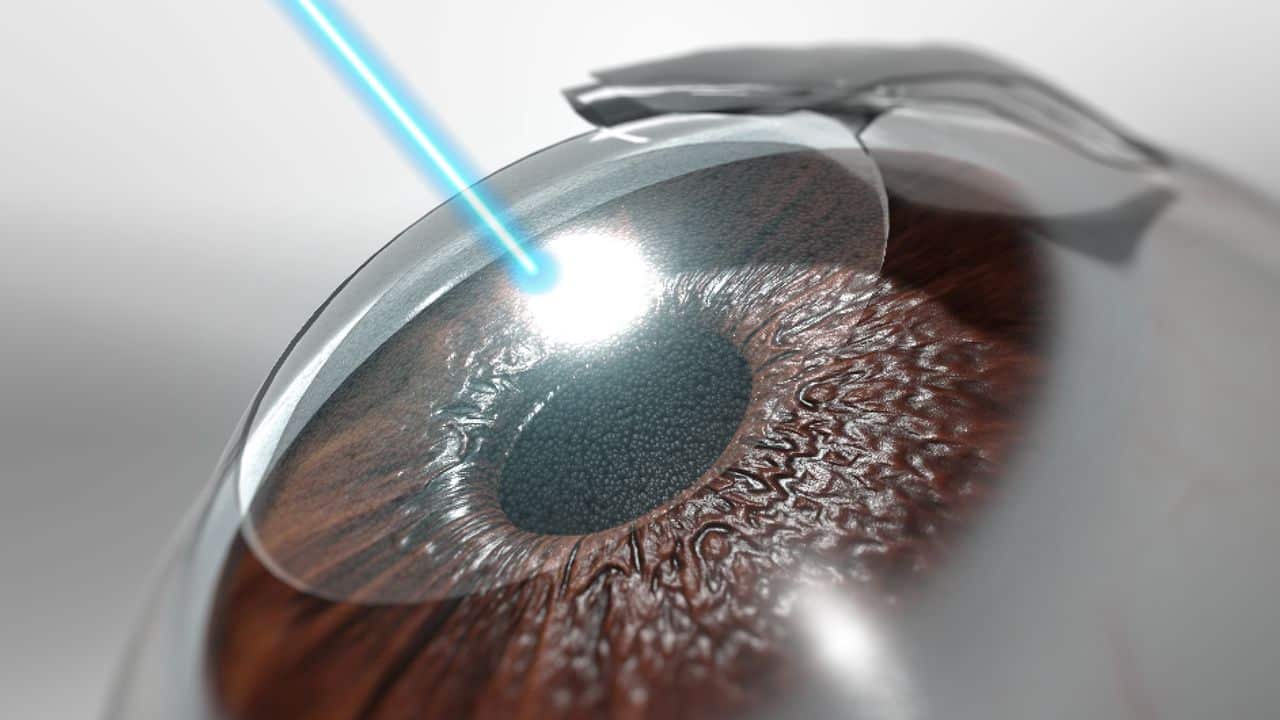
The eye has an outer layer called the cornea, which can change shape and cause vision problems such as astigmatism and nearsightedness. Laser eye surgery is a medical procedure that reshapes this layer.
Laser eye surgery, often referred to by many as LASIK, can correct several refractive errors. However, there are potential side effects, not everyone is a suitable candidate, and the procedure can also be expensive depending on where a person lives.
The Eye Center at Batal Specialized Complex in Saudi Arabia is considered one of the best centers for treating all eye diseases and vision problems, with highly skilled and experienced ophthalmologists.
Also read: LASIK Surgery Price 2022 in Detail
What Is Laser Eye Surgery (LASIK or PRK)?
Hyperopia (Farsightedness)
People with hyperopia can see distant objects clearly, but nearby objects may appear blurry. This happens because the curvature of the cornea is too flat. Laser eye surgery can correct this by reshaping the cornea to create a steeper curve.
Myopia (Nearsightedness)
In myopia, a person can see nearby objects clearly, while distant objects appear blurry. This is due to the cornea being too steeply curved. An ophthalmologist can correct this with laser eye surgery by reshaping the cornea.
Astigmatism
Individuals with astigmatism have an irregularly shaped eye. A normal eye is more or less round, while in astigmatism the eye may be shaped more like a football. In some cases, this irregular curvature of the cornea can be corrected using laser eye surgery.
Also read: Everything You Need to Know About Hyfresh Eye Drops
Who Is Not a Good Candidate for Laser Eye Surgery?
People who are not suitable candidates for laser eye surgery include:
Also read: 6 Common Questions About LASIK Surgery
Benefits of Laser Eye Surgery
The main benefit of laser eye surgery is that most people no longer need to wear corrective glasses to see clearly. Individuals may choose to undergo this procedure for several reasons, including:
Also read: Dry Eye Syndrome | Detailed Information About One of the Most Common Eye Conditions
Risks and Complications
Certain complications can occur in the following situations:
As with any surgery, a person may experience complications, including:
Most symptoms should improve within the first few days. Anyone who continues to experience symptoms should consult the Eye Center at Batal Specialized Complex in Saudi Arabia for prompt evaluation and treatment.
Also read: Do You Need Refractive Eye Surgery?
What to Expect During the Procedure
Laser eye surgery usually takes less than 30 minutes. People undergoing laser eye surgery can expect the following:
Also read: Early Signs of Cataracts and Everything You Need to Know
Results of Laser Eye Surgery
It may take up to 6 months for a person’s vision to fully stabilize after laser eye surgery. They may notice fluctuations in their vision for a period of time following the procedure, but this is usually not a cause for concern. It is common for vision to vary during the first few months after surgery.
Also read: Causes of Double Vision and What Can Be Done
Cost and Price of Laser Eye Surgery
The cost of LASIK varies depending on where a person lives. Some surgeons may also use more advanced or expensive technologies. Health insurance companies usually consider LASIK an elective or cosmetic procedure and typically do not cover it.
Although laser eye surgery can be costly, it is crucial for people to research carefully before choosing discounted treatments. There is often a reason for very low prices, which may increase the risk of complications. For this reason, we recommend visiting the Eye Center at Batal Specialized Complex in Saudi Arabia, known for its experienced medical staff, advanced technology, and reasonable prices.
Also read: Are You a Good Candidate for Laser Eye Surgery?

Laser eye surgery can be very beneficial for some people in treating their refractive errors. While the improvements may last for many years, they are not necessarily permanent. It is a quick procedure, but also an expensive one. It is important to remember that this surgery does not usually correct presbyopia (age‑related farsightedness) or eliminate the need for reading glasses as people get older.
Also read: Top Reasons to Consider LASIK Beyond Just Clear Vision