
Med info
What Causes a Broken Blood Vessel in the Eye?

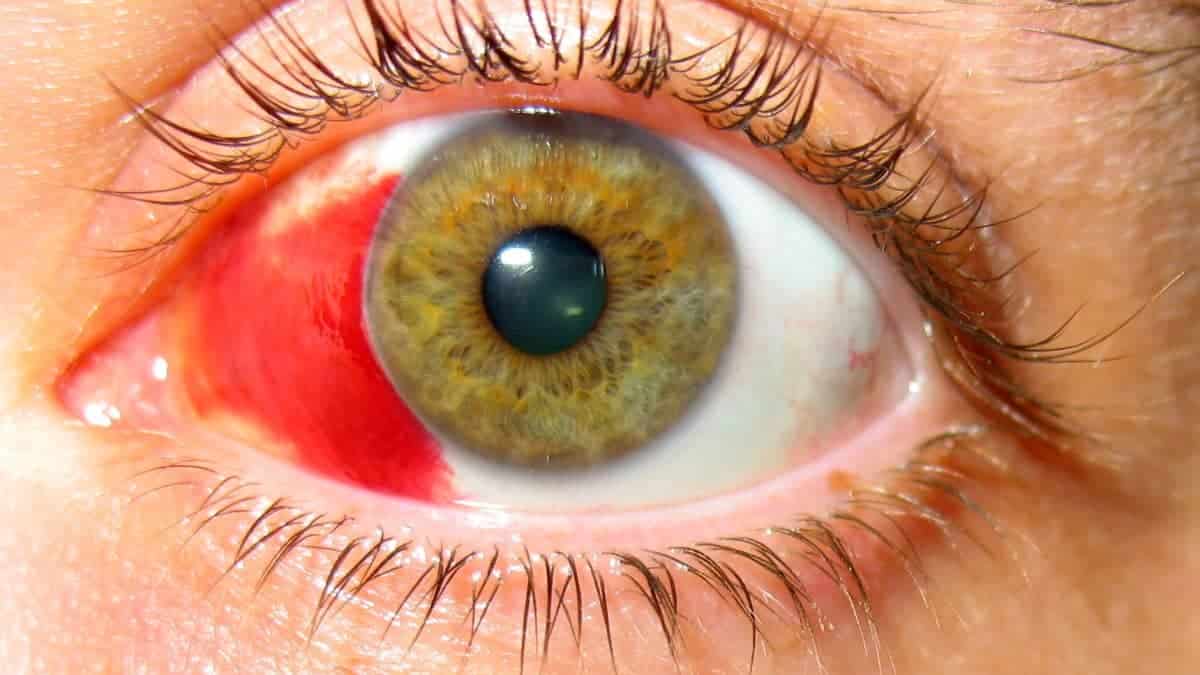
Those bright red spots in your eye can look alarming, but there’s usually no need to panic. You may have a subconjunctival hemorrhage, commonly called a broken blood vessel in the eye.
Fortunately, broken blood vessels in the eye are usually nothing to worry about. Understanding what causes eye blood vessels to break, pop, or burst can help you reduce the chances of it happening again.
Read also: When Can You Rub Your Eyes After LASIK?
What Is a Subconjunctival Hemorrhage?
A subconjunctival hemorrhage refers to a broken blood vessel in the eye that causes bright red patches on the sclera (the white part of your eye). Although it may look frightening, a subconjunctival hemorrhage is typically harmless.
The conjunctiva is the clear membrane that covers the surface of your eye and contains many tiny blood vessels. When blood gets trapped underneath this membrane, it is called a subconjunctival hemorrhage. Even though there is visible blood, it generally does not affect your vision.
Read also: Dry Eye Syndrome | Detailed Information on One of the Most Common Eye Conditions
Causes of a Broken Blood Vessel in the Eye
Blood vessels in your eye can rupture or “burst” for many different reasons. Common causes include:
Read also: Facts About Retinal Detachment and Complete Information About the Condition
Symptoms of a Broken Blood Vessel in the Eye
The main sign of a subconjunctival hemorrhage is a visible bright red or dark red patch on the sclera. You may notice mild irritation or a slight scratchy feeling in the affected eye, but usually nothing more than that. If you experience pain or any changes in your vision, contact your eye doctor.
Read also: Differences Between a Child’s Eye Exam and a Vision Screening
Healing a Broken Blood Vessel in the Eye
A broken blood vessel in the eye usually clears up on its own within about one to two weeks. You can use lubricating eye drops (artificial tears) to soothe any mild irritation or itchiness during this time.
Being gentle with your eyes can help prevent broken blood vessels. Try to avoid rubbing your eyes whenever possible. However, you may not always be able to prevent a subconjunctival hemorrhage, especially when it’s triggered by coughing, sneezing, or vomiting.
Read also: 5 Things You Should Know About the PanOptix Trifocal Lens
Recurrent Subconjunctival Hemorrhages
If you experience subconjunctival hemorrhages repeatedly, it may be a sign of an underlying condition or problem. For example, some people develop recurrent subconjunctival hemorrhages from inserting contact lenses incorrectly.
Touching your eye can be uncomfortable, so some people use tools to help insert and remove their lenses. It can be difficult to control how much pressure you apply with these tools, which may lead to repeated subconjunctival hemorrhages.
For this reason, it’s very important to follow your eye doctor’s instructions when using contact lenses. Do not use tweezers or any insertion/removal tools unless your eye care professional has specifically recommended and trained you to use them.
Read also: Information on Protecting Your Eyes From UV Radiation
Vascular Diseases

Recurrent subconjunctival hemorrhages (SCH) can sometimes be a sign of vascular disease. Vascular diseases weaken blood vessels throughout the body, making them more likely to rupture. Examples include uncontrolled high blood pressure (hypertension), atherosclerosis (hardening of the arteries), and diabetes.
If you are dealing with a broken blood vessel in the eye or any other eye condition, scheduling an appointment at Batal Specialty Complex is an excellent option for a comprehensive eye exam and early management before problems progress to more serious stages.