
Med info
What Can Surgical Eye Care Do for You?

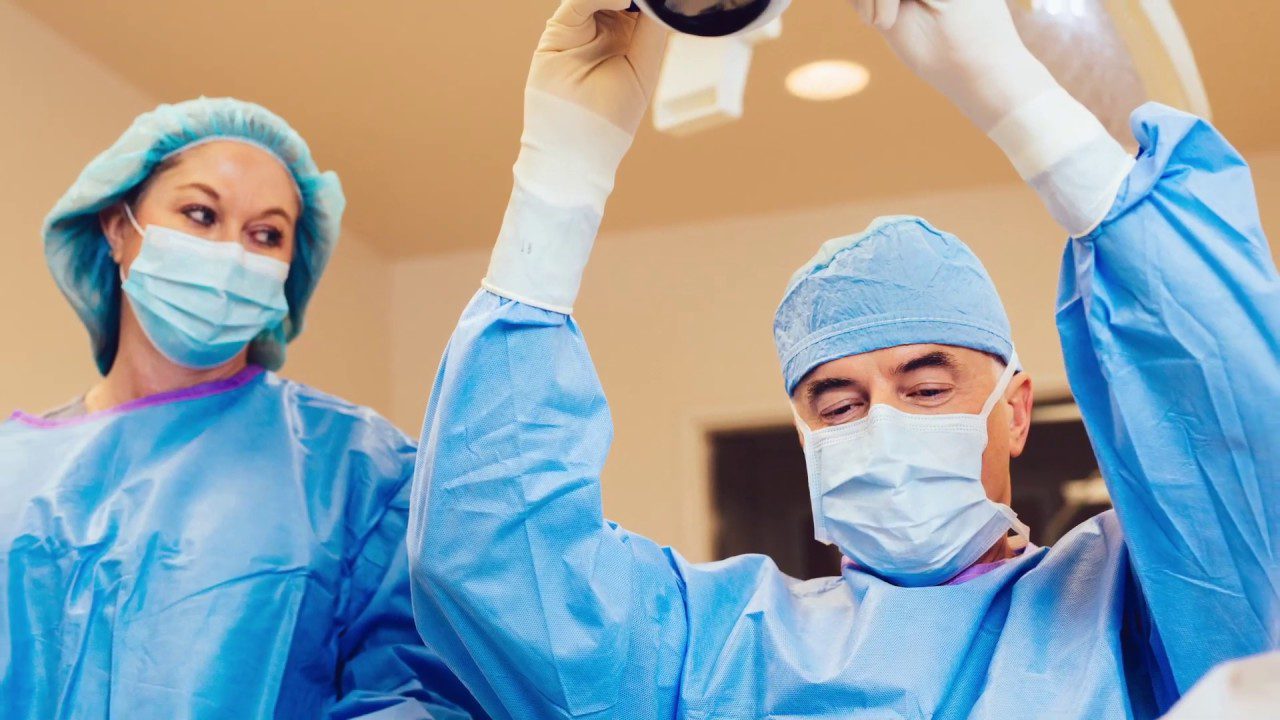
Surgical eye care is a constantly evolving medical field with tremendous potential to restore lost vision, improve eye health, and enhance patients’ quality of life. When people think of laser eye surgery, they often immediately think of procedures like LASIK (laser-assisted in situ keratomileusis), commonly referred to as laser eye surgery or laser vision correction, which can help correct refractive errors such as myopia (nearsightedness).
However, thanks to ongoing medical breakthroughs, laser eye surgery at the Eye Center in the Batal Specialty Complex now offers powerful options to safely and effectively treat more serious vision problems, including cataracts and glaucoma.
Read also: Glaucoma Prevention: What Everyone Should Know
Surgical Eye Care for Cataracts
The human eye contains a natural lens that helps us see by bending (refracting) light as it enters the eye and focusing it onto the retina. Cataracts cause this natural lens to become cloudy, scattering light instead of focusing it properly.
Early signs of cataracts include blurred or hazy vision, faded colors, double vision, and increased sensitivity to light. Anyone can develop cataracts, but older adults, people with a family history of cataracts, those with diabetes, or individuals with previous eye injuries are at higher risk.
Mild cataracts can sometimes be managed with prescription glasses, but more advanced cases require surgery. In cataract surgery, the eye’s cloudy natural lens is removed and replaced with an artificial intraocular lens (IOL). Traditionally, this procedure involves making a small incision in the cornea with a surgical blade, then inserting a tiny probe that breaks up the natural lens using ultrasound (phacoemulsification). The fragments are then removed, and the IOL is inserted. The incision is very small and usually does not require stitches. The procedure is performed on an outpatient basis, typically takes about twenty minutes, and recovery is usually very fast.
Laser-assisted cataract surgery achieves the same visual outcome with similar recovery times. Instead of manually creating the incision and inserting the probe first, the surgeon creates a three-dimensional map of the eye using optical coherence tomography (OCT). A femtosecond laser is then used to pre-fragment the cataract, allowing the surgeon to remove the natural lens and insert the IOL with minimal disruption to the surrounding tissues.
Some studies now suggest that laser-assisted cataract surgery may be safer than conventional manual surgery, with a lower risk of procedure-related damage to the eye. Laser surgery also typically requires less ultrasound energy, which can reduce certain unwanted side effects such as delayed healing and temporary corneal haze. In addition, the laser allows for more precise, standardized incisions and lens positioning, which may reduce the risk of the IOL shifting over time and the need for repositioning.
Read also: Differences Between Pediatric Eye Exams and Vision Screenings
Improving Eye Health in Glaucoma Patients with Laser Surgery
Glaucoma is a progressive disease in which fluid builds up in the front part of the eye, increasing intraocular pressure and causing irreversible damage to the optic nerve. It is the second leading cause of permanent blindness worldwide.
There are two main types of glaucoma: primary open-angle glaucoma (POAG) and angle-closure glaucoma (ACG). In open-angle glaucoma, which is the most common form, the eye’s drainage system does not function properly, so fluid does not drain as it should. Over time, this leads to a gradual increase in intraocular pressure.
Angle-closure glaucoma occurs when the iris is positioned unusually close to the eye’s drainage angle, which can block fluid outflow entirely. This may trigger a sudden and severe rise in intraocular pressure, resulting in an acute angle-closure attack—a true medical emergency.

Read also: Early Signs of Cataracts and Everything You Need to Know
Contact the Eye Center at Batal Specialty Complex, a leader in eye health, to receive appropriate medical care and a thorough evaluation of each eye’s condition.