
Med info
Types of Dental Implants and Their Prices

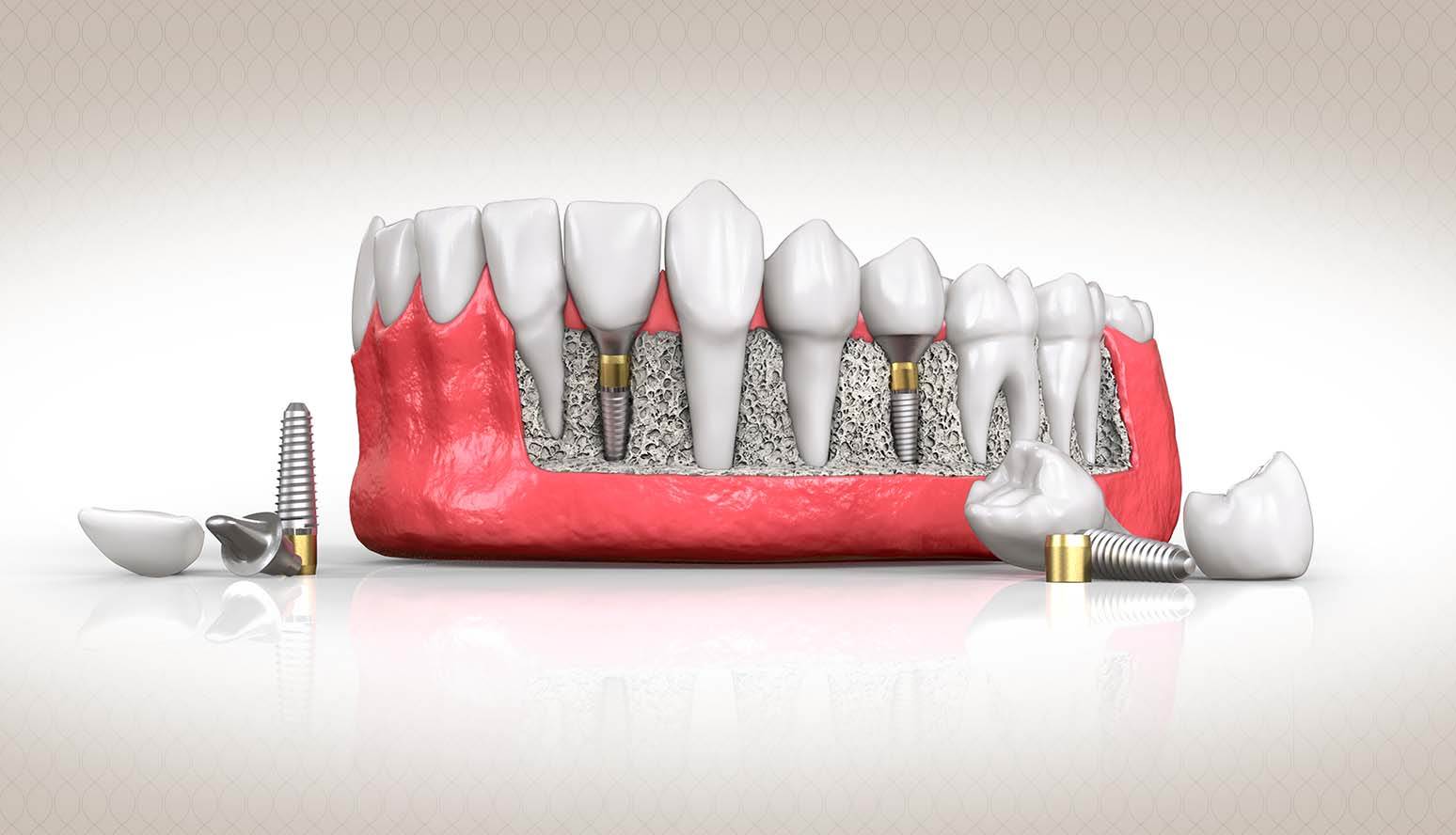
Dental implants are structures used to replace missing teeth by means of screw‑like devices. The surgeon inserts the implant into the jawbone, where it acts as an anchor for an artificial tooth called a crown. A component known as an abutment connects the crown to the implant. The crown is custom‑made to fit the person’s mouth and match the color of their natural teeth so it looks and functions like a real tooth. Dental implants offer many advantages over dentures, which are removable artificial teeth.
However, dental implants are not suitable for everyone. Because implants must fuse with the jawbone, the patient needs to have adequate, healthy bone before they can undergo implant surgery.
Read also: Treatment for Gum Recession and Exposed Tooth Roots
Types of Dental Implants
There are two main types of dental implants: endosteal and subperiosteal.
Endosteal implants are the most common type. The surgeon places them directly into the jawbone, and each implant can support one or more artificial teeth.
With subperiosteal implants, the surgeon places the implant framework under the gum but on or above the jawbone. Dentists usually choose this option for patients who do not have enough vertical height in their jawbone.
Dental implant surgery is considered safe when performed by a qualified and experienced oral surgeon or dentist. You can visit the Dental Center at Al Batal Specialized Complex in Jeddah, which is equipped with advanced technology. Implants are the only tooth‑replacement option that helps preserve jawbone health and stimulates new bone growth.
Risks
Some people are not good candidates for dental implant surgery. Dentists may refuse to perform the procedure for patients who have:
If these issues are resolved, the person may become eligible for surgery. In some other situations, dentists may also avoid surgery for people with:
If individuals with any of the above conditions proceed with implant surgery, they face a higher risk of implant failure. Dentists may also decide not to operate on patients undergoing the following treatments, due to an increased risk of implant‑related complications:
Read also: Best Dental Clinics in Jeddah
Possible Complications of Implant Surgery
People who undergo this procedure may experience complications during or after surgery, which can include:
Patients who develop implant mobility or exposure may need additional procedures to improve the health of the surrounding bone and gums, or to remove or replace the implant.
Below are some signs and symptoms that may indicate an implant has failed:
Procedure
Each person’s experience with dental implant surgery may be different. Factors that can influence the process include:
Depending on these factors, additional procedures may be necessary, such as:
Sinus augmentation (sinus lift): Placing implants in the upper jaw can be challenging because of the proximity of the maxillary sinuses. The surgeon may need to perform a sinus lift, a procedure that raises the sinus floor and allows more bone to form so the implant can be placed securely.
Ridge modification (ridge augmentation): Some people have jawbone deformities that prevent adequate bone from forming for implant placement. In this procedure, the surgeon lifts the gum tissue to expose the area of deficient bone, then uses a bone substitute or graft material to repair and rebuild it. This improves jawbone quality in preparation for dental implant surgery.
Read also: Best Dentist in Jeddah
Cost of Dental Implants
The cost of dental implant surgery varies from one implant clinic to another and depends on many factors. The following can affect the total price:
Some dental insurance plans cover a larger portion of the cost.
Other tooth‑replacement options, such as dental bridges, may have a lower initial cost. However, bridges are often harder to keep clean and commonly require repair or replacement over time, which can increase the overall cost. Dental implants may offer better long‑term value if the patient maintains good oral hygiene and attends regular dental visits.
Conclusion

Dental implants are titanium fixtures placed in the jawbone to replace missing teeth. They have a high success rate and can provide long‑term functional and aesthetic benefits. Anyone considering dental implant surgery should ask their dentist whether this option is suitable for their condition. You can visit the Dental Center at Al Batal Specialized Complex in Jeddah, where the medical staff provides comprehensive services in jaw surgery, periodontics (gum disease treatment), restorative dentistry, and root‑supported prosthetic work.