
Treatment of retinal diseases and surgery
In many cases, eye doctors are the first to detect chronic conditions such as high blood pressure, diabetes, and thyroid disorders during routine eye exams. This is why we believe in the importance of raising awareness about retinal disease treatment, retinal surgery, and promoting education and prevention to protect eye health and vision.
Book an Appointment or Medical Consultation

Dry Eye Session Offers
1600
3 Sessions Price
800
Single Session Price
Full payment required for all sessions
Installment option available with Tamara
Treatment of Retinal Diseases & Diabetic Retinopathy Follow-Up in Jeddah
In many cases, ophthalmologists are the first to detect chronic conditions such as high blood pressure, diabetes, and thyroid disorders during routine eye examinations. This is why we strongly believe in raising awareness about retinal disease treatment and surgery, while promoting education and prevention to protect eye health and vision. Our goal is to provide reliable, easy-to-understand information about essential eye care and retinal treatment.
Eye care has advanced significantly in recent years. Due to the sensitivity of the eye, accurate diagnosis and thorough examination are essential when any eye pain or visual disturbance occurs. Identifying the exact cause and choosing the right treatment requires expertise and precision—because correct diagnosis is not always simple.
Dry eyes, redness, and eye inflammation may start as minor symptoms, but if left untreated, they can become painful, lead to serious complications, and affect vision. That’s why our doctors at Batal Specialist Medical Center always recommend consulting an eye specialist to receive the right treatment for each condition.
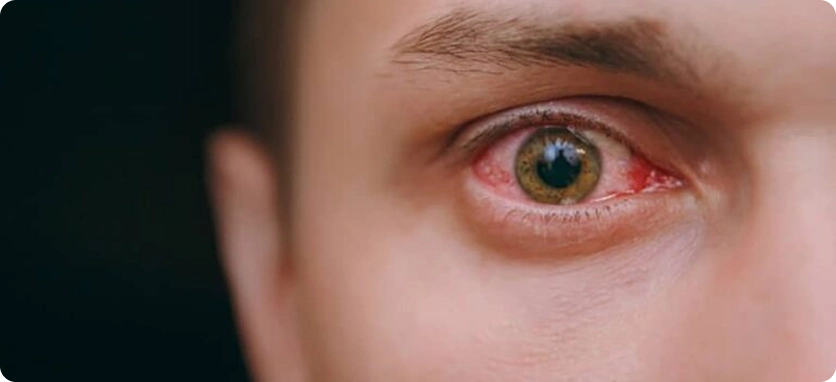
Do I Have an Eye Infection?
An eye infection occurs when bacteria, viruses, or fungi invade part of the eye or the surrounding area. This can affect the clear front surface of the eye (the cornea) or the thin, moist membrane that lines the outer eye and inner eyelids (the conjunctiva).
Many eye infections clear up on their own or with simple treatment. However, in some cases, eye infections can be serious and require immediate medical attention.
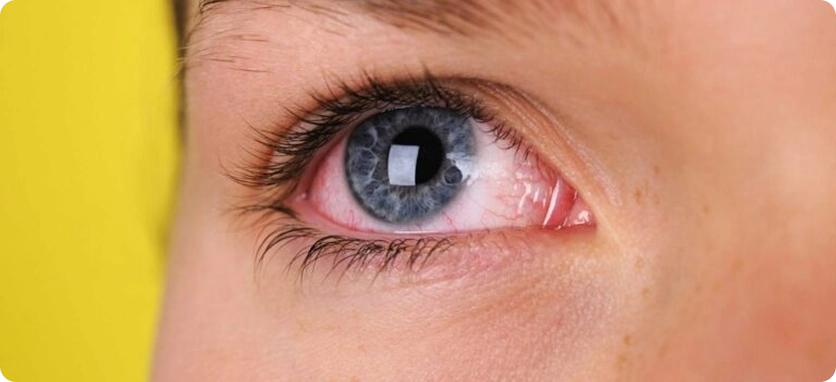
Retinal Disease Treatment & Surgery
Eye redness can be caused by dust allergies or seasonal allergies. In mild cases, home care may help relieve symptoms, such as gently rinsing the eyes with clean water, using warm or cold compresses, and avoiding known irritants. However, if these measures do not improve the condition, visiting an eye specialist is recommended, as persistent redness may indicate a more serious underlying issue.
Red eye may result from severe dry eye, eye strain, allergies, improper use of contact lenses, uveitis, glaucoma, or complications following eye surgeries such as LASIK or cataract surgery. In these cases, medical consultation is essential.
Redness caused by glaucoma, in particular, requires urgent treatment—especially if accompanied by nausea, severe eye pain, or blurred vision—as delayed care may lead to vision loss within one or two days.
Immediate medical attention is also required if eye redness is associated with severe pain, changes in vision, or corneal injury. Early intervention is critical to prevent complications.
Accurate diagnosis is the key to effective and successful treatment. This is the approach we follow at Batal Specialized Medical Center, where we focus on identifying both the symptom and its underlying cause in order to implement the most appropriate treatment plan. Treatment may include eye drops, oral medications, conventional surgery, laser procedures, or a combination of these methods, depending on the condition.
Retinal Disease Treatment & Surgery | Eye Infection Treatment
Eye infection (conjunctivitis) is one of the most common eye conditions. It often causes a feeling that something is in the eye, along with itching and blurred vision. Although it is highly contagious and commonly affects children, it is rarely serious. However, early diagnosis and treatment are recommended to prevent discomfort and complications.
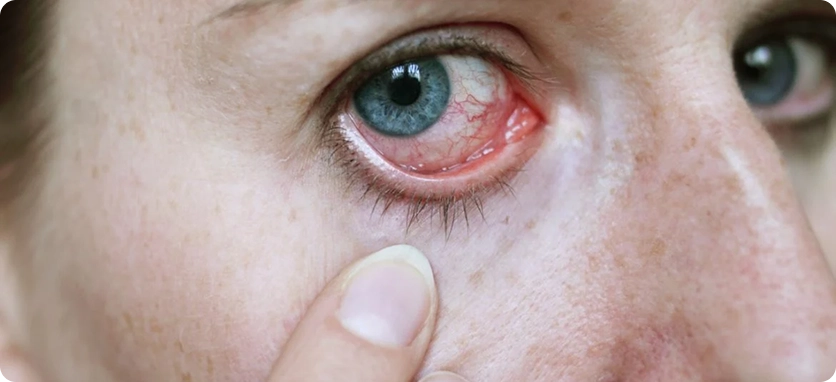
Causes of Eye Infection
Eye infection can be caused by seasonal allergies, a foreign object entering the eye, overuse of contact lenses, or bacterial and viral infections. These infections may be transmitted through exposure to sneezing or coughing from someone with a respiratory infection.
It can also result from exposure to harmful chemicals, such as chlorine in swimming pools.
Symptoms & Treatment
Eye inflammation may appear as redness, itching, burning sensation, and swelling in the eyelids or the white part of the eye. Treatment varies depending on the underlying cause and may include warm or cold compresses, antihistamines, and antibiotics.
In cases of chemical exposure, treatment involves thorough eye irrigation with saline solution under medical supervision.
Some eye inflammations, such as uveitis or cases requiring ocular implants, may require surgical intervention.
For bacterial infections, we strongly recommend completing the full course of antibiotics to prevent recurrence. It is also important to note that viral eye infections may take longer to heal, sometimes up to three weeks.

Endophthalmitis (Intraocular Infection)
When an eye infection spreads inside the eye, as in bacterial endophthalmitis, it can lead to blindness without immediate treatment. Urgent care usually involves strong antibiotics.
This type of infection may occur after a severe eye injury or as a rare complication of eye surgeries such as cataract surgery. When an eye injury penetrates the eyeball, the risk of developing endophthalmitis ranges between 4% and 8%.
Fungal infections can also cause endophthalmitis, and most reported cases occur in tropical regions.
Conjunctivitis Treatment
Conjunctivitis is an inflammation that affects the white part of the eye and the inner surfaces of the eyelids. There are three main types of conjunctivitis: irritant, infectious, and allergic—and each type has a different cause.
Irritant conjunctivitis occurs when an eyelash or an irritating substance, such as chlorine from swimming pools, enters the eye.
Allergic conjunctivitis develops when the eye comes into contact with a substance that triggers an abnormal immune response, leading to irritation and inflammation.
Infectious conjunctivitis is caused by viruses or bacteria.
Symptoms & Treatment
One or both eyes may feel irritated, appear red, and look inflamed. You may also notice excessive tearing and/or sticky discharge, which is often worse in the morning.
If conjunctivitis lasts for months rather than weeks, it may be linked to sexually transmitted infections.
Most cases clear up on their own with basic self-care within one to two weeks and do not require medical treatment. It is also important to note that around 10% of people treated with antibiotics for infectious conjunctivitis may experience side effects.

Eye Headache Treatment
Eye headaches can be a symptom of conditions such as optic nerve inflammation or glaucoma. The pain may be felt behind the eye, around the eye, or within the eye itself. Pain around the eye can affect the eyelids and surrounding tissues, while pain inside the eye may be caused by conditions such as bacterial keratitis or conjunctivitis. It is important to note that the location of the pain does not always indicate its exact cause.
Many eye conditions can lead to headaches, ranging from eye strain to glaucoma and eye infections. There are also other health conditions that cause headaches and can be detected through a comprehensive eye examination. In some cases, the eyes are not the direct cause of the headache, but the pain is concentrated in the area around the eyes.
Causes of Eye Headache
In most cases, the eyes are not the direct cause of headaches. However, many eye conditions that lead to headaches are easy to diagnose and treat. That is why a thorough eye examination is always recommended.
Some conditions that may cause eye-related headaches include:
Contact Lenses Issues
Poorly fitted lenses, corneal infections, swelling, or reduced oxygen reaching the cornea due to low-quality lenses or improper use.Corneal Abrasion
Often accompanied by pain, tearing, redness, and the feeling that something is in the eye.Corneal Ulcer
Conjunctivitis (Eye Infection)
Inflammation of the Tear Ducts
Dry Eye
Acute Glaucoma
Uveitis (Inflammation of the Iris)
Thyroid-Related Eye Diseases
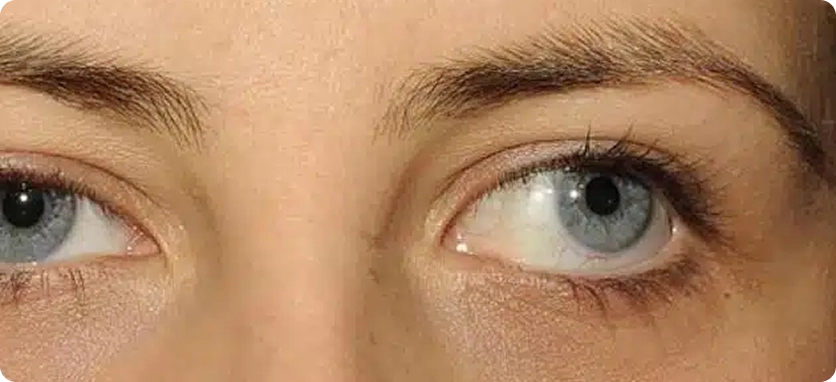
Eye Misalignment (Strabismus) Treatment
Treatment for eye misalignment depends on the answers to several important questions:
Is the deviation mild, moderate, or severe?
Is there a family history of strabismus?
Is the misalignment constant or does it appear occasionally?
Does it affect one eye or alternate between both eyes?
Did the condition appear suddenly?
Strabismus in both children and adults can be treated using a range of methods, including prism lenses, multifocal glasses, and other non-surgical medical options. In some cases, eye patching or surgical correction may be the most effective solution.
Whatever your condition, the team at Batal Specialized Medical Center is always happy to answer your questions. You can contact us via WhatsApp patient services or book a medical consultation by calling any of our listed numbers.
Frequently Asked Questions
Retinal Detachment
Retinal detachment is a serious eye condition in which the retina stops receiving oxygen. The symptoms can be alarming. You may notice floating spots, flashes of light, or a dark curtain moving across your field of vision.
If not treated quickly, retinal detachment can lead to permanent vision loss.
Surgical repair is used to restore blood flow to the retina and protect vision. If you experience any of these symptoms, you should contact an eye specialist or go to the emergency department immediately.
Why Is Retinal Detachment Repair Performed?
The retina is the part of your eye that sends visual images to the brain through the optic nerve. It contains millions of light-sensitive cells, much like a camera sensor, and is located at the back of the eye. It is essential for clear vision.
Retinal detachment occurs when the retina separates from the back of the eye and loses its blood supply. Without proper blood flow, retinal cells begin to die, which can cause permanent vision damage. If the macula (the central vision area) becomes detached, vision may be permanently affected. If the macula detaches completely, total vision loss can occur. Reattaching the retina as quickly as possible is critical to prevent these serious complications.
Retinal detachment can happen when the vitreous gel inside the eye pulls away from the back of the eye, tearing the retina. Fluid can then pass through the tear, causing the retina to separate from the eye wall.
Some causes and risk factors for retinal detachment include glaucoma, severe eye trauma, nearsightedness (myopia), previous cataract surgery, a history of retinal detachment in the other eye, and a family history of retinal detachment.
Treatment of Post-Surgical Dry Eye
Studies have shown that dry eye symptoms increase by two levels after LASIK procedures and by one level after cataract surgery. The type of intraocular lens used can also affect the severity of dry eye. For this reason, we strongly recommend that patients with dry eye undergo a dedicated dry eye treatment course for two to four weeks before any refractive surgery. This allows us to perform a detailed examination of the eye surface and treat any conditions that may interfere with the procedure.
Evaluating and treating dry eye before and after surgery is essential to ensure patient comfort and satisfaction following cataract and refractive procedures.
The depth of laser ablation also plays a role in dry eye development—the deeper the treatment, the higher the risk of dryness. That is why we often recommend SMILE laser surgery instead of traditional LASIK, as it is performed through a small incision without a surgical blade, helping reduce the likelihood of dry eye after vision correction surgery.
Dry Eye Treatment Caused by Screen Use
Prolonged use of smartphones, tablets, and digital screens has become one of the most common causes of dry eye in recent times. To reduce the negative impact of screens on eye health, doctors recommend the 20-20-20 rule: every 20 minutes, look at something 20 feet away for 20 seconds. This, along with frequent blinking and gently closing the eyes to stimulate tear production, can help relieve mild dry eye symptoms.
In chronic cases, we recommend using lubricating eye drops for dry eye. While most of these drops are safe, some people may experience rare side effects such as blurred vision, eye irritation, or other symptoms. If any of these occur, the drops should be stopped immediately.
During our medical consultations, we always ask patients whether they have allergies to common ingredients in eye drops or any underlying health conditions before prescribing the most appropriate treatment.
Dry Eye and COVID-19
Although face masks have proven effective in reducing the spread of COVID-19, one of their side effects has been a noticeable increase in dry eye cases—especially among people who already suffer from dry eye. This has been highlighted by research from the Eye Research Centre at the University of Waterloo in Canada.
The issue often results from wearing face masks incorrectly, allowing exhaled air to flow upward toward the eyes. This airflow dries the eye surface and can cause irritation and discomfort. In addition, some masks may pull the lower eyelid downward, disrupting the natural spread of tears that keep the eyes lubricated.
To reduce these effects, we recommend wearing face masks properly, using lubricating eye drops after consulting a doctor, and taking regular breaks when wearing a mask for long periods—especially during extended screen use.
Best Cataract Doctors at Batal Specialist Medical Center
Retina Surgeon, Diabetic Retinopathy Specialist & Cataract Surgeon (Laser Cataract Removal)
Dr. Wadah Jalabi is one of the leading names in ophthalmology and retinal surgery, and is considered among the top retina specialists in Jeddah. He has over 30 years of professional experience in diagnosing and treating retinal diseases.
Since 1992, Dr. Jalabi has successfully performed more than 30,000 retinal surgeries, reflecting his extensive expertise, high precision, and advanced surgical skills in handling complex and sensitive cases.
87 Reviews

Best Cataract Doctors at Batal Specialist Medical Center
Batal Specialist Medical Center
Get Comprehensive Medical Care



Installments available up to 100% via Tamara & Tabby & Amwal

'/%3E%3C/svg%3E)