
Med info
Tooth Sensitivity to Cold | Causes and How to Manage It Safely

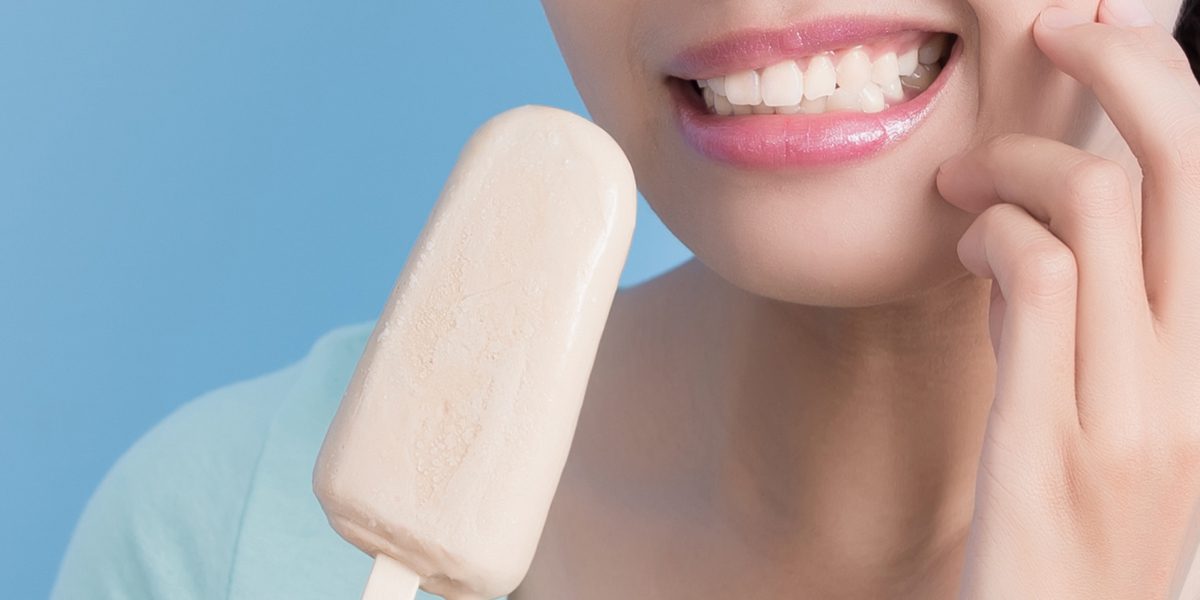
Ice cream and smoothies are a sweet way to reward yourself after a long day—until tooth sensitivity takes that pleasure away. About 1 in 8 people have teeth that are sensitive to cold. Dentin hypersensitivity, or tooth sensitivity, is a common dental condition that can affect anyone, either due to unhealthy habits or as a side effect of another condition or treatment.
Read also: Fixing Dental Problems With Crowns and Bridges
What Causes Tooth Sensitivity to Cold?
Dentin is the soft, sensitive layer of the tooth just beneath the enamel. It covers the dental pulp, where the nerves and blood vessels are located. Once dentin is exposed because of weakened enamel, you start to experience tooth sensitivity. Below are the most common causes of tooth sensitivity resulting from enamel damage:
Untreated Tooth Decay
Tooth sensitivity is one of the symptoms of dental caries (tooth decay). Early decay starts as a tiny hole or scratch in the enamel that you usually can’t see with the naked eye. Once bacteria penetrate the enamel, your dentin becomes exposed to extreme temperatures from what you eat and drink—and sometimes even to cold air—leading to tooth sensitivity.
Brushing and Using Miswak
Brushing and flossing are healthy habits that should be maintained, but your brushing technique is the next critical step. Using a hard‑bristled toothbrush can scratch the enamel surface. Bacteria then take advantage of these tiny defects, breaking down the enamel and causing tooth sensitivity and cavities.
Although miswak (chewing stick) is widely used to remove food debris after meals, your dentist may recommend switching to dental floss. Miswak can be too abrasive on enamel and cause surface scratches. Enamel may seem strong, but unlike many other tissues in the body, it cannot repair itself.
Read also: Braces vs. Aligners | Comparing Two Options for Straightening Teeth
Teeth Grinding (Bruxism)
Teeth grinding is another way our bodies respond to stress. While many people grind occasionally, patients who work in highly stressful environments or suffer from anxiety are more prone to habitual grinding.
A clenched jaw puts extra pressure on your bite and gradually wears down the upper and lower teeth. When the enamel is worn away by constant grinding, the dentin becomes exposed, which leads to tooth sensitivity.
Read also: Dental Health and Wisdom Teeth
Cracked or Chipped Teeth
Trauma, or using your teeth as tools (for example, to open packages), can cause teeth to crack or chip. Even a small crack in the enamel can result in tooth sensitivity. You are also at higher risk of a dental infection because bacteria can reach the inner layers of the tooth through these cracks.
Exposed Tooth Root
The tooth root lies below the gumline and contains nerves and blood vessels. It is protected by a thin layer called cementum. When the gums or cementum are damaged, the roots become exposed to everything you eat and drink, leading to tooth sensitivity. Gum recession, teeth grinding, and smoking are some of the main causes of exposed tooth roots.
Read also: Local Dental Anesthesia | Types and Side Effects
Post‑Treatment Sensitivity
Because of the hydrogen peroxide concentration, teeth whitening treatments can cause temporary tooth sensitivity. Bleaching agents used in both professional whitening procedures and over‑the‑counter products can demineralize and weaken the enamel, which triggers sensitivity.
Read also: Everything You Need to Know About Periodontal Pockets
Are you ready to restore your smile and the normal function of your teeth? Our dental specialists at Batal Specialized Complex can help. We provide high‑quality dental crowns and bridges to prevent and correct dental problems and restore your confidence in your smile. We also offer a full range of restorative dental services to keep your mouth healthy and your smile bright. Book an appointment today.
Why Are My Teeth Sensitive?
Tooth sensitivity, or dentin hypersensitivity, can develop over time as a result of enamel wear and/or gum recession. It occurs when the inner part of the tooth, called dentin, becomes exposed. Thousands of microscopic tubules run through the dentin toward the center of the tooth, where the nerves are located. Once dentin is exposed, certain triggers (such as a hot or cold drink) can stimulate the nerves, causing a short, sharp pain associated with tooth sensitivity. After dentin is exposed, it cannot revert to its original protected state—but you can help shield your teeth from sensitivity by brushing twice daily with Sensodyne toothpaste every day.
Can Brushing Cause Tooth Sensitivity?
Yes. Brushing too hard or too often can contribute to gum recession and/or enamel erosion. Over time, this can expose the inner layer of the tooth (dentin) and lead to tooth sensitivity. To help prevent this, brush your teeth twice a day using a soft‑bristled toothbrush.
Is Tooth Sensitivity Common?

Yes. Up to 2 out of 3 people may experience dentin hypersensitivity/tooth sensitivity.
What Triggers Tooth Sensitivity?
That sharp, sudden jolt—or even a mild tingling pain—you feel may be caused by common triggers such as those below: