
Med info
Tooth Fractures | Causes, Symptoms, and Treatment

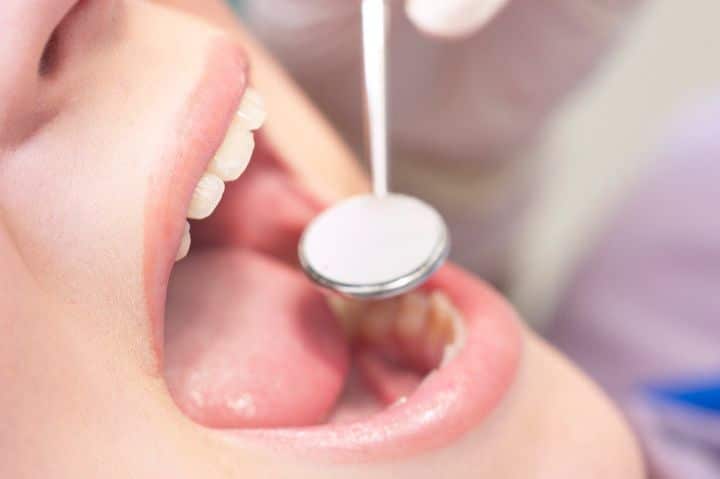
How freely you can flash your pearly whites is a quick window into your self-confidence and self-esteem. Many different factors – from cosmetic issues to urgent dental problems – can undermine that confidence and make you hide your teeth behind tight lips or even your hand.
One major concern for many people – with both functional and cosmetic consequences – is having fragile teeth. A lot of people find that their teeth are weaker than they used to be, or more brittle than they should be. Weak, brittle teeth can interfere with your ability to eat, laugh, and live confidently. Certain bad habits may contribute to this weakness, or you may simply be dealing with factors beyond your control. Either way, the dental clinics at Batal Specialized Complex can help prevent fragile, brittle teeth and restore them to a healthier state.
Also read: Dental Veneers – Everything You Want to Know
Why Do Teeth Break?
There are many known causes of tooth fragility, as well as other factors linked to an increased risk of teeth breaking easily. Genetic factors that affect the enamel and dentin can make teeth more prone to fracture.
Genetic predisposition may mean that your enamel is softer than normal, which makes it easier to chip or break compared with most people. Genetics can also affect the characteristics of the layer just beneath the enamel – the dentin – which may also leave your teeth more brittle than usual.
Gum disease – often referred to as periodontal disease – is caused by bacterial buildup resulting from poor oral hygiene habits. The early stage of gum disease, gingivitis, usually does not cause permanent damage to the bone or surrounding tissues.
However, if gingivitis is not treated properly and you don’t return to good oral hygiene habits, it can progress to periodontitis. Periodontitis causes the bone and supporting tissues around your teeth to recede, creating “pockets” along the gumline that collect debris and can become infected. Advanced periodontitis leads to loose, fragile teeth that are at risk of falling out. Gum disease is a serious condition and should never be ignored.
Also read: Hollywood Smile | Cost and Everything You Need to Know
Risk Factors for Tooth Fractures
While the following risk factors don’t directly cause fragile or fractured teeth, they contribute indirectly to conditions that make teeth break more easily than they should.
Multiple, repeated dental procedures on the same tooth, the same area of the mouth, or the same section of the jaw can, ironically, weaken teeth over time. A series of cavities in the same area and fillings that need to be replaced, or multiple cavities and fillings in adjacent teeth, can gradually lead to structural weakness.
Weakness related to repeated dental work can sometimes be managed by considering alternative dental treatments – for example, placing a crown instead of repeatedly replacing fillings, or in combination with them.
Certain medications can indirectly make your teeth more fragile or weak by reducing your body’s ability to absorb calcium or by decreasing saliva flow. If your mouth is chronically dry and you don’t produce enough saliva, your enamel is more likely to erode, which in turn increases your risk of tooth decay and the weakening that goes with it.
Your personal habits can also increase your risk of having weak or brittle teeth. For example, it is possible to brush too often or with too much force, which can wear away the protective enamel layer. Over-the-counter whitening toothpastes (as opposed to professionally supervised whitening products) can also contribute to enamel erosion.
If you grind or clench your teeth while you sleep – a condition known as bruxism – you gradually weaken your teeth over time and become much more likely to experience tooth fractures.
Also read: Everything You Need to Know About Periodontal Pockets
How Do You Treat and Manage Fragile Teeth?
Once you understand some of the causes and risk factors behind weak, brittle teeth that are prone to fracture, the strategies for managing and treating them become clearer.
Because untreated tooth decay that progresses into gum disease is a major problem, committing to daily oral hygiene habits, having your teeth cleaned twice a year, and attending regular dental checkups are essential to keeping your teeth strong and healthy. Your dentist will detect potential problems early and develop a treatment plan to stop minor issues before they turn into serious risks.
Also read: Zoom Teeth Whitening – How It Works and Whether It’s Right for You
Are Fractured Adult Teeth Really a Big Deal?
Yes. A broken adult tooth is a very serious issue. Fractured teeth are considered a dental emergency and should be examined as soon as possible. Even a small crack or chip can cause problems with eating, drinking, and sometimes even speaking. In addition, a fracture can trap food particles and bacteria in the damaged area, which may lead to infection. Without prompt treatment, a broken tooth may become impossible to save. If you notice any sign of tooth fracture, contact a dentist at Batal Specialized Complex immediately.
How Can Someone Break a Tooth?
The outer layer of your teeth, known as enamel, is extremely strong. However, there are several ways a tooth can break. Some fractures result from sudden trauma, such as sports injuries or falls. In other cases, teeth break when used for things they were never meant to do, like opening packages or chewing ice.
Teeth that have been weakened over time by decay are much more likely to fracture during normal eating. A compromised tooth can break while biting on hard foods such as hard candy, ice chips, potato chips, apples, or granola bars.
What If I Hit My Teeth and Nothing Seems Broken?
It’s entirely possible to hit your teeth on something and not see any obvious break, but that doesn’t mean everything is fine. You may still have caused damage that isn’t visible to the naked eye. Dentists often refer to this type of hidden damage as a crack or craze line in the tooth.

Some cracks are superficial, but others can extend through the entire tooth. These cracks weaken the tooth structure and make it more likely to fracture or crumble during everyday activities. It’s important to see your dentist so they can evaluate the tooth and check for any underlying damage.