Med info
Thyroid Nodules | Causes, Symptoms, and Treatment

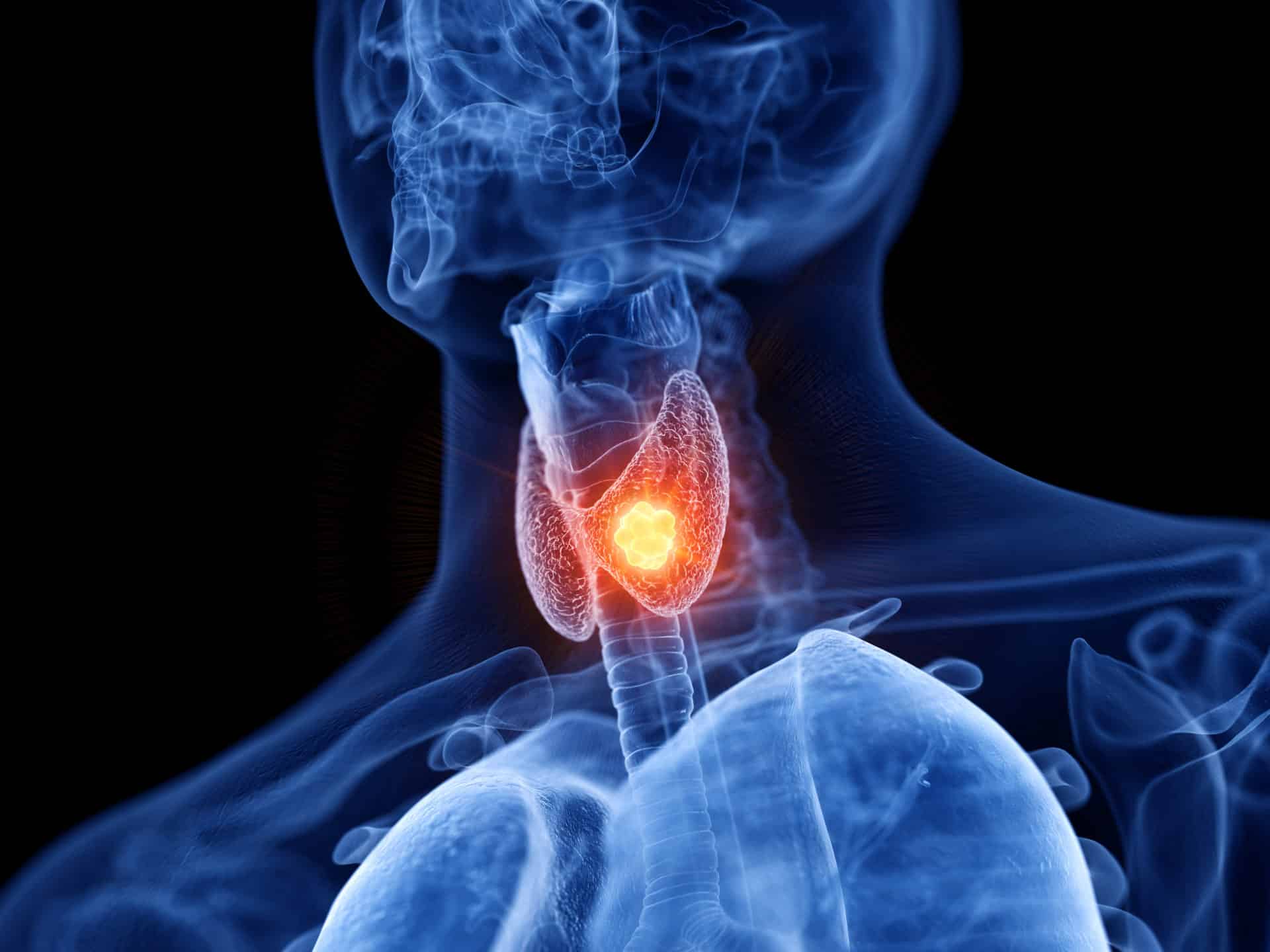
The thyroid is a butterfly-shaped gland about two inches long located at the base of your neck. It plays a major role in your body because it produces hormones that regulate metabolism and how your body uses energy.
Thyroid hormones also control a wide range of body functions, including heart rate, breathing, body temperature, nervous system function, and much more. So when something goes wrong with the thyroid—such as the development of thyroid nodules—it can throw many body systems off balance, and even affect your mood.
Fortunately, most thyroid nodules are benign (noncancerous) and do not affect how the gland works. When they do cause problems, there are effective treatment options available.
You may also like: Everything You Need to Know About Orbital Floor Fractures
Symptoms of Thyroid Nodules
Thyroid nodules usually do not cause any symptoms. For this reason, they are often discovered by a healthcare provider during a routine neck exam or on imaging studies done for other reasons, such as parathyroid disease, trauma, carotid artery disease, or cervical spine pain.
When thyroid nodules do cause symptoms, the most common are a noticeable lump in the neck, a sensation of fullness or a “lump” when swallowing, and possibly difficulty swallowing. Larger nodules may also cause trouble breathing, hoarseness, or neck pain.
In rare cases, the tissue within a thyroid nodule may produce excessive amounts of thyroid hormones triiodothyronine (T3) and thyroxine (T4), leading to symptoms of hyperthyroidism. These may include:
Can Thyroid Nodules Press on the Esophagus?
When a thyroid nodule presses on the airway (trachea) or the esophagus, it can cause:
What Causes Thyroid Nodules?
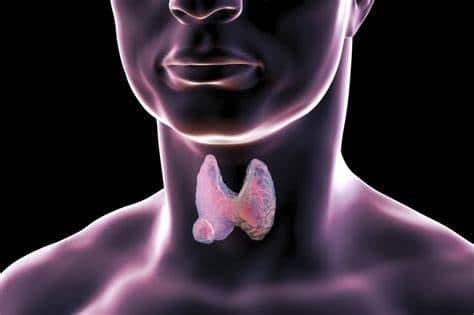
In many cases, the exact cause of thyroid nodules is unknown. Sometimes nodules occur in clusters (multinodular goiter), which suggests there may be a genetic component. Nodules can also develop due to iodine deficiency, although this is rare in the United States.
Less commonly, thyroid cancer is the cause of abnormal tissue growth, which is why it is important to see a doctor if you think you have a nodule.
There are several known risk factors for thyroid nodules. They are more common in women than in men, and the likelihood increases with age.
You are also at higher risk of developing thyroid nodules if you have a history of radiation exposure or if you have Hashimoto’s disease (Hashimoto’s thyroiditis), the most common cause of hypothyroidism.
Read also: Hashimoto’s Disease | Causes, Symptoms, and Treatment of Hashimoto’s Thyroiditis
How Are Thyroid Nodules Diagnosed?
Your doctor may detect a thyroid nodule by examining your neck and feeling the thyroid gland. If a nodule is found during a physical exam, your doctor will need to answer four key questions to decide whether any further action is needed:
Below are the tests your doctor may use to learn more about your thyroid nodule and determine the next steps:
Treatment Options for Thyroid Nodules
Treatment for a thyroid nodule depends on whether it contains cancer cells or is causing other problems, such as neck discomfort or overproduction of thyroid hormones. In many cases, you may not need any active treatment at all.
Treatment of Benign (Noncancerous) Nodules
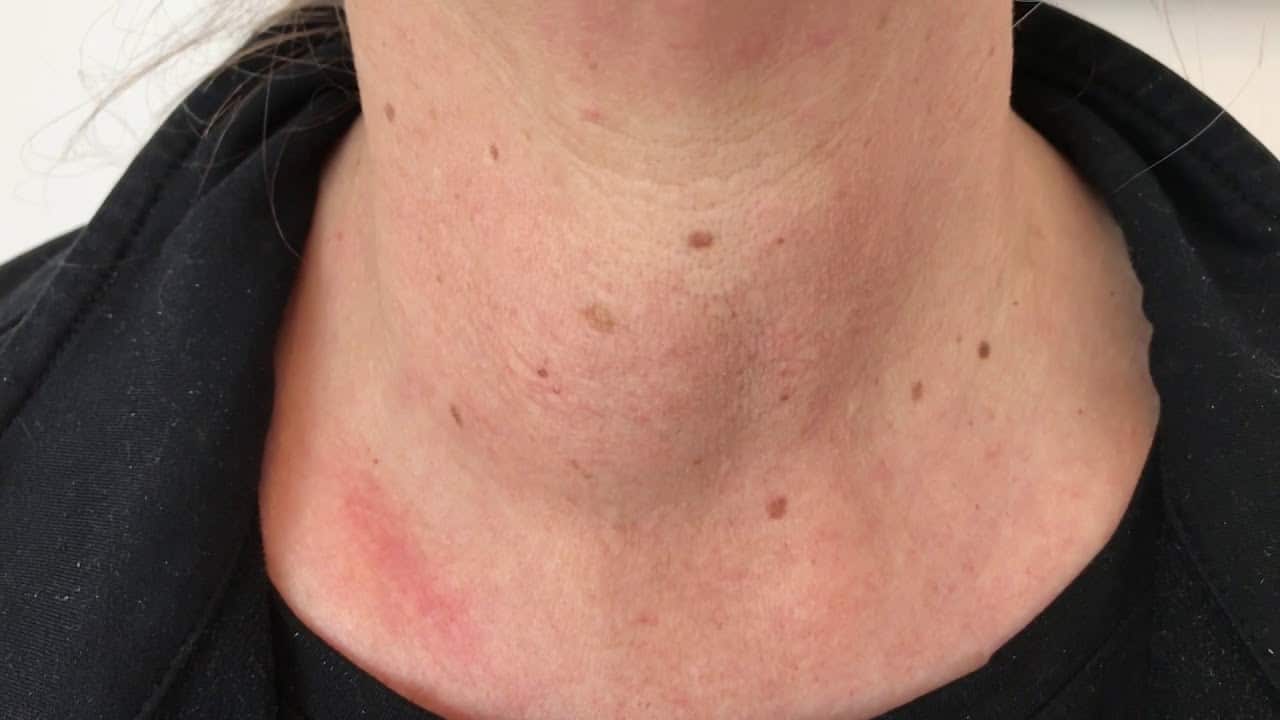
If your nodule is benign and not causing any other issues, your doctor will usually monitor it with a thyroid ultrasound and physical exam at least once a year. You may also have periodic blood tests to check your thyroid hormone levels.
If the nodule continues to grow, causes difficulty breathing or swallowing, or develops suspicious features over time, your doctor may recommend surgical removal.
Read also: Entropion Repair | Definition, Types, Treatment, and Causes
Treatment of Cancerous Nodules
If the nodule contains cancer cells, surgery is almost always required. The two main surgical options are:
– Total thyroidectomy: removal of the entire thyroid gland
– Thyroid lobectomy (lobectomy of the thyroid): removal of the half (lobe) of the thyroid that contains the nodule
Treatment of Hormone-Secreting (Hyperfunctioning) Nodules
Nodules that produce excessive amounts of T3 and T4 can be treated in several ways: radioactive iodine, alcohol ablation, or surgery to remove the nodule, thereby correcting the hormone overproduction.
Radioactive iodine is given as a pill and causes the thyroid tissue to shrink and produce less thyroid hormone. Radioactive iodine is taken up almost exclusively by the thyroid gland, so it does not harm other cells in the body.
Alcohol ablation involves injecting alcohol directly into the thyroid nodule or nodules using a very thin needle. This treatment causes the nodule to shrink and lowers thyroid hormone production.
Batal Specialized Complex in Saudi Arabia is considered one of the most advanced and leading medical centers in the field of eye care and eye disease treatment. Its reputation continues to grow thanks to the high standards and expertise of its ophthalmologists, as well as the use of the latest technologies for eye examination and treatment. If you are experiencing any eye-related problem, book an appointment at Batal Specialized Complex to receive expert medical consultation from a highly qualified eye specialist.
Read also: How Long Does Cosmetic Eye Botox Last? | Details About the Duration and Procedure