Med info
The Difference Between Dental Implants and Dentures

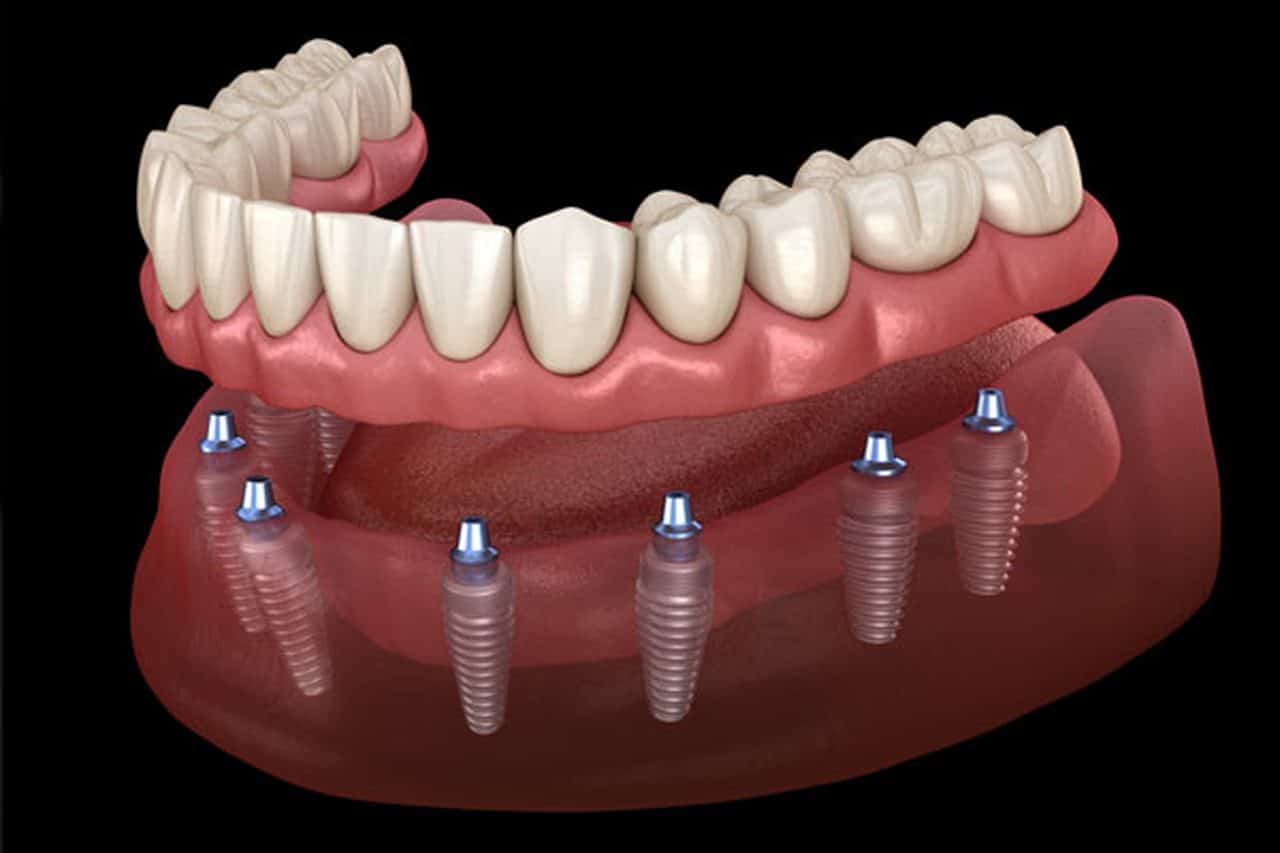
Dental implants are titanium fixtures that are surgically placed into the jawbone below the gum line. This titanium post acts as an artificial tooth root and provides a strong, stable foundation for a replacement tooth. It is then used to support a restoration, whether that is a dental crown, a dental bridge, or a denture.
Implants are generally recommended over removable appliances to replace missing teeth because they last longer and look and feel more natural. Compared with traditional dentures and dental bridges, implants also offer more long‑term benefits for your oral health.
Read also: Information and Facts About Digital Dentistry
What Are Dentures?
What Are Dentures Made Of?
In the past, the artificial teeth used in dentures were made of porcelain or plastic. More modern dentures are generally made from hard acrylic resin. The materials used to make dentures are known to be more fragile than natural tooth enamel and can chip or crack easily if dropped or not cared for properly. They also wear down much faster than natural teeth, which is why dentures usually need to be replaced with a new set about every five years or so.
The base or framework of dentures, which holds the artificial teeth in place and mimics the natural gumline, is often made from a similar resin used for the teeth or from a more flexible polymer material designed to fit comfortably along the natural gums.
Read also: Local Dental Anesthesia | Types and Side Effects
Why Should You Wear Dentures?
Dentures do more than just improve the appearance of a smile that has lost several teeth. They also help maintain proper oral and facial structure by supporting the tissues around the cheeks and lips. Dentures allow you to eat foods that require chewing, making it possible to keep your usual diet and ensure you are getting proper nutrition.
They are also a practical solution for replacing teeth that are causing significant pain or serious oral health problems, such as teeth with decayed roots or severe structural damage. Getting dentures means removing problematic teeth and replacing them with a strong, aesthetically pleasing alternative.
Read also: Invisalign Braces | What They Are, How They Work, and Their Advantages
Dental Implants
Dental implants are a long‑term, discreet solution for replacing missing or failing teeth. Tooth loss can affect the way you eat and speak and can seriously undermine your self‑confidence. A dental implant itself is a titanium screw that is placed directly into the jawbone to replace the root of a missing tooth.
Once placed, the surrounding bone gradually fuses with the implant (a process called osseointegration), anchoring it firmly in place. An artificial tooth (a crown or a denture) is then attached to the implant. The replacement tooth or teeth are designed to match the shape, size, and color of your existing teeth, so the implant blends naturally with your smile.
Why Choose Dental Implants?
Read also: Zoom Teeth Whitening Technology – How It Works and Whether It’s Right for You
The Dental Implant Procedure
Implant treatment is usually carried out in two main stages. First, the implant is placed into the jawbone. Then, after about four to eight months—once healing and bone integration have taken place—your new permanent tooth or teeth are attached to the implant.
The procedure is typically performed in your dental office under local anesthesia. If you feel particularly anxious about treatment, your dentist may be able to offer a sedative option to help you relax during the procedure.
Read also: Zirconia Crowns | Types, Benefits, Features, Drawbacks, and Longevity
How Many Teeth Can Be Replaced With Implants?
You can replace a single tooth, multiple teeth, or even a full arch of teeth with dental implants. You do not need one implant for every missing tooth. For example, just two implants can be used to support a removable lower denture, while four implants can support a full, fixed set of upper or lower teeth.
Is Dental Implant Surgery Painful?
Most patients tolerate dental implant surgery quite well. Any post‑operative discomfort can usually be managed with over‑the‑counter anti‑inflammatory medications such as ibuprofen or other non‑prescription pain relievers, as directed by your dentist.
Are Dental Implants Expensive?
Implants do tend to cost more upfront than other tooth‑replacement options such as dentures or bridges. However, they also last many years longer and often never need to be replaced. Viewed as a long‑term investment in your health, comfort, and quality of life, they are usually considered the most cost‑effective option over time.
How Do You Care for Dental Implants?

Dental implants are cared for in almost the same way as natural teeth: daily brushing and flossing combined with regular dental checkups and professional cleanings. While the implant and its restoration do not decay, the surrounding gum tissue can become inflamed or infected if oral hygiene is poor. With proper care and maintenance, dental implants are designed to last a lifetime.