Med info
The Best Vision Correction Surgery Center in Jeddah – Excellence and Quality

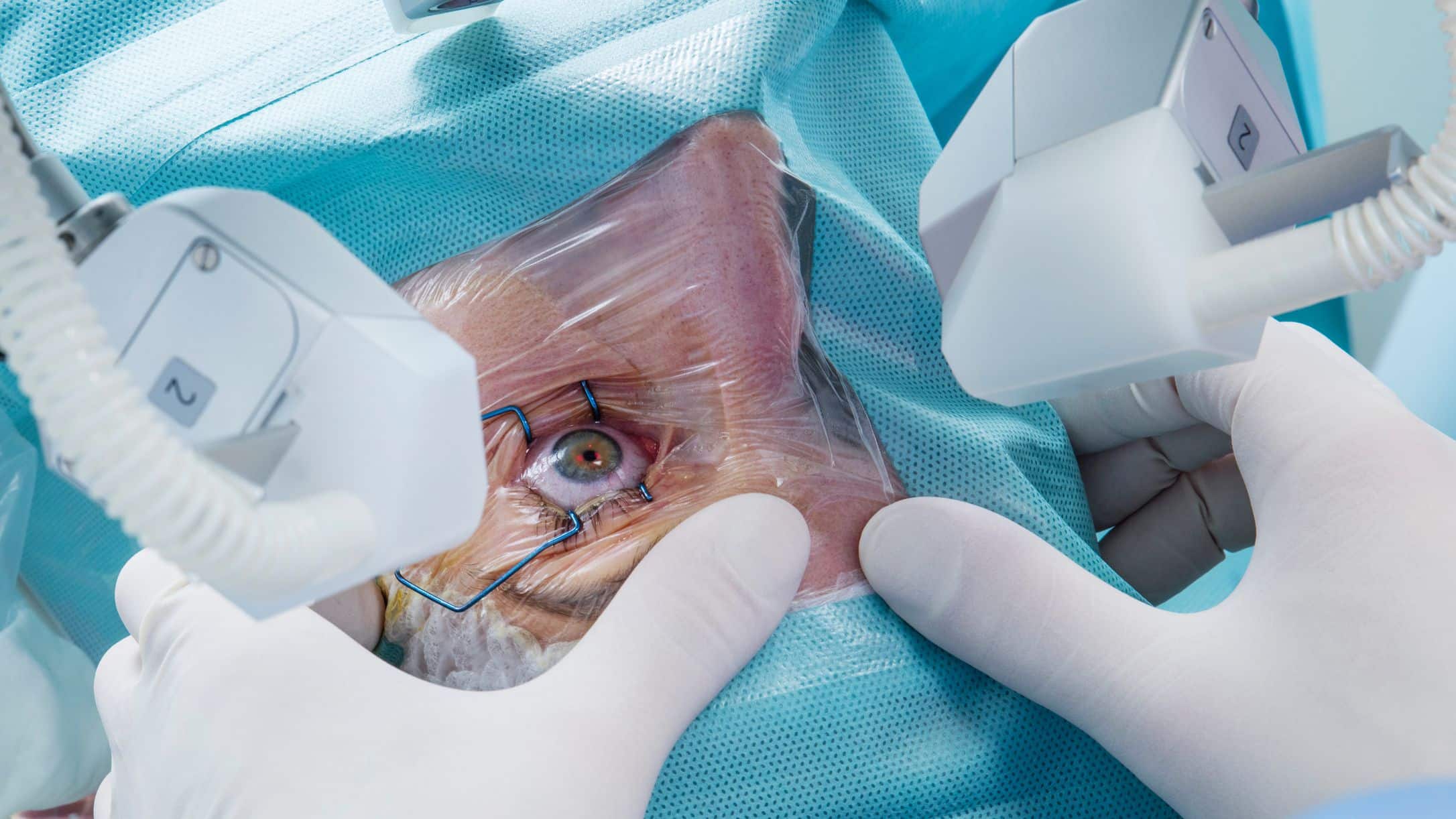
Wearing contact lenses and eyeglasses can be tiring for some people and may negatively affect their active lifestyles, so many choose to take control of their vision in a more permanent way.
Ophthalmologists at the leading vision correction center in Jeddah, “Batal Specialized Complex,” have achieved remarkable advances in refractive and laser eye surgery in recent years.
There are many types of vision correction procedures, and most of them work by reshaping the cornea so that light passing through it can be properly focused on the retina. At Batal Specialized Complex – the best center for vision correction in Jeddah – highly experienced eye surgeons are available to perform these procedures.
Benefits of Vision Correction Surgery in Jeddah

As the name suggests, vision correction is a way to address refractive errors using the latest corrective technologies. The technology has advanced significantly over the past few decades and is now safer and more accurate than ever. With this breakthrough treatment, it is possible to map the patient’s cornea with exceptional precision and use that data to plan and carry out corneal reshaping.
Regardless of the specific vision problem, patients can find the most suitable solution through vision correction at Batal Specialized Complex. The procedure uses a computer‑controlled laser to correct the shape of the cornea. Once vision stabilizes, there is usually no further need for glasses or contact lenses. The benefits of vision correction surgery include:
Many types of vision problems can be treated with laser eye surgery. People with myopia (nearsightedness), astigmatism, presbyopia, and hyperopia (farsightedness) can all benefit from this type of procedure.
They can enjoy the many advantages of clear vision, along with greater confidence and freedom from the restrictions of glasses or contacts. Laser eye surgery is also a practical and cost‑effective way to address various issues related to poor eyesight.
How to Prepare for Vision Correction Surgery in Jeddah
Any type of surgery can be nerve‑racking, no matter how minor or specialized it is, but it doesn’t have to cause unnecessary stress. By doing your research and preparing in advance, you can feel more at ease in the days leading up to laser eye surgery and vision correction.
Have a full evaluation by an eye surgeon at Batal Specialized Complex to determine whether you are a suitable candidate for laser eye surgery. This will usually include a number of tests such as corneal thickness measurement, corneal topography (mapping), visual acuity testing, a refraction (prescription check), intraocular pressure measurement, and pupil dilation.
These tests may sound intimidating, but they are simple and painless, and they are essential to ensure that you receive the best possible treatment. The more you know about your eyes and the procedure, the more comfortable you will feel beforehand.
When it comes to discussing your health with your doctor, there is no such thing as “too much information.” Make sure your ophthalmologist at Batal Specialized Complex is aware of all eye‑related conditions as well as any general medical issues, past or present. Also ensure your doctor knows exactly which medications you take regularly and any drugs to which you are allergic.
You should keep the area around your eyes clean and free of makeup for one to two days before laser eye surgery. Any debris left along the eyelashes can increase the risk of infection. Gently but thoroughly clean your eyelids and lashes in the days leading up to surgery to ensure there is no residual makeup.
If you wear soft contact lenses, it is essential to stop wearing them at least one week before laser eye surgery. Rigid gas‑permeable (hard) lenses should be discontinued three to four weeks prior to the procedure. This is necessary because contact lenses alter the shape of the cornea; wearing them too close to the date of surgery can distort your measurements and reduce the accuracy of your results. During this time, wear your glasses instead.
In the days leading up to surgery, make sure the skin of your face is completely free of moisturizers, perfume, or foundation. If these products get into the eye area, they may increase your risk of infection. Also, plan your surgery day in advance.
Arrange for someone to drive you to and from your appointment. Because you will likely be given a mild sedative and protective eye shields before and after the procedure, you will not be allowed to drive on the day of surgery. Your eyes must heal before your surgeon clears you to drive safely, which is usually the following morning after laser eye surgery.
Since laser systems work best in a cool environment, the laser suite is often kept at a low temperature, and you may feel cold. Wear something warm and comfortable, preferably clothing that does not need to be pulled on or off over your head, and avoid anything too delicate.
Success Rate of Vision Correction Surgery in Jeddah
The success rate of LASIK and other modern vision correction procedures is well documented, thanks to thousands of clinical studies evaluating patient outcomes. LASIK has an exceptional patient satisfaction rate of at least 96%, the highest of any elective medical procedure, according to the American Refractive Surgery Council.
At Batal Specialized Complex, leading vision correction surgeons in Jeddah have achieved high success rates in treating a wide range of cases. For anyone considering vision correction, understanding LASIK success rates is an important part of the decision‑making and educational process.
It is also important to understand what these numbers mean in relation to your own visual goals. One of the key questions people ask is how successful the procedure really is, and this is an essential topic to discuss with your doctor. Research data clearly shows that LASIK is a safe and effective vision‑correcting procedure that helps many patients significantly improve their quality of life.
Results of Vision Correction Surgery in Jeddah
Vision correction procedures are surgical techniques designed to enhance your eyesight. With laser‑assisted in situ keratomileusis (LASIK), the corneal tissue at the front of your eye is permanently reshaped with a laser, and these changes remain for life. However, as part of the natural aging process,
most people’s vision will still change over time. LASIK does not stop this. As you get older, it is possible for your vision to become blurry again after LASIK. If you develop any other eye conditions, how long the LASIK correction remains optimal will depend in part on your age and eye health.
Overall, most people who undergo LASIK achieve 20/20 vision or better, which is sufficient for most daily activities. However, many will eventually need glasses for night driving or reading as they get older. At Batal Specialized Complex, LASIK has an excellent track record of success with experienced surgeons.
After Laser Vision Correction Surgery in Jeddah

Immediately after laser vision correction, your eyes may burn, itch, or feel as if something is in them. You may experience discomfort or, in some cases, mild pain. Your doctor may recommend an over‑the‑counter pain reliever. Both eyes may water, and your vision will likely be hazy or blurry.
You will naturally feel the urge to rub your eyes, but you must avoid doing so. Rubbing the eye can dislodge the corneal flap and require additional treatment. You may also experience light sensitivity, glare, starbursts, or halos around lights, and the white part of your eye may look red or bloodshot.
These symptoms should improve significantly within the first few days after surgery. Plan to take a few days off work until they subside. Contact your doctor immediately—do not wait for your scheduled follow‑up—if you develop severe pain, or if your vision or other symptoms worsen instead of improving.
You should see your doctor within the first 24–48 hours after surgery and then at regular intervals for at least six months. At your first post‑operative visit, the ophthalmologist at Batal Specialized Complex will remove your eye shield, test your vision, and examine your eye. You may be given one or more types of eye drops to use at home to help prevent infection and/or inflammation.
You may also be advised to use artificial tears to keep your eyes lubricated. Do not resume wearing contact lenses in the operated eye, even if your vision seems blurry. You will usually need to wait one to three days after surgery before starting any non‑contact sports, depending on the level of activity, how you feel, and your doctor’s instructions.
To reduce the risk of infection, you may need to wait up to two weeks after surgery—or until your doctor advises otherwise—before applying lotions, creams, or makeup around the eyes. Your doctor may also recommend continued eyelid hygiene (cleaning the lashes) for some time after surgery. You should avoid swimming, hot tubs, and Jacuzzis for about one to two months.
You must not engage in contact sports such as boxing, football, or karate for at least four weeks after surgery. It is important to protect your eyes from accidental bumps, hits, or anything that might enter the eye. During the first few months after surgery, your vision may fluctuate.
Patient Experiences with Vision Correction Surgery in Jeddah
Sarah’s Experience
I first started considering LASIK as the best vision correction option when my contact lenses became difficult to tolerate because of dry eyes. However, my regular eye doctor actually advised against surgery for that very reason. I was still struggling with my symptoms, so I went to an ophthalmologist at Batal Specialized Complex.
He recommended taking a break from my contact lenses for a few weeks. I didn’t love going back to glasses, but it gave my doctor the chance to really evaluate the cause of my dry eye symptoms. I was happy to find out that LASIK could actually help improve my dry eye. Financially, it also made a lot of sense, especially when you consider how many years I would otherwise spend buying glasses and contact lenses.
Abdullah’s Experience
The main reason I decided to go ahead with vision correction surgery was to be able to wake up in the middle of the night and see clearly. I’m a father of three children, all under five years old, so this happens all the time. I want to be able to get to my kids quickly when they need me. I was tired of the constant daily hassle of dealing with my poor vision.
Of course I had some concerns, but the doctors at Batal Specialized Complex answered all my questions about LASIK, so I felt comfortable and confident in my decision. Recovery after LASIK was much easier than I expected.
The Best Center for Vision Correction Surgery in Jeddah
The Eye Center at Batal Specialized Complex is considered the best center for vision correction surgery in Jeddah. The physicians provide detailed information about the necessary pre‑operative tests to determine whether you are a good candidate for refractive surgery. Batal Specialized Complex focuses on the quality of its services and outcomes, and the blog section of their website offers answers to many common questions about refractive surgery (all the techniques used to correct refractive errors such as myopia, hyperopia, astigmatism, and presbyopia).
Batal Specialized Complex is equipped with the latest, most effective technologies to support patients considering eye surgery. The team that will care for you is highly experienced, and the center is specialized in ophthalmic surgery. Treatment results depend on both the expertise of the team and the quality of the technology used. For this reason, Batal Eye Clinic continuously invests in the most advanced and reliable technologies, such as modern laser systems. Based on patient reviews and surgical outcomes, Batal Specialized Complex is regarded as the best center for vision correction procedures in Jeddah.
Technologies Used at the Best Hospital for Vision Correction Surgery in Jeddah
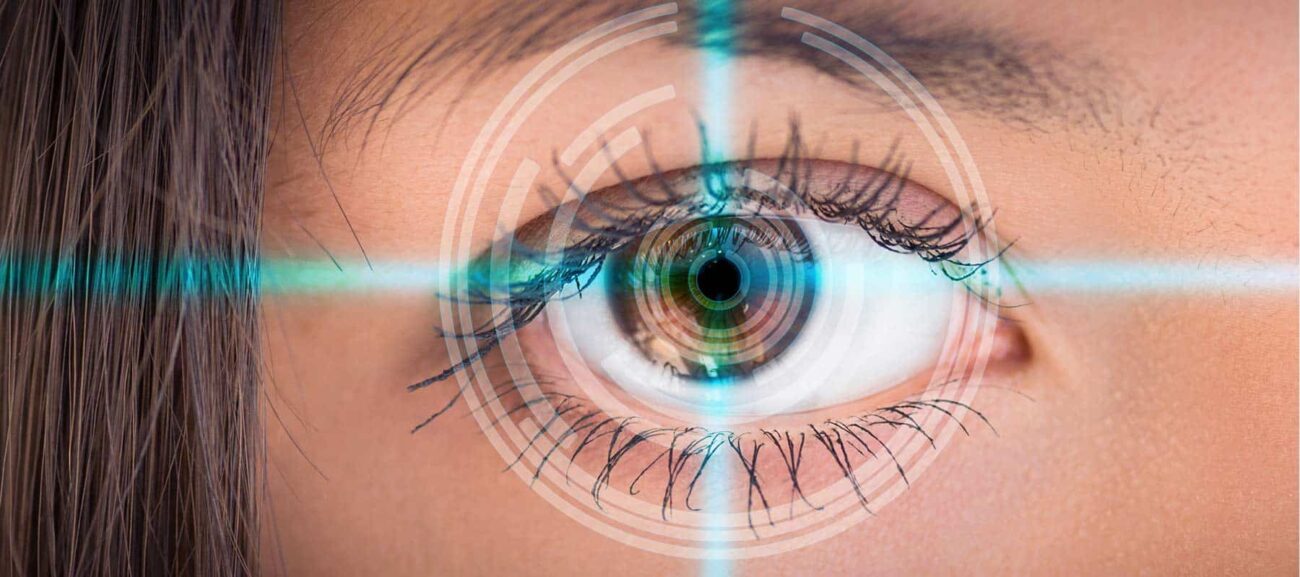
Technologies Used at the Best Center for Vision Correction Surgery in Jeddah
Correction of refractive errors such as myopia, hyperopia, astigmatism, and presbyopia has advanced well beyond simple glasses and contact lenses. Today, there are many vision correction options for patients to consider.
At Batal Specialized Complex, your surgeon can help you understand these options and guide you toward the best solution for your individual needs. The main technologies used at this leading vision correction center in Jeddah include:
Eyeglasses
Wearing prescription glasses is a simple way to correct refractive errors. Glasses offer improved vision with the flexibility to choose from various lens types, frame designs, and lens coatings tailored to different lifestyles, professions, and activities.
Contact Lenses
Contact lenses are a popular alternative to glasses. Soft contact lenses now come in many comfortable options, including colored lenses, multifocal (bifocal) lenses, and daily disposables. Extended‑wear contact lenses can be worn for up to 30 consecutive days and nights with minimal daily care.
LASIK
LASIK is the most common form of refractive surgery, although several alternatives now exist, such as PRK, LASEK, and Epi‑LASIK. The eye clinic at Batal Specialized Complex uses state‑of‑the‑art laser technology and extensive expertise to customize the procedure according to your unique visual needs.
Refractive Lens Exchange (Natural Lens Replacement)
Also known as refractive lens exchange (RLE) or clear lens extraction, this procedure involves removing your eye’s natural crystalline lens and replacing it with an artificial intraocular lens (IOL). This allows the surgeon to provide a new lens with improved focusing power, reducing your dependence on glasses or contact lenses.
Phakic Intraocular Lens (Phakic IOL) Implantation
In this procedure, a synthetic lens is implanted in front of your natural lens. It works by adding focusing power without removing the natural lens. Phakic IOLs can be particularly beneficial for patients with high degrees of myopia.
Prices of Vision Correction Surgery at Batal Specialized Complex in Jeddah
Patients frequently request price quotes by email or phone before scheduling an appointment. An accurate estimate, however, is a personalized quote that can only be provided once pre‑operative test results are available. At Batal Specialized Complex, prices for vision correction surgery start from 3,000 SAR.