
Med info
Teeth Grinding (Bruxism) | Causes, Symptoms, and Treatment

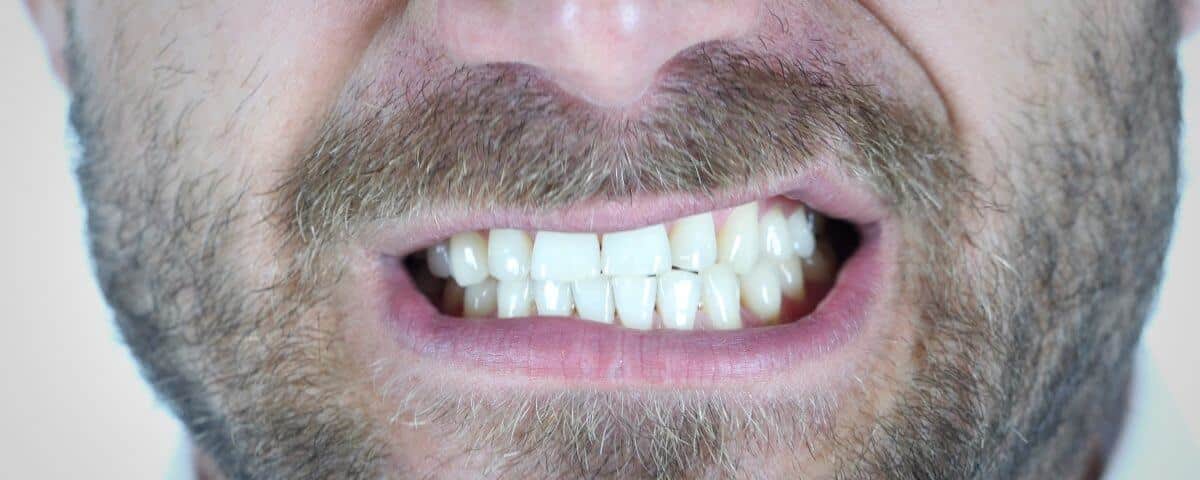
Teeth grinding (bruxism) is a medical condition that occurs more commonly in women and children. It is characterized by involuntary clenching and grinding of the teeth, most often at night during sleep. However, many episodes of teeth grinding also happen while awake, especially during periods of stress, anxiety, or deep concentration.
See also: Everything You Need to Know About Dental Bridges
Quick Overview of Teeth Grinding (Bruxism)
Most children outgrow this condition without needing treatment, except in severe cases. Adults can also develop this bothersome condition, and symptoms may be short‑lived or persist for months or even years, depending on the specifics of each case and the presence of complications such as worn or fractured teeth, temporomandibular joint (TMJ) disorders, and others.
Fortunately, there are several effective treatment options available for bruxism. The duration and complexity of treatment—before it can be considered a long‑term solution—depend on how severe the grinding episodes are, the underlying causes, and whether any complications are already present.
Causes of Teeth Grinding
The exact cause of bruxism is not fully understood, but several theories point to a combination of genetic, physiological, and psychological factors. In general, there are two main types of teeth grinding: awake bruxism and sleep bruxism.
Awake Bruxism
Sleep Bruxism
Primary (Habitual) Bruxism
See also: Tooth Sensitivity to Cold | Causes and Safe Ways to Manage It
Risk Factors Associated with Teeth Grinding
See also: Dental Crowns | Pros and Cons
Complications of Untreated Bruxism
See also: The Difference Between Dental Veneers and Crowns
Symptoms of Teeth Grinding
You should talk to your dentist if you experience any of the following symptoms, or if they become severe or persist for a long time:
See also: Tooth Fractures | Causes, Symptoms, and Treatment
Effective Treatment for Teeth Grinding
Mild or occasional episodes of teeth grinding usually do not require aggressive treatment. In more severe cases, treatment often involves one or more approaches, which may include preventive self‑care measures, behavioral therapies, and dental interventions such as restorative dental work, using custom mouthguards or night guards during periods of stress or while sleeping, certain medications, dietary modifications, and other helpful therapeutic methods.
In all cases, you can book an appointment at Batal Specialized Complex so that the dentist can perform a thorough examination of your teeth.
What Is the Difference Between Bruxism and TMJ?
Some people mistakenly use the term “TMJ” to describe a condition, but in reality TMJ is simply an abbreviation for the joint itself: the temporomandibular joint. The TMJ—also called the temporomandibular joint—is the jaw joint. You have two TMJs that connect your lower jaw to your skull, positioned opposite each other on both sides of your face.
Teeth grinding can put excessive strain on the TMJ and increase your risk of developing a temporomandibular joint disorder (TMD).
How Is Teeth Grinding Treated?

A custom‑made oral appliance can help treat teeth grinding. This soft device is worn in your mouth while you sleep. It adds a protective layer between your upper and lower teeth so you cannot grind them together unconsciously. This also helps relieve tension in your jaw muscles and joints.