
Med info
Scleral Buckle Surgery for Retinal Detachment | Al Batal Specialized Complex Guide

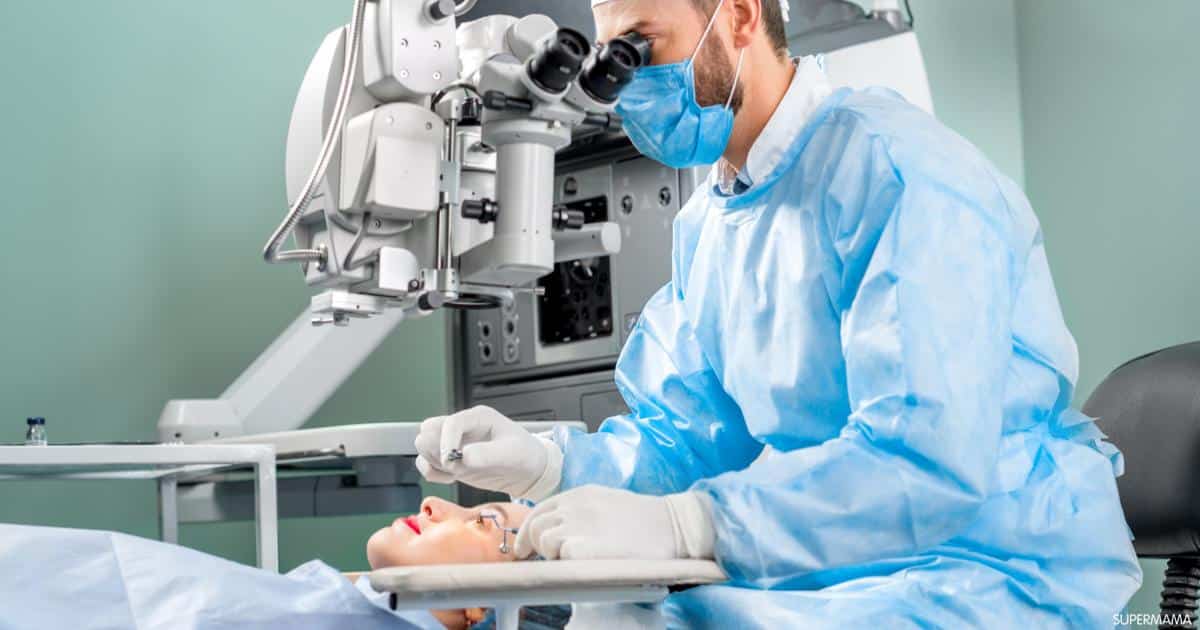
Scleral buckle surgery for retinal detachment (sometimes called scleral buckling) is performed to repair a detached retina. The retina is a thin layer of tissue lining the inside of the eye. When the retina pulls away from its normal position and is left untreated, it can lead to permanent vision loss. In some cases, the retina doesn’t fully detach, but a retinal tear develops.
Scleral buckle surgery can be used to repair a retinal tear and help prevent a full retinal detachment. During the procedure, the surgeon attaches a small piece of silicone (or sponge) to the white part of the eye (sclera) around the area of the retinal tear.
The buckle works by gently pushing the sclera inward toward the retinal break or tear, allowing the retina to reattach. The sclera is commonly known as the “white of the eye” and forms the outer supporting wall of the eyeball.
You can contact the Eye Center at Al Batal Specialized Complex in Saudi Arabia and book an appointment for a comprehensive eye examination to ensure your eyes are healthy, as well as to ask questions and receive advice about scleral buckle surgery for retinal detachment.
Also read: Seborrheic Blepharitis – Causes, Symptoms, and Treatment
When Is Scleral Buckling Necessary?
Scleral buckle surgery is used to treat several types of retinal detachment. Retinal detachment is a medical emergency that requires prompt evaluation and treatment. You can visit the Eye Center at Al Batal Specialized Complex for urgent assessment. Symptoms and warning signs of retinal detachment often include an increase in eye floaters.
Also read: Best Vision Correction Options in 2023 – In Detail
How Much Does Scleral Buckle Surgery for Retinal Detachment Cost Worldwide?
Globally, scleral buckle surgery typically costs between 3,000 and 5,000 USD in total. This usually covers the surgeon’s fee, anesthesia, and hospital charges. Because retinal detachment is considered a medical emergency, health insurance often covers this surgery, at least partially.
Also read: Eye Antibiotics | Do They Really Work Well?
How to Prepare for Scleral Buckling
Before scleral buckle surgery, the patient will need to arrange for someone to drive them home after the procedure. The doctor will explain which medications and foods should be stopped ahead of time.
There is usually an option to use general anesthesia, which allows the patient to sleep through the operation. In some cases, surgeons may allow the patient to remain awake with local anesthesia and sedation.
Also read: Non-Surgical Eye Lift – Detailed Information
How Does Scleral Buckling Work? (Procedure Steps)
Below are the general steps you can expect during scleral buckle surgery:
– The eye is numbed using local or general anesthesia, depending on the case and the surgeon’s preference.
– The surgeon identifies the location of the retinal tear or detachment using special instruments and an operating microscope.
– The retinal tear is usually treated first with cryotherapy (freezing) or sometimes laser to create an adhesive scar that helps the retina stick back to the underlying tissue.
– A silicone band or sponge (the “buckle”) is then sewn onto the outer surface of the sclera around the area of the retinal break.
– The buckle indents (buckles) the wall of the eye inward, bringing it closer to the retina and relieving the traction that caused the tear.
– In many cases, the surgeon may also drain any subretinal fluid or inject a gas or air bubble into the eye (pneumatic retinopexy as an adjunct) to help reattach the retina and keep it in place while it heals.
– The incisions are closed, and the eye is usually covered with a patch.
If the retinal detachment is small or limited, the doctor may use a temporary buckle. This can be removed once the eye has healed. Scleral buckle surgery for retinal detachment typically takes about 45 minutes, although it may be longer in complex cases.
Side Effects of Scleral Buckling
Scleral buckle surgery can affect vision in several ways. Because the buckle pushes on the outside of the eye, it can slightly change the shape of the eyeball. This change in shape may cause a refractive error, which can affect how clearly you see.
Your vision may continue to change for several months after scleral buckle surgery. A follow-up eye exam is usually recommended at around six months to check for any changes in vision.
You may need eyeglasses or contact lenses (or a new prescription) to correct these changes. The scleral buckle can also influence how the eye muscles work and how well they coordinate eye movements. This can lead to eye misalignment (strabismus) and double vision.
Complications and Risks of Scleral Buckling
Overall, scleral buckle surgery has a good success rate. However, complications can occur. Although they are uncommon, they can be serious. In rare cases, a person may lose vision in the affected eye or, very rarely, lose the eye itself.
If the patient has had previous eye surgery and there is already significant scar tissue, scleral buckle surgery may not fully repair the detachment on the first attempt.
The procedure may need to be repeated, and the ophthalmologist may have to remove existing scar tissue before proceeding. Pre-existing scar tissue can make it more difficult to reattach the retina.
Scarring and infection are among the most common complications. Other risks and complications associated with scleral buckling include:
– Increased intraocular pressure or glaucoma
– Bleeding inside the eye
– Recurrent retinal detachment
– Cataract formation or progression
– Double vision or eye misalignment
– Reaction to anesthesia
– Buckle extrusion or migration (rare)
You should contact your doctor immediately—and we specifically recommend the Eye Center at Al Batal Specialized Complex—if you experience any bleeding, fever, worsening pain, swelling, or decreased vision after surgery.
<h2>Recovery Time After Scleral Buckle Surgery for Retinal Detachment and Postoperative Care</h2>
Recovery from scleral buckle surgery usually takes about two to four weeks. Your doctor will give you detailed postoperative instructions. These include when you can restart your regular medications and how to take any prescribed pain medication after surgery.
In most cases, you can go home the same day, but you will need someone to drive you. Some discomfort is expected in the hours and days following the operation, and the pain generally improves within a few days.
Redness and swelling can persist for a few weeks after surgery. You will need to wear an eye patch for a few days. Antibiotic eye drops will be prescribed to help prevent infection, and you may need to use these drops for up to six weeks after surgery.
Swelling is common after scleral buckle surgery. Your doctor may recommend applying ice packs or cold compresses to the eye for 10–20 minutes at a time to reduce swelling. Some surgeons suggest using an ice pack during the first three days after surgery, about every one to two hours while awake. You should avoid exercising, doing strenuous housework, and lifting heavy objects during the early recovery period.
Also read: Eyelid Lesions – Types, Symptoms, and Treatment Options
Visual Outcomes After Scleral Buckle Surgery

In most cases, scleral buckle surgery successfully reattaches the retina. The chances of achieving good vision after surgery are higher if the macula (the central part of the retina responsible for detailed vision) is still attached at the time of surgery.
If the detachment has already involved the macula, good vision after scleral buckling is still possible but less likely. We recommend visiting the Eye Center at Al Batal Specialized Complex in Saudi Arabia, where a highly qualified team of ophthalmologists—among the most skilled in the Middle East—is available to evaluate and treat such conditions.
Also read: Thyroid Nodules | Causes, Symptoms, and Treatment of Thyroid Nodules