Med info
Rubbing Your Eyes After LASIK Surgery

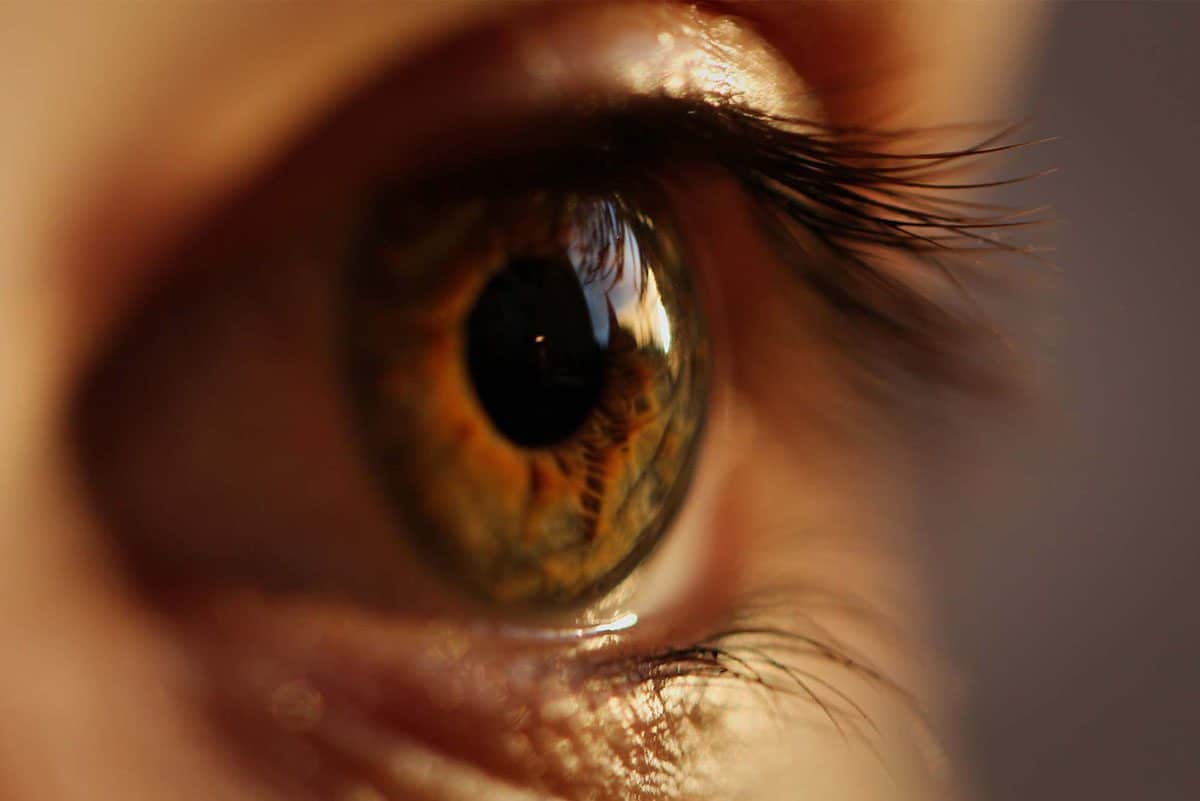
Right after LASIK, you’ll be sent home wearing a special protective pair of goggles or shield to keep your eyes safe while they heal. Eye protection is crucial during this period because the flap that was created in the cornea during surgery is now closing and reattaching as part of your body’s natural healing process.
Rubbing or touching your eyes at this stage can dislodge the corneal flap, interfere with healing, and negatively affect your vision. Although this complication is relatively rare, it is still important to be aware of it and to avoid it by following proper postoperative care instructions.
So how long should you avoid rubbing your eyes after LASIK? As a general rule, you should limit yourself to very gentle pressure (no rubbing) on the eyes during the first two weeks after surgery. After that, and for the next two months, gentle eye rubbing is usually considered acceptable.
Modern LASIK technology is one of the most advanced options for treating refractive errors (such as nearsightedness, farsightedness, and astigmatism). LASIK relies on using a laser to create a thin flap in the cornea, then reshaping the underlying corneal tissue according to each patient’s specific needs.
If you are in Saudi Arabia, you can contact the Eye Center at the Abtal Specialized Complex to book an appointment and discuss whether you are a candidate for this effective, safe, and virtually painless vision correction procedure.
Read also: Femto-LASIK Vision Correction Surgery
When Is It Safe to Rub Your Eyes After LASIK?
You should avoid rubbing your eyes for at least one month after surgery to allow the cornea and the precisely created flap to adhere and heal properly. During this period, you should also avoid swimming pools, hot tubs, and saunas for at least a month.
The eye is one of the greatest blessings we have, and it deserves special care. That’s why we recommend the Eye Center at the Abtal Specialized Complex in Saudi Arabia, which has highly experienced ophthalmologists and an excellent track record of patient outcomes.
Risks of Rubbing or Scratching Your Eyes After Laser Eye Surgery
You probably already know you’re not supposed to rub your eyes, but you may be wondering what could actually happen if you do.
Rubbing the Eyes After Surface Laser (PRK) or LASIK
You should not rub your eyes for about two months after LASIK and PRK. With LASIK, you want to avoid displacing the corneal flap; with PRK, you want to avoid disturbing the regenerating corneal epithelium.
Rubbing the eyes is generally considered safe about one month after procedures such as PCRI/AK and SMILE, when the tissue has had enough time to stabilize. Always follow your surgeon’s specific instructions.
When Does the Cornea Heal After Femto-LASIK?
The corneal flap begins healing immediately after surgery and is usually significantly healed within one to three days after the procedure. During this time, the outer surface of the cornea (the epithelium) seals the edges of the newly created corneal flap.
Cause of Eye Redness One Month After LASIK
Eye redness a month after LASIK is often related to dry eye. Many patients notice decreased tear production and dryness for several weeks to a few months after surgery. Dry eye is a common, temporary response to LASIK. Baseline tear production typically starts to return to normal over the following weeks or months of recovery.
When Does Vision Stabilize After LASIK?
Sleeping after LASIK can significantly help your recovery. However, you might feel too excited to test your new vision or anxious about your eye symptoms. One way to relax is to have a friend or family member play music, a podcast, or a show with the screen turned away from you. Having something in the background can be a welcome distraction. Music in particular can offer several benefits, such as helping you relax and fall asleep more easily.
If you don’t have someone with you after surgery, create a playlist in advance. That way, you won’t have to worry about setting up your comfort program or favorite podcast while your eyes are closed and resting.
Patients should wait at least 24 hours before showering after LASIK and at least two weeks before swimming or using a sauna. If you feel you must wash after surgery, you may take a careful shower as long as you avoid getting water, soap, shampoo, or other cleaning products into your eyes. You can safely wipe away daily facial dirt with a clean towel or washcloth while keeping the eyes protected.
LASIK Recovery Time
The eyes typically take about 2 to 3 months to heal structurally after LASIK. In many cases, vision becomes fully stable and clear by around 6 months. However, during the first several weeks to months, some patients may experience side effects such as blurry vision, visual fluctuations, glare, and halos, especially at night.
Treating Eye Inflammation After LASIK
The best way to reduce the risk of infection and inflammation after LASIK is to carefully follow the postoperative instructions given by your eye surgeon. These usually include using prescribed antibiotic eye drops and steroid eye drops. Antibiotics help prevent infection, while steroid drops reduce inflammation and promote smoother healing.
Contraindications and Restrictions After LASIK
Contraindications for laser vision correction (LVC) procedures such as LASIK, PRK, and SMILE include certain medications, abnormal corneal anatomy, autoimmune diseases, and specific periods in life when the cornea may be changing (such as childhood, pregnancy, and breastfeeding). Physicians should take a thorough medical and ocular history to ensure that laser vision correction is an appropriate and safe choice.
Trauma or a Blow to the Eye After LASIK
If your eye or eyelid is accidentally rubbed hard or hit, there is a possibility that the corneal flap could be displaced after LASIK, or that the corneal epithelium could be damaged after PRK. Any significant eye trauma after laser surgery should be evaluated urgently by your eye doctor.
Does Crying Affect LASIK Results?
It is generally safe to cry after LASIK. Whatever the reason for your tears, normal emotional tears will not harm your eyes or delay healing. In fact, crying can help keep the eye surface lubricated, which may support the healing process. Many patients naturally tear up immediately after sitting up from the LASIK procedure due to light sensitivity or emotional relief.
When Can You Wash Your Eyes After LASIK?
Post-LASIK Care Tips
The eyes are among the most important organs in the body, and they need special attention after surgery. Key recommendations after LASIK include:
– Strictly following all medication and eye drop instructions
– Avoiding rubbing or pressing on the eyes
– Wearing protective shields while sleeping as directed
– Avoiding swimming pools, hot tubs, and saunas for the period your surgeon recommends
– Limiting screen time initially and resting your eyes frequently
– Attending all scheduled follow-up appointments
Common Symptoms After LASIK
Common post-LASIK symptoms may include:
– Mild burning or a foreign-body sensation
– Light sensitivity
– Fluctuating or slightly blurry vision
– Halos or glare around lights, especially at night
– Temporary dryness or a gritty feeling in the eyes
Do not hesitate to contact the Eye Center at the Abtal Specialized Complex in Saudi Arabia. Their experienced team in the field of ophthalmology and LASIK surgery uses the latest technologies and the most advanced laser and refractive surgery techniques to help you achieve excellent visual outcomes.
When Can I Use My Phone After Laser Eye Surgery?
Most surgeons advise avoiding smartphone or screen use for at least 24 hours after LASIK. This helps prevent additional eye strain and exposure to light that might irritate the eyes during the very early healing phase. It is better to rest your eyes, stay in a dimly lit room, keep them closed as much as possible, and try to sleep to support recovery.
Top Frequently Asked Questions
Is blurry vision after LASIK normal?
Ophthalmologists confirm that some blurriness or “hazy” vision after LASIK is normal. It is common for patients to find that their vision is not perfectly clear immediately after surgery and that there is some degree of visual fluctuation or blur for a while.
What are the signs of LASIK failure?
Visual aberrations can include symptoms such as glare, double vision, ghosting or shadows, halos, starbursts, reduced contrast sensitivity, and difficulty seeing in low light or at night. Most patients do not experience significant aberrations, and some who develop mild issues have no noticeable symptoms and do not require additional treatment.
How do I know if my corneal flap moved after LASIK?
Signs that may suggest flap displacement include:
– Severe pain or sharp discomfort in the eye
– Marked blurring or sudden deterioration in vision
– Increased dryness or irritation
If you notice these symptoms, contact your surgeon immediately for evaluation and appropriate management.
Can LASIK cause blindness?
LASIK is not considered a common cause of blindness. The risk of severe, permanent vision loss is extremely low. In very rare cases where serious complications occur, they typically affect one eye only, since each eye is treated separately.
What happens if I rub my eyes after LASIK?

Rubbing the eyes too soon after LASIK can cause the corneal flap to shift, which may lead to prolonged blurriness and delayed visual recovery instead of improvement. If you suspect the flap has moved or notice worsening vision, pain, or marked discomfort after rubbing your eyes, you should see your doctor immediately for prompt evaluation and treatment.
Read more: What Is the Difference Between Femto-LASIK and Surface LASIK (PRK)?