Med info
Retinitis Pigmentosa | Symptoms, Causes, and General Information

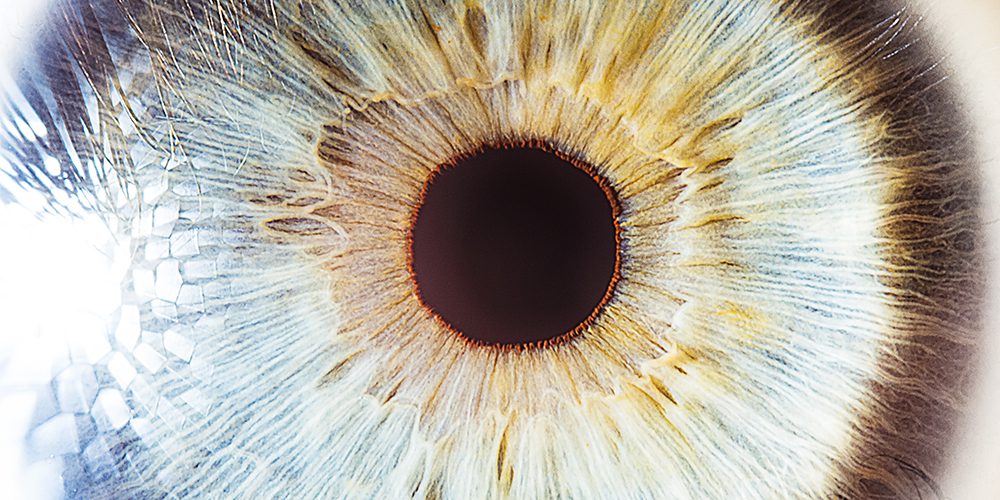
Retinitis pigmentosa, also known as RP, refers to a group of inherited disorders that cause degeneration of the retina and progressive vision loss. The retina is a thin layer of tissue that lines the back of the eye.
The rod and cone photoreceptors in the retina convert light into electrical signals that the brain interprets as vision. People with RP experience a gradual decline in their vision because these photoreceptors progressively deteriorate.
Forms of RP and related conditions include Usher syndrome, Leber congenital amaurosis, and Bardet–Biedl syndrome, among others.
See also: Driving after cataract surgery… is it possible?
[Related articles box – titles translated:]
– Seborrheic blepharitis: what you need to know
– Eyelid dermatitis: what you need to know
– How to treat blepharitis quickly
– Dacryocystitis: causes, symptoms, and treatment
– Optic neuritis symptoms: causes and…
– Acanthamoeba keratitis: causes and diagnosis
– What is bacterial conjunctivitis and how is it treated?
– Eyelid dermatitis: an overview
– Conjunctivitis (pink eye)
– Keratitis symptoms: causes and diagnosis
– Retinitis pigmentosa: symptoms, causes…
– Retinitis pigmentosa
– Corneal inflammation: risks and symptoms
– Conjunctivitis: types, causes, and treatment
– Symptoms of keratitis and information about treatment
– My experience with uveitis
– Eye infection in children
– Dry eye syndrome | Detailed information about one of the most common eye diseases
Symptoms of Retinitis Pigmentosa
Symptoms depend on whether the rods or the cones are primarily affected at the onset. In most types of RP, the rods are involved first. Because rods are concentrated in the peripheral retina and are activated in low light, their degeneration mainly affects peripheral and night vision.
Over time, the field of vision gradually narrows. As the disease progresses and cones become involved, visual acuity, color perception, and central vision decline. Night blindness is one of the earliest and most common symptoms of retinitis pigmentosa.
However, in people with primarily cone degeneration, the first problems are reduced central vision, impaired color discrimination, and difficulty seeing fine details. RP is most often diagnosed in children, teenagers, and young adults.
RP is a progressive disorder, and both the rate of progression and the degree of vision loss vary from person to person. Many individuals with retinitis pigmentosa are legally blind by about age 40, with a remaining central visual field of less than 20 degrees in diameter.
See also: What causes burst blood vessels in the eye?
Is Retinitis Pigmentosa a Genetic Disease?
Retinitis pigmentosa is mainly caused by mutations (variations) in a single gene inherited from one or both parents. The mutated gene gives incorrect instructions to the photoreceptor cells, causing them to produce an abnormal protein, or too little or too much of a certain protein. (Cells need the right amount of specific proteins to function properly.) Mutations in dozens of different genes have been linked to RP.
These gene mutations can be passed from parent to child through one of three main patterns of inheritance: autosomal recessive, autosomal dominant, or X‑linked.
In autosomal recessive RP, both parents carry one copy of the mutated gene and one normal copy, but they have no symptoms themselves. They are therefore called unaffected carriers. Each child then has a 25% chance of being affected if they inherit the mutated copy from both parents. If the child inherits only one mutated copy from either parent, they will be an unaffected carrier.
In autosomal dominant RP, usually one parent is affected and has a single mutated copy of the gene. Each child has a 50% chance of inheriting the mutated gene and developing the disease. Unaffected carriers do not play a known role in transmitting autosomal dominant RP.
In X‑linked RP, the mutated gene is located on the X chromosome. Females have two X chromosomes and may carry the disease gene on one of them. Because they also have a healthy copy of the gene on the other X chromosome, female carriers are less likely to develop full‑blown X‑linked disease or may have milder symptoms.
Males have only one X chromosome (paired with one Y chromosome), so they are more susceptible to X‑linked disorders. Affected males pass their Y chromosome to their sons and therefore never pass an X‑linked disease to their sons.
Female carriers have a 50% (1 in 2) chance of passing the X‑linked disease gene to their daughters, who then become carriers; and a 50% chance of passing it to their sons, who will then be affected by the disease.
See also: Is there a specific age limit for LASIK surgery?
Living with Retinitis Pigmentosa

There are many adaptive services, assistive devices, and resources available for people and families living with RP. You can book an appointment at Batal Specialized Complex for appropriate and helpful counseling, where a low‑vision specialist can recommend the tools and resources that best meet your needs.