Med info
Retinitis Pigmentosa

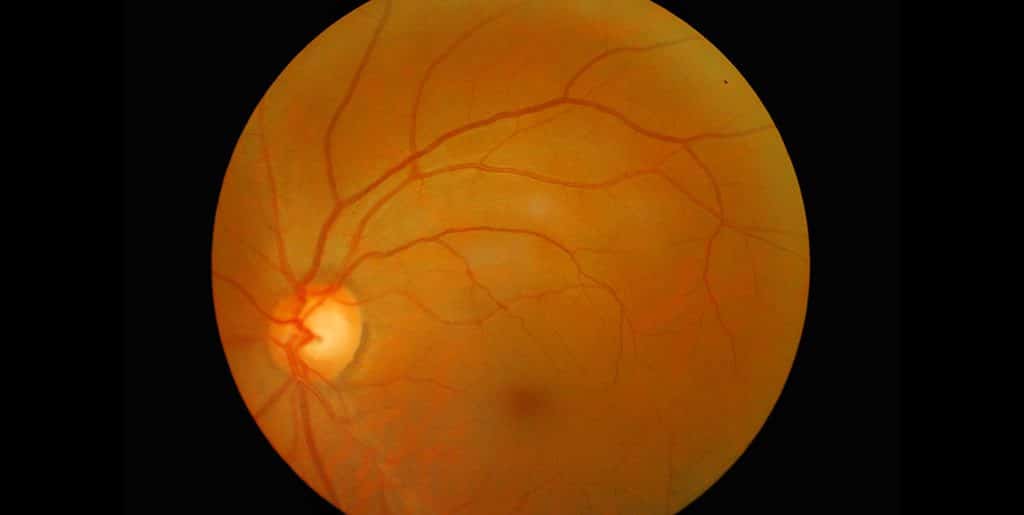
Retinitis pigmentosa (RP) is a term used for a group of eye diseases that can lead to vision loss. What they all have in common are specific changes that an ophthalmologist can see when looking at your retina—the layer of light‑sensitive tissue at the back of your eye.
When you have RP, the cells in the retina called photoreceptors do not function the way they should, and over time you begin to lose your sight. RP is a rare inherited disorder passed from parent to child, affecting about 1 in every 4,000 people. Nearly half of those with RP have another family member with the condition as well.
The retina contains two main types of light‑sensing cells: rods and cones. Rods are located around the outer ring of the retina and are active in dim light. Most forms of retinitis pigmentosa affect the rods first. As these cells degenerate, you lose night vision and your ability to see to the sides (peripheral vision).
Cones are concentrated mainly in the center of the retina. They allow you to see color and fine details. When RP starts to affect the cones, you gradually lose your central vision and your ability to distinguish colors.
You may also like: My Experience With Glaucoma and the Best Eye Drops for Treating It
RP usually begins in childhood, but the exact age of onset and how fast it progresses vary from person to person. In general, most people with RP lose a significant amount of their vision by early adulthood, and by around age 40 many are considered legally blind.
Because rods are typically affected first, one of the earliest symptoms you might notice is that it takes you longer to adjust to darkness—often called “night blindness.” For example, you may notice this when walking from bright sunlight into a dim movie theater. You may trip over objects in the dark or find that you are unable to drive at night.
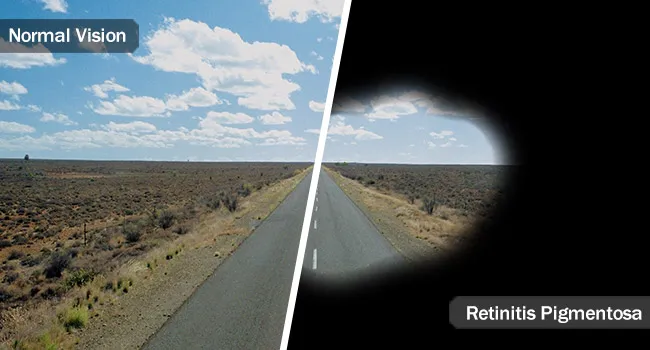
Loss of peripheral vision can occur at the same time or shortly after night vision worsens. You may develop “tunnel vision,” meaning you cannot see objects to the side unless you turn your head to look directly at them.
In later stages, cone cells can become involved. This makes detailed tasks more difficult, such as reading fine print or doing close work, and you may have trouble telling colors apart. In rare cases, cones are affected first. In these situations, bright light may become uncomfortable for you—your doctor may describe this symptom as photophobia. You may also start seeing brief flashes of light, a symptom known as photopsia.
You may also like: A Series of Questions After My Experience With Retinal Detachment

Causes of Retinitis Pigmentosa
Autosomal Recessive RP
Autosomal Dominant RP
X‑Linked RP
Diagnosis of Retinitis Pigmentosa
Ophthalmoscopy (Fundus Examination)
Visual Field Testing
Electroretinography (ERG)
Genetic Testing
Treatment of Retinitis Pigmentosa