
Med info
Retinal Tear | Causes, Symptoms, Treatment, and Complete Information

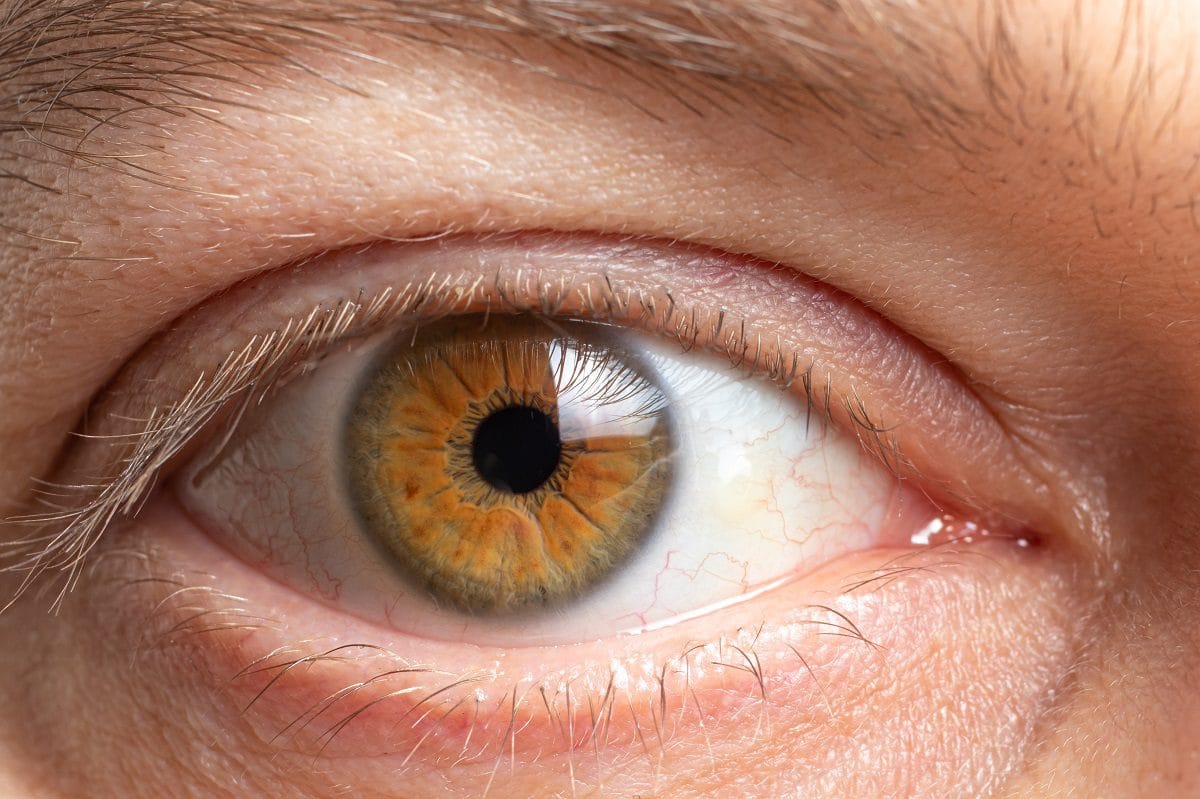
The retina is a light‑sensitive tissue that lines the inside of the back of the eye. It is responsible for collecting incoming light and sending visual signals to the brain. A retinal tear is a small break in this inner retinal lining.
It can be caused by a number of factors and may occur at any age. Aging, eye trauma, previous eye surgery, or severe nearsightedness (high myopia) can all lead to a retinal tear or even a retinal detachment.
If left untreated, a retinal tear can progress to a retinal detachment, which is a serious, sight‑threatening eye condition that can result in blindness. That’s why, if you suspect a retinal tear, the best step is to contact and book an appointment at Batal Specialist Center.
Read also: How long does eyelid lift surgery take?
Symptoms of a Retinal Tear
Read also: Droopy eyelids: causes, risk factors, symptoms, and treatment
What Causes a Retinal Tear?
The eye is filled with a substance called the vitreous, a gel‑like material. At birth, the vitreous is firmly attached to the retina. As we age, the vitreous gradually becomes more liquid and slowly separates from the retina in a process known as posterior vitreous detachment (PVD).
In most people, this process occurs without complications. However, if the vitreous pulls away suddenly or abnormally, it can tug on the retina and cause it to tear. Some people have a more “sticky” or dense vitreous, which makes it easier for the retina to tear.
Another major cause of retinal tears is eye trauma. A strong, blunt injury to the eye can bruise or scar the retina, making it more vulnerable to tearing.
Read also: Deep‑set eye cosmetic surgery | Surgical options and non‑surgical techniques
Read also: Can you have laser eye surgery twice?
Treatment of a Retinal Tear
Retinal tears are usually treated surgically with laser photocoagulation or cryotherapy (freezing treatment). Both procedures are considered very safe and highly effective. They work by sealing the retina back onto the back wall of the eye and preventing fluid from leaking underneath the retina.
The prognosis for a retinal tear is generally very good when it is detected early, which makes regular comprehensive eye exams that include a retinal evaluation essential for all adults.
In some cases of very small or minor retinal tears, no immediate treatment is necessary. If the tear is not causing symptoms, close observation and regular follow‑up may be all that is required.
Read also: Can you exercise after laser eye surgery?
After Retinal Tear Treatment
After treatment, your ophthalmologist will schedule follow‑up eye exams to monitor any changes in your retina and overall eye health. Inform your eye doctor right away if you notice any changes in your vision or develop new symptoms that could indicate a problem.
Read also: Nystagmus: causes, symptoms, treatment, and everything you need to know
Do both retinal detachment and glaucoma cause vision loss?
Yes. In people with glaucoma, vision loss occurs because of abnormally high pressure inside the eye, which leads to permanent damage to the optic nerve—the nerve that carries visual information from the eye to the brain.
Is retinal detachment the same as diabetic retinopathy?
Does retinal detachment happen suddenly?
Retinal detachment can occur either suddenly or gradually, depending on the underlying cause. When trauma or an eye injury is responsible, the detachment usually happens suddenly. This may be due to the vitreous pulling on the retina, causing it to tear and detach from the back of the eye.

In age‑related retinal detachment, the vitreous may tug or rub on the retina for some time before the retina finally detaches. In many cases, the vitreous pulls on the retina and causes flashes of light (one of the warning signs of retinal detachment), but no actual retinal tear or detachment develops