Med info
Retinal Examination

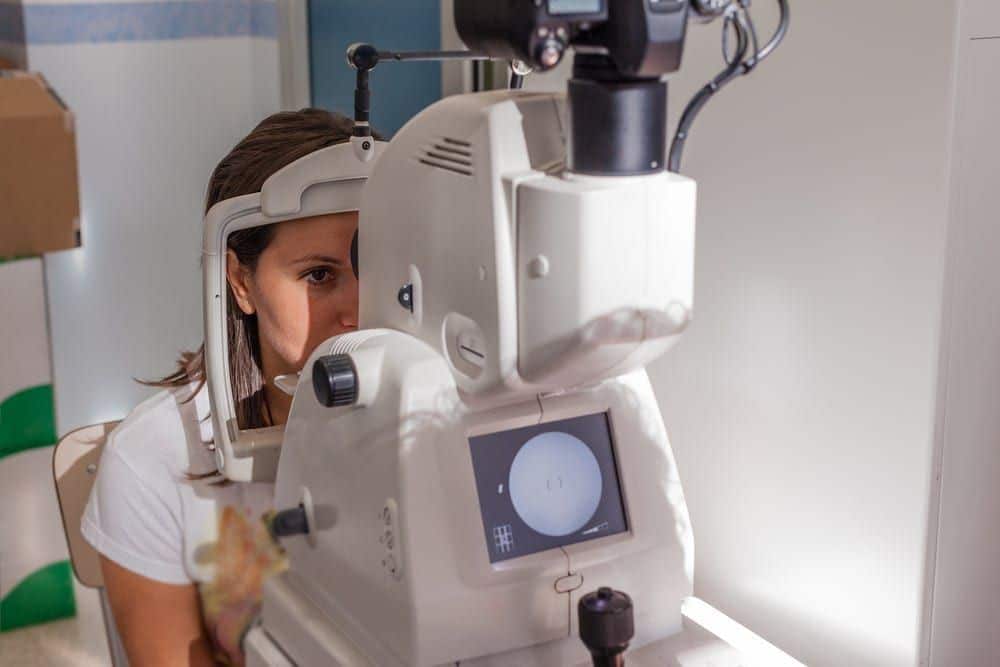
When you visit a retina specialist, they will use special instruments and lenses designed to directly visualize the retina. A direct retinal examination is often the most important part of the overall eye evaluation. General ophthalmologists also use many of the same tools as retina specialists, and most patients are already familiar with these devices.
In most cases, eye drops are used to dilate the pupil at the time of the retinal exam. Pupil dilation allows the doctor to thoroughly examine both the central and peripheral retina. After the examination, the pupil may remain dilated for several hours. Most people are able to drive home after receiving dilating drops; however, we recommend bringing a friend or family member to drive you if you have never had your pupils dilated before, or if you have experienced blurred vision in the past after dilation.
The slit lamp and the indirect ophthalmoscope are two key tools used by retina specialists to examine the retina with special lenses and relatively bright light sources. These instruments allow the doctor to view the retina directly. Although the lights used during retinal examination can be uncomfortable, they are not harmful to the eyes.
If any abnormalities are detected during the retinal exam, additional diagnostic tests may be required for a more detailed or targeted assessment. For this reason, you should consider visiting the Eye Center at Al-Batal Specialized Hospital in Jeddah, Saudi Arabia, for information, thorough evaluation, and comprehensive care, as the center is known for its excellent medical services and highly experienced ophthalmologists.
Read also: Optic Nerve: What You Need to Know About It
Slit-Lamp Examination
A slit-lamp biomicroscope is an instrument used to examine the retina while the patient is seated upright. It uses a bright beam of light to illuminate the inside of the eye with the aid of a magnifying lens. Using the slit lamp, the ophthalmologist can view the macula and the optic nerve in great detail.
Indirect Examination
An indirect ophthalmoscope is another magnifying device used to examine the peripheral retina. The patient is usually examined either sitting upright or lying on their back. The doctor wears a head-mounted device that includes special mirrors, lenses, and a light source, used together with a handheld lens. This allows the physician to carefully inspect different areas of the peripheral retina.
Sometimes, the indirect examination is combined with a maneuver called scleral indentation, in which gentle pressure is applied to the eyelids to better visualize the farthest peripheral regions of the retina.
The Importance of Retinal Examination
Regular eye examinations are just as important as routine checkups for the rest of your body. Even if you have not noticed any changes or problems with your vision, there may be a condition developing that requires treatment. The best way to detect these issues early is to schedule regular visits with your eye doctor, and these visits should include a retinal examination.
Read also: Fundus Examination (Dilated Eye Exam)
What Is a Retinal Examination?
A retinal examination allows the ophthalmologist to assess the structures at the back of the eye. The pupil is first dilated, and then the eye doctor shines a bright light into the eye and looks through a microscope to evaluate the optic nerve, the retina, and the retinal blood vessels. The overall process consists of four main components.
What Can a Retinal Examination Diagnose?
A retinal examination can help diagnose conditions such as high blood pressure–related eye changes (hypertensive retinopathy), diabetic retinopathy, retinal tears, and retinal detachment. Some of these problems may not cause obvious symptoms in their early stages, which makes the exam essential for early detection.

Contact the Eye Center at Al-Batal Specialized Medical Complex in Jeddah, Saudi Arabia, to schedule a retinal examination with an eye care specialist, or visit the center to access the medical services you may need.
Read also: Optic Nerve Examination