
Med info
Retinal and Vitreoretinal Diseases and Surgery | Batal Specialty Center Guide

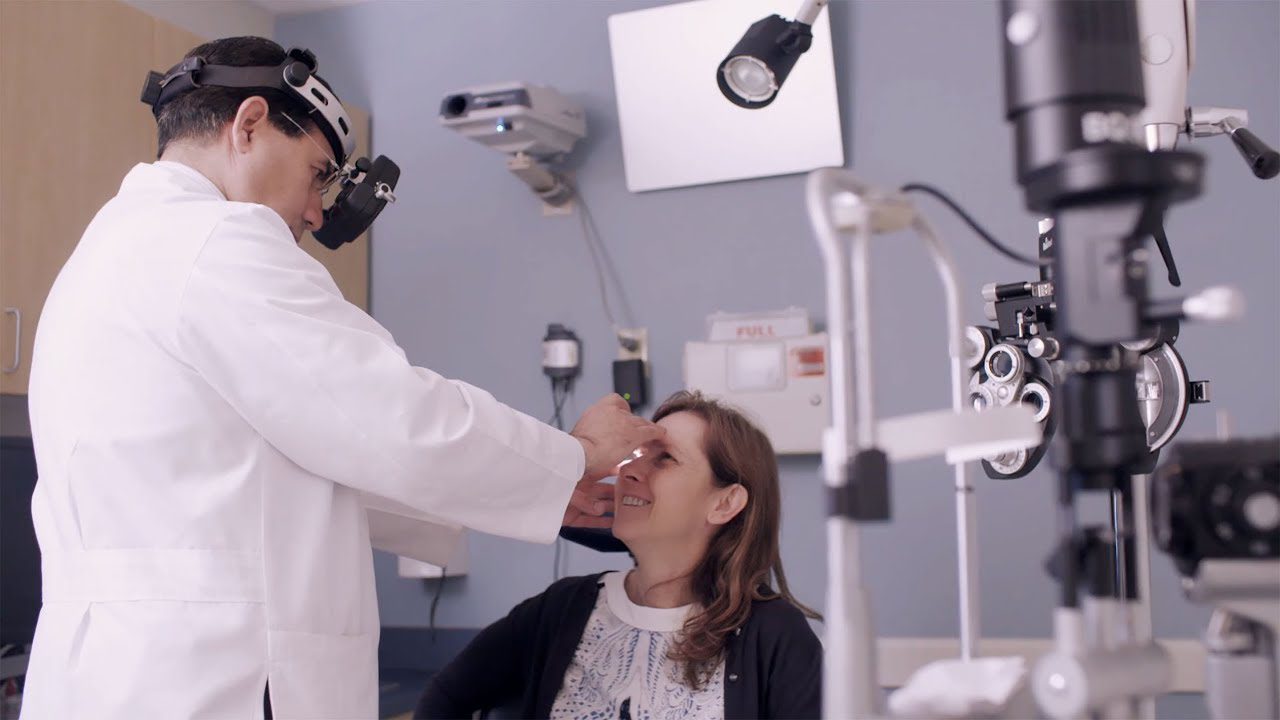
Retinal and vitreoretinal diseases are a group of eye conditions that affect the retina and the vitreous body inside your eye. These structures often become damaged as we age and can lead to eye problems that may affect your vision.
Age-related macular degeneration is a common condition that affects the macula and the vitreoretinal interface in people over 50. It damages the macula and weakens central vision. Fortunately, there are several options to manage symptoms, including medical and surgical treatments.
Posterior vitreous detachment occurs naturally in everyone and typically develops after the age of sixty. As we get older, the vitreous gradually separates from the retina, usually without causing any issues. However, complications such as retinal tears or retinal detachment can sometimes occur during this process.
A retinal tear can be caused by eye trauma, but most often it results from posterior vitreous detachment. In some people, retinal tears are mild and do not cause serious symptoms. However, more extensive tears can progress to retinal detachment, in which case surgical treatment is essential.
Vitreoretinal surgery refers to any surgical intervention performed on the vitreous or the retina. With modern advances in ophthalmic surgery, retinal and vitreoretinal procedures are now minimally invasive, highly effective, and generally associated with relatively quick recovery times.
Not all retinal and vitreoretinal diseases require surgery. For those that do, several surgical options are available. Vitrectomy, laser therapy, cryotherapy, photodynamic therapy, and conventional eye surgery are all established treatment techniques for different vitreoretinal conditions.
If you’re experiencing symptoms suggestive of a retinal or vitreoretinal disorder, you should talk with an ophthalmologist about the treatment options that may be appropriate for you. In mild cases, surgery may not be recommended, since many vitreoretinal symptoms can gradually improve on their own. In more severe cases, retinal and vitreoretinal surgery can be an excellent treatment option.
Also read: Driving After Cataract Surgery – Is It Possible?
What Are Retinal and Vitreoretinal Diseases?
Retinal and vitreoretinal diseases are eye conditions that affect the retina and the vitreous body. The vitreous is a gel-like substance that fills the inside of the eye and helps it maintain its round shape. The retina is the light-sensitive layer at the back of the eye that focuses the images you see and sends that visual information to the brain. When either of these two structures is damaged for any reason, both your eye health and your vision may be at risk.
Also read: Dry Eyes vs. Allergies | How to Tell the Difference
Age-Related Macular Degeneration
Macular degeneration, formally known as age-related macular degeneration (AMD), is the loss of central vision due to damage to a part of the retina called the macula. There are two main types of AMD: dry AMD and wet AMD.
Dry AMD is the more common form, accounting for about 80% of AMD cases. It is characterized by the buildup of small protein deposits (drusen) and gradual thinning or weakening of the macula. Currently, there is no definitive cure for dry AMD.
Wet AMD is less common but more serious than the dry form. Its hallmark is the growth of abnormal blood vessels beneath the retina. When these vessels leak, they can scar the macula, leading to rapid and often significant changes in vision.
Also read: What Causes a Broken Blood Vessel in the Eye?
Posterior Vitreous Detachment
Posterior vitreous detachment (PVD) is a condition in which the posterior vitreous cortex separates from the neurosensory retina. Unfortunately, it is easy to develop PVD without realizing it, because the symptoms can be subtle and nonspecific.
Common symptoms include new floaters or a change in existing floaters, the appearance of cobweb-like strands in the vision, and brief light flashes or shadows. Your ophthalmologist will be particularly concerned about ruling out a retinal tear or retinal detachment when evaluating you for PVD.
Also read: Cost of Eye Fluid (Vitrectomy) Removal Surgery
Retinal Tear or Detachment
Retinal tears are small breaks that form in the retina. They not only impair your vision, but also signal the need for prompt intervention. Tears can progress to retinal detachment, and a detachment threatens major—sometimes permanent—vision loss if not treated quickly.
When treated early, retinal tears can usually be managed with relatively low-risk procedures. The two most common methods are cryotherapy (freezing treatment) and laser photocoagulation. Retinal detachment itself may require conventional retinal surgery, laser procedures, cryotherapy, or a combination of these techniques.
Also read: Post-LASIK Instructions | Important and Helpful Details
Retinal and Vitreoretinal Surgery

Retinal and vitreoretinal surgery refers to operations performed deep inside the eye to preserve or restore vision. A variety of conditions can lead an ophthalmologist to recommend one of these surgical procedures, including: