Med info
Reading Glasses: The Most Effective and Affordable Solution for Vision After Forty

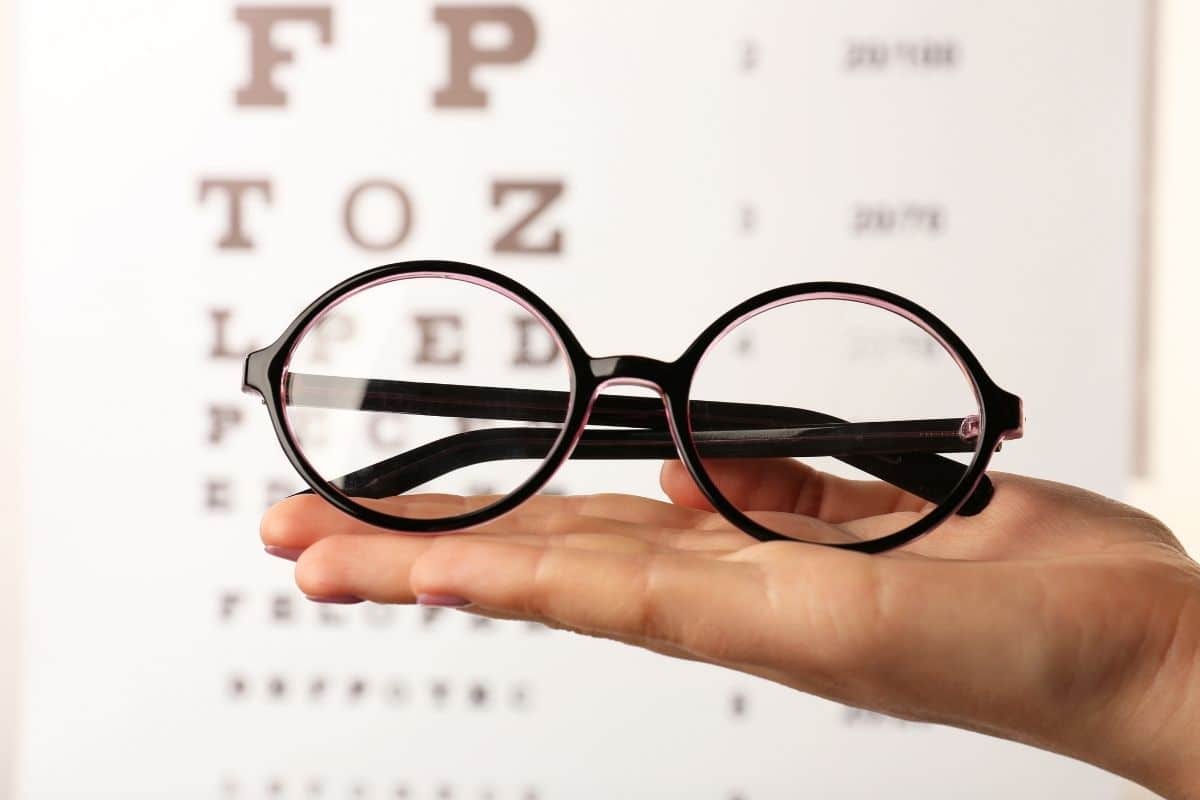
Reading glasses are the most affordable yet effective solution for people who develop presbyopia. After the age of forty, the eye’s ability to focus on near objects gradually decreases, and many people begin to need visual aids such as reading glasses. Ready-made reading glasses are manufactured with fixed powers based mainly on age ranges and are sold in pharmacies and optical stores without a prescription, even though they are often marketed there as “medical reading glasses.”
For people who have just started to experience presbyopia, the first thing they notice when choosing reading glasses is the numbers or markings such as +1, +1.5, +2.25, +3, +3.5, or +4. These numbers represent the lens power (diopters). In other words, someone who needs only mild correction (slight blurring at near) might use reading glasses with a power such as +1.25, while someone with more significant near-vision difficulty may need a stronger pair, up to +3.
Lens strength can often be roughly estimated based on age. Most people over forty start with a power of +1.00 or +1.25, then typically need an additional +0.50 diopter every ten years or so. However, most people who are using reading glasses for the first time do not usually need high corrective power. The most commonly used powers range between +1.00 and +3.00.
Although off‑the‑shelf reading glasses do not require the same precise prescription as custom eyeglasses made by an optometrist or ophthalmologist, finding the right power is still very important. Wearing the wrong strength can lead to headaches, dizziness, nausea, and general discomfort, especially with frequent use.
Non‑prescription reading glasses are not suitable for people with astigmatism. Anyone who has astigmatism (irregular curvature of the cornea or lens) should consult an eye doctor and use prescription lenses specifically tailored to their eyes.
Learn more about: Laser Eye Surgery for Vision Correction 2025

Do Reading Glasses Weaken Your Eyes?
Reading glasses sharpen and clarify your vision; they do not weaken the eyes. These lenses change the way light focuses on the retina, which makes near objects appear clearer when you wear them. However, they do not cure or reverse any underlying eye condition.
Because near vision naturally worsens with age, your eyesight will continue to change over time whether or not you wear glasses. This can make some people feel as if the glasses are causing their vision to deteriorate, but in reality the main factor is aging itself, not the use of reading glasses.
Can You Wear Reading Glasses All Day?
Reading glasses are designed for close‑up tasks such as reading books, sewing, using your phone, and other near activities. If you notice that you increasingly need to wear them throughout the day—for example, for both near and intermediate distances—it is important to have a comprehensive eye exam. In that case, prescription eyeglasses tailored to your specific needs will likely be a better option than relying on over‑the‑counter readers.

Reading Glasses and Computer Use
Are regular reading glasses suitable for computer work? Standard reading glasses are optimized for a reading distance of less than about 18 inches (around 45 cm). The typical viewing distance for a computer screen, however, is between 20 and 50 inches (about 50–125 cm). For that reason, ordinary reading glasses may not be ideal for computer use.
Instead, many people benefit from “computer glasses,” which are designed specifically for intermediate distances. Because much of what we do on a computer involves reading text, some people refer to them as “computer reading glasses.”
You may need computer glasses if you begin to experience eye strain, blurred vision, or difficulty maintaining focus on the screen—symptoms that are often related to age or prolonged screen time.
The Best Ways to Stop Relying on Reading Glasses
While reading glasses do not damage vision even with long‑term use, some people find them inconvenient or uncomfortable—especially if the power is not quite right, they are not used to wearing glasses, or for other personal reasons. In these situations, eye relaxation exercises may help improve visual comfort at near and reduce the need for reading glasses during some activities.
Eye Exercises to Improve Vision Instead of Reading Glasses
One simple exercise is to move your eyes slowly from the far right to the far left, then from the top to the bottom, repeating this several times in a row. Another is to move your eyes diagonally in an “X” pattern multiple times.
To notice any potential benefit, these exercises need to be done regularly and consistently. They may help reduce eye strain and improve comfort, but they do not replace medical evaluation or proven treatments for refractive errors such as presbyopia.
Eye Surgery as an Effective Alternative to Reading Glasses
It is also possible to reduce or eliminate dependence on glasses by undergoing eye surgery, such as cataract surgery in cases of age‑related cataract (clouding of the natural lens). During this procedure, the ophthalmologist removes the eye’s natural, cloudy lens and replaces it with an artificial intraocular lens (IOL).
The surgery is performed separately for each eye, and the procedure typically takes about 10 to 12 minutes per eye. Depending on the type of IOL selected (for example, monofocal, multifocal, or extended depth‑of‑focus lenses), many patients experience significant improvement in both distance and near vision and may be much less dependent on reading glasses afterward.

Temple‑less Reading Glasses
Temple‑less reading glasses are designed without the traditional side arms that rest on the ears. Instead, they grip the nose or sit directly on the face, staying in place without slipping, and they can often be bent or twisted without breaking.
In our optical store located inside Al Batal Specialized Complex, we offer a variety of temple‑less reading glasses in addition to a wide selection of high‑quality prescription eyewear. Our collections include unique and stylish designs suitable for different tastes and age groups.
Learn more about:
Reading Glasses and Their Daily Side Effects

The Difference Between Reading Glasses and Regular Eyeglasses