
Med info
Pupil-Dilating Eye Drops

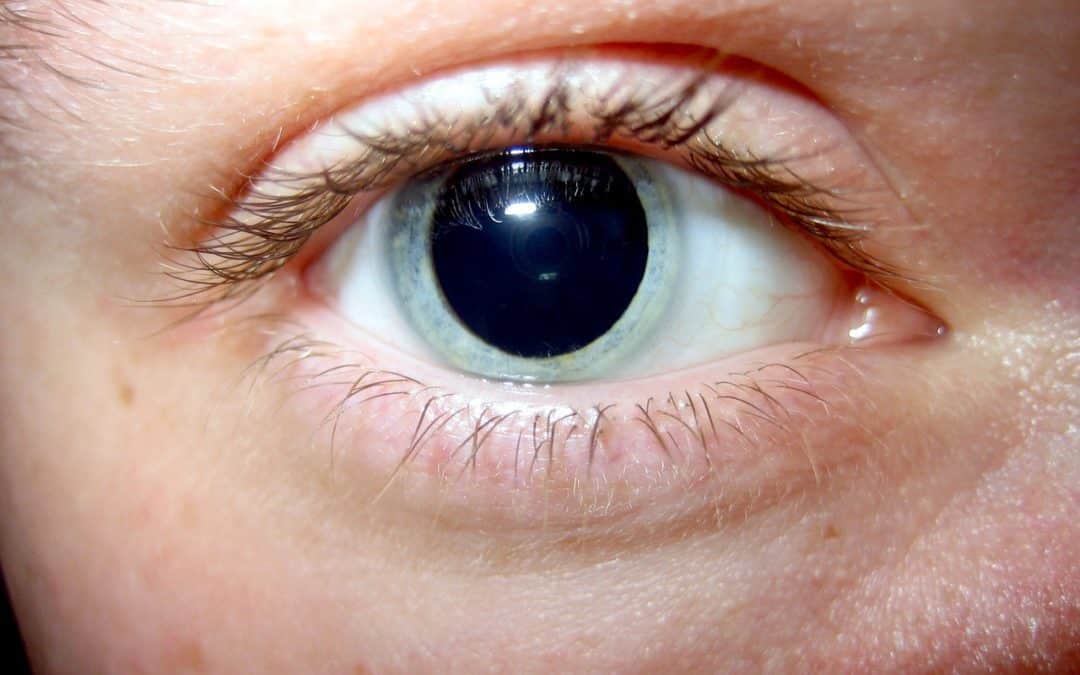
An eye doctor will place a small amount of dilating eye drops into each eye. It usually takes about 20 to 30 minutes for the pupils to fully open. Light-colored eyes (such as blue or green) tend to dilate faster than brown eyes. While your pupils are dilated, your vision will be blurry and more sensitive to bright light, and it will be harder to focus on nearby objects. If your eyes are being dilated for an exam, you should bring sunglasses to help with glare and light sensitivity when you leave the clinic.
The effects of dilating eye drops last from a few hours to several hours. Your eye doctor cannot predict exactly how blurry your vision will be or how long it will last, as this depends on the type of dilating drop used and how your eyes respond. It may not be safe to drive after pupil dilation, so you should arrange for someone to drive you home after the appointment.
If you have any questions before or after pupil dilation, talk with your eye doctor or visit the Eye Center at Al Batal Specialized Complex in Jeddah, Saudi Arabia, which offers excellent medical services and experienced ophthalmologists.
Read also: Causes of Blurred Vision and Everything Related to It
The Importance of Pupil Dilation
When you are exposed to bright light, your pupil becomes smaller to prevent too much light from entering the eye and damaging the back of the eye, including the retina. In a dark room, the pupil enlarges to let more light in, which improves vision in low-light conditions. So why does your eye doctor need to dilate your pupils during an eye exam?
When the pupils are dilated, they give the eye doctor a much clearer and wider view of the back of the eye, including the retina and the optic nerve. Examining the retina and optic nerve is extremely important for diagnosing, preventing, and treating eye diseases such as glaucoma and macular degeneration. Both conditions can lead to vision loss if left untreated. Without dilation, the doctor can still see the back of the eye, but the view is very limited and does not allow a full, accurate assessment of the retina.
Read also: Benefits of Cold Compresses for the Eyes
How Do Pupil-Dilating Eye Drops Work?
There are several different types of dilating drops, and each type lasts for a different amount of time. A commonly used one is 2.5% phenylephrine. This is a clear, colorless, sterile topical eye solution that prevents the iris muscles (the colored part of the eye) from constricting the pupil, causing it to dilate.
Once the pupil is dilated, you may experience some light sensitivity because more light is entering the eyes. You may also have blurry vision because the iris muscles can’t contract properly to allow focusing. Dilating drops affect everyone differently; the effects can last from a few hours to several hours, depending on the specific drops used.
To help with the effects of dilation, you can bring sunglasses to wear after the exam to ease light sensitivity. If you’re concerned about blurred vision and how long it might last, discuss your concerns with your eye doctor or visit the Eye Center at Al Batal Specialized Hospital in Jeddah for evaluation and comprehensive care.
In general, pupil dilation is painless and is a very important diagnostic tool that eye doctors use to help diagnose and treat eye conditions. An annual dilated eye exam is recommended. Tolerating a few hours of light sensitivity and blurred vision is well worth it compared to the risk of future vision loss due to skipping a thorough eye health check. Do not hesitate to talk with your eye doctor about any concerns or doubts you have regarding a dilated eye exam.
There are two main types of drops: one type stimulates the muscles that enlarge the pupil (such as phenylephrine), and the other type relaxes the muscles that constrict the pupil and also relaxes the ciliary muscle that focuses the eye’s lens (such as cyclopentolate). These medications are often used together, and sometimes the drops are administered as a spray.
Read also: What Are the Symptoms of Eye Cancer?
Why Are Dilating Drops Necessary?
Pupil dilation allows the doctor to examine the inside of the eye in order to diagnose and treat eye diseases. Relaxing the focusing muscles of the eye also allows for a more accurate measurement of refractive error (the need for glasses) in children. Finally, dilating eye drops are sometimes used therapeutically to treat certain eye conditions, such as myopia (nearsightedness), eye inflammation, or progressive myopia.
How Long Do Pupil-Dilating Drops Last?
The dilating drops used for routine eye exams typically last from 4 to 24 hours, depending on the strength of the drop and on each individual patient. Dilation tends to last longer in people with light-colored eyes. In some cases, a child’s pupils may remain dilated for more than 24 hours, although weaker drops are usually used for children and newborns.
Dilating drops are sometimes used to treat specific eye diseases, such as myopia and ocular inflammation. These therapeutic dilating drops (such as atropine and homatropine) can have much longer durations of action, sometimes up to 2 weeks. When treating progressive myopia, a much lower concentration of atropine is used to reduce potential side effects.
Read also: My Experience with Droopy Eyelid (Ptosis)
What Are the Side Effects of Pupil-Dilating Drops?
You may notice light sensitivity and blurry vision, but these side effects gradually wear off. Sunglasses can be helpful after a dilated eye exam. Children can usually return to school, but teachers should be aware that reading may be difficult for a while because of blurred near vision. Allergic reactions are rare, but can include eyelid swelling and eye redness.
Side effects of atropine (which has a longer duration of action) can include fever, dry mouth, and a rapid heartbeat. For controlling the progression of myopia (progressive nearsightedness), atropine is used in a much lower concentration (0.01%), which significantly reduces side effects such as blurred vision.
Do Dilating Eye Drops Burn or Sting?

Like most eye drops, there may be some brief stinging or burning right after the drop is instilled. A topical anesthetic (numbing eye drop) can be used before the dilating drop to make the patient more comfortable.
Read also: Does Nearsightedness Cause Blindness?