Med info
Pros and Cons of LASIK Eye Surgery

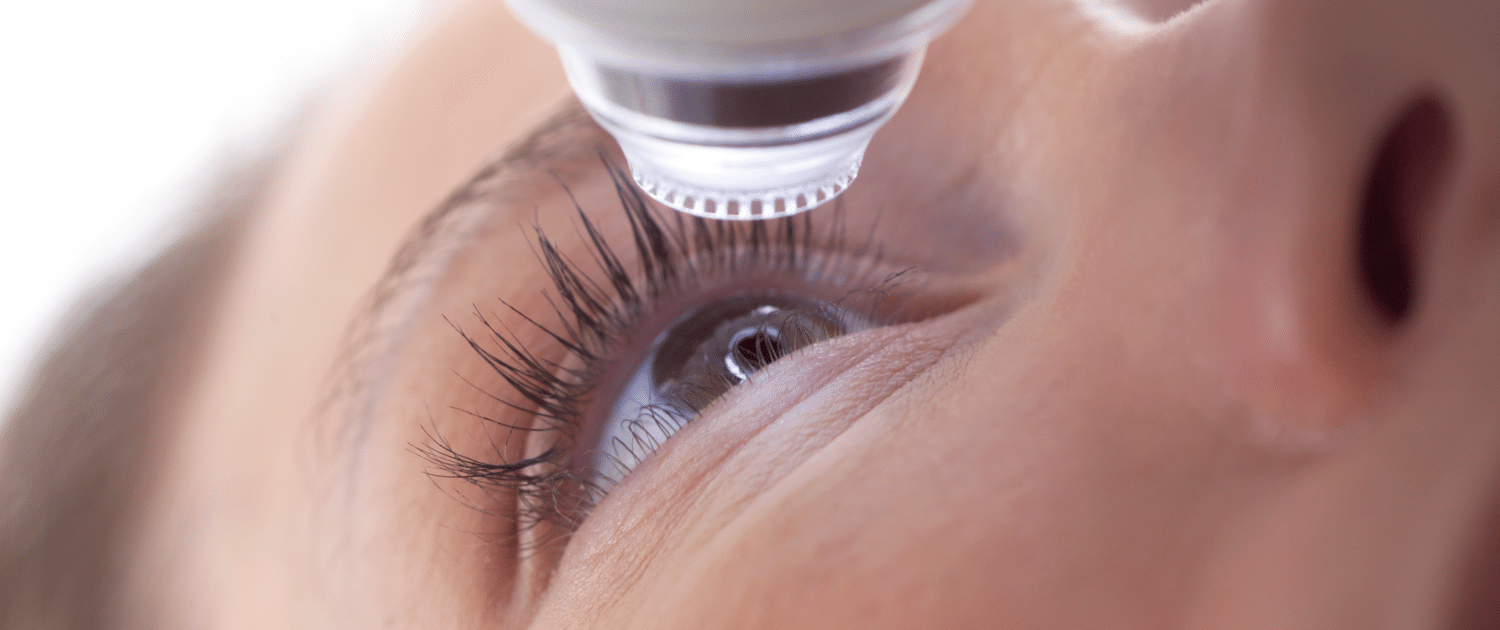
LASIK eye surgery is a corrective procedure performed on a very delicate part of the eye. Millions of people have undergone LASIK to correct their vision, and many have achieved excellent results. However, not everyone is an ideal candidate. LASIK is a type of laser eye surgery that permanently reshapes the cornea to correct refractive errors.
In this article from Batal Specialized Complex, we explain whether vision can return to 6/6 (20/20) after LASIK, the eligibility criteria for laser eye surgery, what to avoid after LASIK, and when vision typically stabilizes. We will also address the appropriate age range for LASIK. At Batal Specialized Complex, LASIK is performed in our ophthalmology clinics using the latest techniques and expertise.
What Is LASIK Eye Surgery?
If you wear glasses or contact lenses, you may be considering surgery to correct your vision. During a LASIK procedure, a laser is used to reshape the cornea—the clear, dome-shaped front surface of the eye—to improve how light is focused onto the retina. LASIK stands for “Laser-Assisted in Situ Keratomileusis.”
Before deciding on this surgery, there are several important points to consider:
Types of LASIK Performed at Batal Specialized Complex
LASIK is approved by the U.S. Food and Drug Administration (FDA). At Batal Eye Clinic, we use state-of-the-art femtosecond laser and FDA-approved excimer laser platforms. The types of LASIK procedures offered at Batal Specialized Complex include:
The original text does not list the specific types; they would normally be enumerated here (e.g., Femto-LASIK, Custom LASIK, etc.).
Factors That May Lead to LASIK Eye Surgery

Refractive errors occur due to imperfections in the eyeball, cornea, or lens—or, in the case of presbyopia, when the lens can no longer change shape sufficiently to focus on near objects. The main refractive errors include these conditions, and they are among the common reasons people consider LASIK:
Again, the original text references “the following types” but does not list them (e.g., myopia, hyperopia, astigmatism, presbyopia).
Patient Requirements Before LASIK
LASIK is not appropriate for everyone, especially in cases such as:
The source text indicates that LASIK is not for everyone but does not detail the contraindications (e.g., unstable prescription, thin cornea, certain corneal diseases, pregnancy, autoimmune diseases, etc.).
How LASIK Is Performed at Batal Specialized Complex
LASIK is an outpatient procedure. The only anesthesia used is numbing eye drops to anesthetize the surface of the eye. Surgery usually takes about 10–15 minutes per eye. In many cases, both eyes are treated during the same session, but sometimes surgeons prefer to wait (days or even weeks) to evaluate the result in one eye before operating on the other.
The surgical steps include moistening the eye and placing a suction ring to keep the eye still and the cornea in position. A specialized device then creates a hinged flap of thin corneal tissue from the outer layer of the eye (the cornea), which is lifted out of the way.
The laser reshapes the underlying corneal tissue, and the surgeon then repositions the flap, which adheres quickly to the eye without the need for stitches. A protective shield—either a clear plastic or perforated metal guard—is placed over the eye to protect the flap.
Pros and Cons of LASIK Surgery
Advantages of LASIK
Today, ophthalmologists perform around 600,000 LASIK procedures each year. Most people who undergo LASIK achieve 20/20 vision, which means they can see at 20 feet what a person with normal vision can see at the same distance—without needing glasses or contact lenses. Over 95% of patients report being satisfied with their results.
At Batal Specialized Complex, patients have achieved outstanding outcomes with LASIK, thanks to the expertise of our ophthalmologists and the advanced technologies we use.
Disadvantages of LASIK
LASIK can cause side effects, most of which are mild, such as dry eyes, itching, and burning. These symptoms affect about 20–40% of LASIK patients. Glare and halos around lights at night are also relatively common. These issues usually last for one to two months after the procedure, but some patients may experience longer-term symptoms.
In a small percentage of cases, LASIK does not fully correct vision. These patients may still need glasses or contact lenses to achieve clear vision after surgery. Those who do not achieve full correction may be candidates for enhancement (a touch-up procedure). Very rarely, patients can lose vision due to infection, scarring, or poor healing.
Cost of LASIK at Batal Specialized Complex in Jeddah
You will need a comprehensive eye examination by an ophthalmic surgeon. An eye specialist may perform an initial assessment. The cost of LASIK at Batal Specialized Complex in Jeddah depends on several factors, but overall, prices typically start from about 3,000 SAR.
Expert Tips for the Post‑LASIK Period
LASIK is a straightforward procedure, but your body still needs time to recover, as with any surgery. If you have undergone laser eye surgery such as LASIK, here are some post‑operative guidelines to help you achieve the best possible recovery:
The original text announces “instructions after LASIK” but does not list them (e.g., avoiding rubbing the eyes, using prescribed drops, limiting strenuous activity, etc.).
Differences Between LASIK and Traditional Vision Correction Methods
With LASIK (Laser-Assisted in Situ Keratomileusis), the surgeon creates a thin flap in the clear dome-shaped front surface of your eye, the cornea. This is done using a femtosecond laser instead of a blade. The corneal flap is folded back, and a second laser reshapes the middle layer of the cornea to correct the refractive errors responsible for your poor vision. Once the reshaping is complete, the flap is placed back into position, and the cornea typically heals within about 48 hours.
With PRK (Photorefractive Keratectomy), no corneal flap is created. Instead, the laser works directly on the outer surface of the cornea, reshaping it to correct refractive errors. Because no flap is made, the procedure relies on your eye’s natural healing process. Healing is slower than with LASIK, and you are likely to experience more discomfort in the early recovery period. To promote healing and reduce discomfort, the eye surgeon places a temporary bandage contact lens on the cornea for about a week.
PRK is usually recommended for patients whose corneas are too thin for LASIK or for individuals who frequently participate in high-impact or contact sports, where a corneal flap could be at greater risk of trauma.
Patient Experiences With LASIK at Batal Specialized Complex in Saudi Arabia

Sarah says: “I first started thinking about LASIK when I began having trouble wearing contact lenses because of dry eyes. My own ophthalmologist initially advised against the surgery for that very reason. But I was still struggling with my symptoms, so I went to an eye doctor at Batal Specialized Complex. He recommended that I stop wearing my contacts for a few weeks. I didn’t love going back to glasses, but it gave my doctor the chance to really evaluate the cause of my dry eye symptoms. I was happy to find that LASIK actually helped with my dry eyes, and financially it made a lot of sense—especially when you consider how many years I would otherwise spend buying glasses and contact lenses.”
Abdullah adds: “The most important reason I decided to go ahead with LASIK was to be able to wake up in the middle of the night and see clearly. I’m a father of three children, all under the age of five, so that happens a lot. I wanted to be able to get to my kids whenever they needed me. I was also tired of the constant hassle of correcting my vision every day. Of course, I had some concerns, but the doctors at Batal Specialized Complex answered all my questions about LASIK, so I felt comfortable and confident in my decision. Recovery after LASIK was much easier than I expected.”
Frequently Asked Questions About LASIK in Jeddah
When will my eyes fully heal after LASIK?
During surgery, a flap is created in the cornea. This flap needs time to reattach securely before you can safely return to normal activities. For most LASIK patients, the primary healing phase takes about three months. Some individuals may need six months to a year for complete recovery and full stabilization of vision.
Is LASIK a difficult or painful procedure?
LASIK is a relatively simple eye surgery. Although you remain awake, numbing eye drops and, if needed, mild sedatives help you stay calm and comfortable so you do not feel pain during the procedure.
When can I go outside after LASIK?
Most LASIK patients return to their usual daily routine within one to two days. In fact, many people who undergo LASIK are able to go back to work the very next morning after surgery, as long as they follow their doctor’s instructions.
How long should I avoid using my phone after LASIK?
Because your eyes are still healing, they are especially sensitive during the first 24 hours after LASIK. For this reason, it is recommended that you avoid using your phone, computer, tablet, or watching TV for at least the first 24 hours after the procedure to reduce eye strain and dryness.
How long should I wear glasses after LASIK?
After investing in LASIK, it is essential to protect your eyes. Part of this involves wearing high‑quality sunglasses for at least four weeks after surgery. Ideally, you should make this a long-term habit to protect your eyes from UV damage throughout your life.
At Batal Specialized Complex, we are committed to providing the highest standard of eye care using advanced LASIK technologies. Under the supervision of experienced specialists such as Dr. Issa BaEssa, Dr. Baraa Fuham, and Dr. Saud Al-Juhani, we aim to deliver outstanding results in vision correction with cutting-edge devices like femtosecond lasers and excimer lasers. If you are considering LASIK, our medical team offers thorough consultations and excellent care to help improve your vision safely and effectively.