Med info
Pediatric Vision Correction Procedures

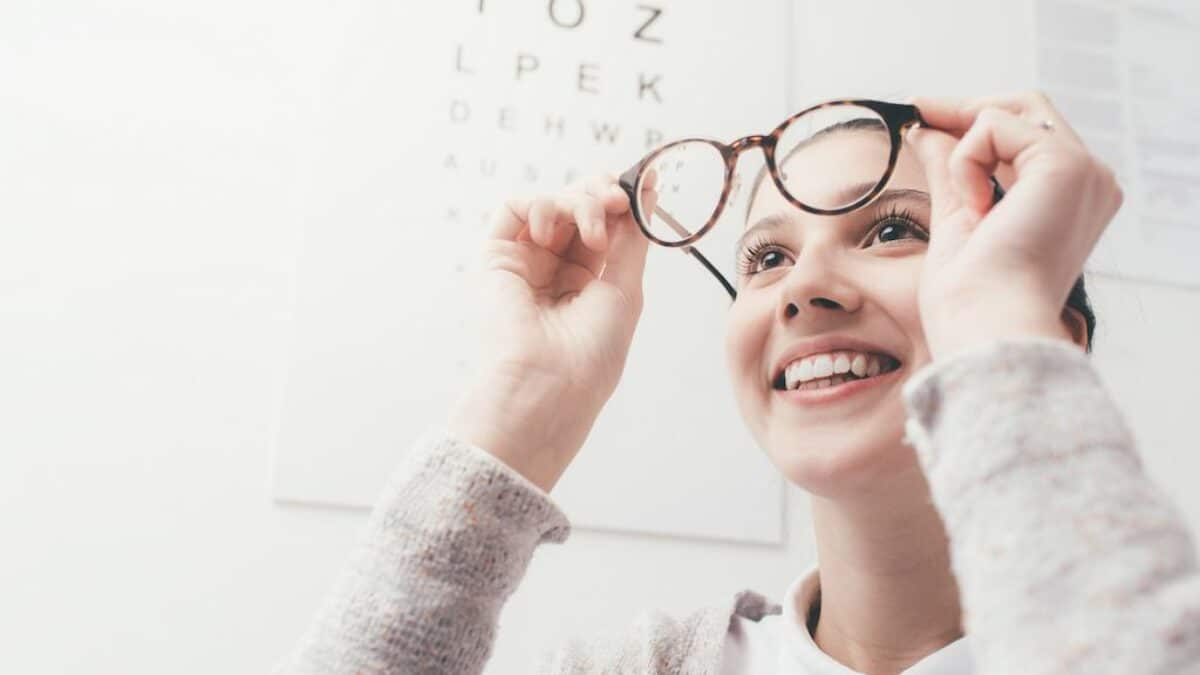
Childhood is usually when myopia (nearsightedness) first appears. Myopia occurs when the eyeball becomes too long from front to back. This excessive growth causes light to focus in front of the retina rather than directly on it. The retina is the light‑sensitive layer at the back of the eye where light must be sharply focused for clear vision.
When the focal point falls short of the retina, distant objects appear blurry. Children with myopia cannot see far objects clearly unless they are very close. Myopia is the most common refractive error in children and young adults, which is why pediatric vision correction procedures often become necessary.
Read also: Femtosecond LASIK Vision Correction Surgery
Symptoms of Poor Vision in Children
Some common signs of visual impairment in children include difficulty recognizing familiar faces, trouble reading, and difficulty seeing objects that could pose hazards, such as steps, obstacles, or walls. Printed materials may appear broken, wavy, or distorted. Color discrimination and contrast sensitivity may also be reduced.
Children with visual impairment can have eyes that look completely normal. Often it is the child’s behavior or the way they use their eyes that raises concern about their vision. Most babies begin to focus on faces and objects at about 4–5 weeks of age. By around 6–8 weeks, most infants begin to smile at familiar faces and objects they can see.
If a child has reduced vision, you may notice that they struggle with these early visual milestones. Below are some additional warning signs that a child may be experiencing symptoms of poor vision:
If you notice any of these symptoms in your child, you should see a pediatrician or pediatric ophthalmologist promptly to obtain appropriate treatment for your child’s visual problems.
Read also: Causes and Treatment of Cloudy Vision
Causes of Poor Vision in Children

Children may be born with impaired vision, or it may develop later as a result of disease, injury, or an underlying medical condition. The most common causes of poor vision in children include:
Read also: Does Bupa Insurance Cover Vision Correction at Al Batal Specialized Center?
Conditions in Which Children Can Undergo Vision Correction Procedures
Refractive errors are present in roughly 20% of children. When a child has a refractive error, the eye does not focus light properly on the retina, so vision is out of focus and blurred.
Myopia (nearsightedness) is the most common refractive error in children. A nearsighted child sees clearly up close but struggles to see distant objects. The next common problem is hyperopia (farsightedness).
In hyperopia, the child has difficulty seeing nearby objects clearly but can often see distant objects more easily. Most children naturally have a mild degree of hyperopia until around age seven.
Astigmatism occurs when the cornea is more oval than round. The corneal curvature is irregular, leading to blurred or distorted vision. Astigmatism can begin in childhood or adulthood and is usually easy to correct if it causes symptoms.
Children with astigmatism or hyperopia often complain of headaches, eye strain, difficulty reading, and fatigue. Children with simple myopia may have no symptoms other than reduced distance vision. All of these are examples of conditions in which pediatric vision correction procedures may be recommended.
Read also: The Newest Vision Correction Technology for Keratoconus
Types of Vision Correction Procedures Available for Children
The most commonly performed eye surgeries for children include:
Strabismus Surgery
Tightening or loosening specific eye muscles to improve eye alignment and treat strabismus (crossed or misaligned eyes).
Tear Duct (Nasolacrimal Duct) Surgery
This may be performed using one of three techniques (probing, stenting, or balloon catheter dilation). All aim to open blocked tear ducts. Success rates range from 85–95% in children aged one year or younger.
Ptosis Surgery
Surgery to lift a droopy upper eyelid (ptosis) that may be blocking part of the visual axis.
Cataract Surgery
Removal of a cloudy natural lens (congenital or developmental cataract) to restore a clear visual pathway.
Glaucoma Surgery
Procedures to lower elevated intraocular pressure, which can damage the optic nerve and impair vision.
Best Age for Vision Correction Surgery in Children at Al Batal Specialized Center in Jeddah
The U.S. Food and Drug Administration (FDA) has not approved LASIK surgery for individuals under 18 years of age. Most ophthalmologists prefer to wait until patients are at least 21. By around 21, the eyes are usually fully developed, and the risk of corneal shape changes after surgery is much lower.
The best way to determine whether someone is a suitable candidate for refractive surgery is to consult an experienced ophthalmologist, such as the specialized eye surgeons at Al Batal Specialized Center.
Read also: Understanding the Stages of Diabetic Retinopathy
Key Advantages of Early Intervention
Vision correction can be life‑changing and can benefit a wide range of children. If your child has been wearing glasses or contact lenses for a long time, pediatric vision correction at Al Batal Specialized Center in Jeddah may be a very helpful option.
With appropriate vision correction, a child can be freed from the hassle of constantly changing lenses, cleaning contacts, or worrying about broken or lost glasses.
At our clinic, we specialize in providing customized vision correction solutions tailored to your child’s individual needs. Whether your child has myopia, hyperopia, or astigmatism, we can help them achieve clearer vision and a more active lifestyle. We use state‑of‑the‑art technologies and techniques to deliver the best possible outcomes with the shortest feasible recovery times.
Our experienced, caring physicians will guide you through every step of the process, ensuring that you and your child feel comfortable and confident. If you’re ready to take the first step toward clearer vision and a more active life for your child, contact us today to schedule an evaluation. We look forward to helping your child see the world more clearly and enjoy the freedom of life without relying heavily on glasses or contact lenses.
Read also: Contact Lenses for Astigmatism | Everything You Need to Know
Outcomes of Vision Correction Procedures in Children
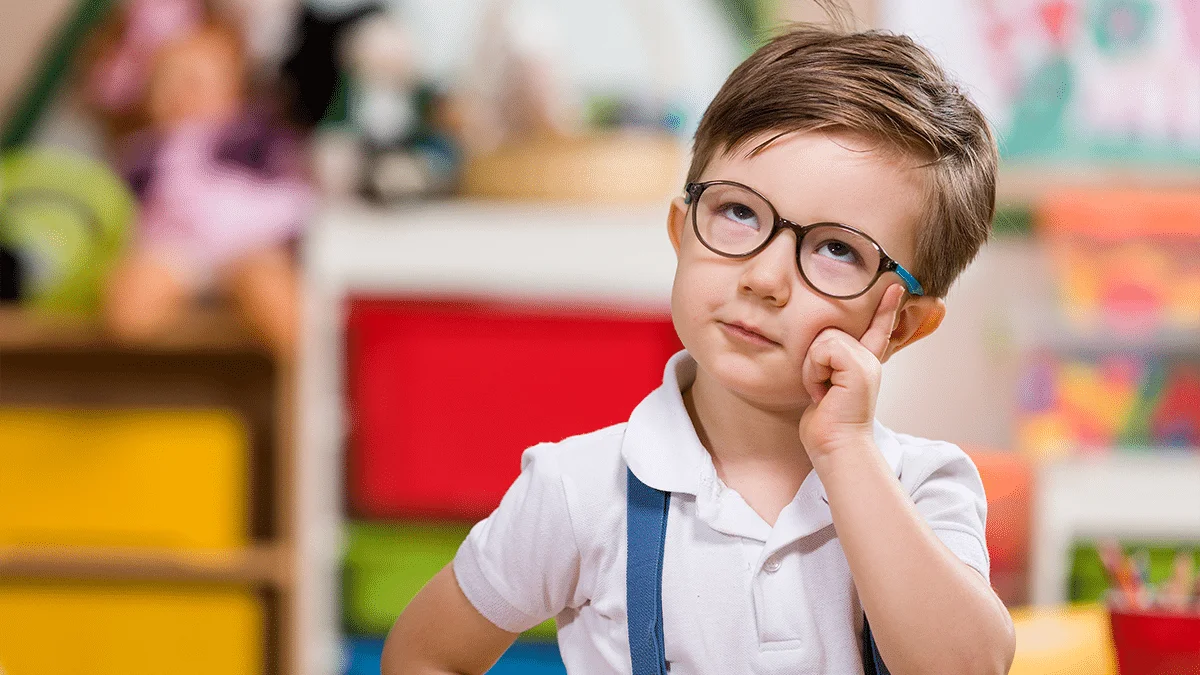
Most visual problems in children can be corrected optically with glasses or contact lenses. Additional advanced options are available in selected cases, such as laser procedures or lens implantation. In very rare situations, laser vision correction may be considered.
In these rare pediatric cases, laser procedures are typically therapeutic rather than purely refractive. The goal is to improve vision as much as possible. Sometimes, surgical options such as laser procedures or partial‑thickness corneal transplantation (lamellar keratoplasty) are needed to restore corneal clarity.
Vision correction procedures in children can offer substantial benefits and significantly improve quality of life. Many patients achieve 20/20 (6/6) vision or better after surgery, although results vary from one child to another.
Read also: Stye (Hordeolum) | Causes, Symptoms, Diagnosis, and Treatment
Success Rate of Strabismus Surgery in Children
For most types of strabismus, a single operation can successfully align the eyes in about 8 out of 10 children. Success rates vary depending on the type and severity of strabismus and the individual child. Your child’s ophthalmologist and orthoptist will discuss expected outcomes and the likelihood of needing additional surgery with you in detail.
Precautions When Performing Vision Correction Procedures in Children
Vision correction procedures are performed to treat refractive errors such as myopia, hyperopia, astigmatism, or presbyopia. If your child has one of these refractive errors, you may be considering a procedure and might wonder what to expect afterward—especially what your child should avoid during the recovery period.
After eye surgery, you must keep your child away from swimming pools, hot tubs, saunas, and natural bodies of water (lakes, rivers, etc.) for at least two weeks. If swimming is unavoidable, we strongly recommend protective goggles and keeping the eyes closed underwater.
If water gets into the eyes before the cornea has healed properly, it can cause irritation, dryness, and even infection.
Parents’ Experiences with Pediatric Vision Correction at Al Batal Center in Jeddah
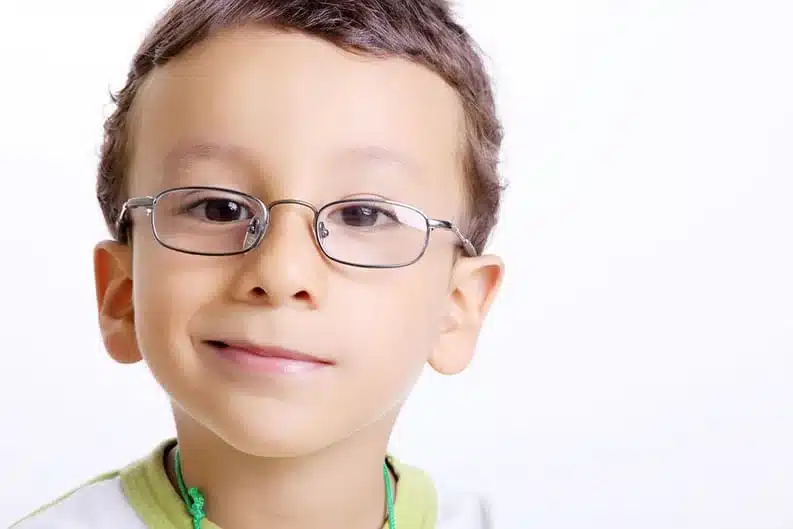
At Al Batal Specialized Center, many children with varying degrees of refractive error have undergone vision correction procedures. Thanks to thorough examinations, advanced diagnostic equipment, and the extensive experience of our physicians, outcomes have been excellent, with marked improvement in visual function in the majority of children treated.
Pediatric Vision Correction
Pediatric Vision Correction | Children and Laser Eye Surgery
Whether children should undergo laser eye surgery remains a controversial topic. While some ophthalmologists believe that certain children could benefit from these procedures, LASIK is generally not recommended for pediatric patients.
The FDA has not approved LASIK for individuals under 18. The main reason is that a child’s eyes are still growing and changing.
If a child undergoes LASIK, the eyes will likely continue to develop afterward, leading to unpredictable and unstable results.
Another reason against LASIK in children is that the FDA does not recommend the procedure for anyone whose contact lens or glasses prescription has changed within the previous year. Most children who inquire about laser eye surgery have had relatively recent changes in their prescription, which further calls into question whether this approach is appropriate at their age.
Read also: See Life Without Glasses… The Latest Vision Correction Procedures
Pediatric Vision Correction Surgery
The Future of Pediatric Vision Correction Procedures
Researchers are studying the effects of laser eye surgery in children with rare and severe vision problems. Some studies suggest that it may be beneficial in selected cases of very high myopia or hyperopia. These children may be at risk of visual deprivation and amblyopia because their poor vision makes them reluctant or unable to use their eyes effectively.
In such exceptional cases, LASIK or similar procedures may help provide clearer images to the retina and prevent further visual development problems. Even then, contact lenses are usually tried first to correct vision. Only when contact lenses fail or are not tolerated might laser eye surgery become a serious consideration.
Pediatric Vision Correction | Does Your Child Need Ortho‑K?
Ortho‑K (short for orthokeratology) is an innovative, non‑surgical approach that can correct your child’s vision and reduce dependence on glasses or daytime contact lenses.
All of this is achieved without any eye surgery.
Ortho‑K lenses work somewhat like braces for the eyes.
They are specially designed rigid gas‑permeable contact lenses worn overnight to gently reshape the cornea temporarily. Ortho‑K is completely reversible and is generally well tolerated and comfortable once the child adapts to the lenses.
Read also: Eyelid Dermatitis | What You Need to Know About Inflammation of the Eyelid Skin
Frequently Asked Questions About Pediatric Vision Correction Procedures
Can children undergo vision correction surgery?
Most visual problems in children can be corrected with glasses or contact lenses. In selected cases, more advanced options such as laser procedures or intraocular lens implantation may be considered.
What is the success rate of vision correction surgery for children?
Most patients who undergo laser or surgical vision correction achieve 20/25 vision or better, although individual results vary and depend on the eye condition and procedure type.
When can a child go outside after LASIK?
Most patients can return to school, work, or normal daily activities within 1–3 days after LASIK. Some blurriness and tearing are common during the early recovery phase.
Does a child need general anesthesia for eye surgery?
Almost all children require general anesthesia for eye surgery in or around the eyes. This is necessary to keep the child completely still so the procedure can be performed safely and effectively.
When does myopia progression stop in children?
Myopia typically continues to progress into the late teenage years and sometimes into the mid‑twenties, after which it tends to stabilize. Myopia does not usually improve spontaneously with age.
Regardless of the symptoms, type of refractive error, or eye condition, pediatric eye problems require a careful, comprehensive examination and an individualized treatment plan by a skilled ophthalmologist using effective, evidence‑based tools.
Whatever eye disease or visual issue your child may have, you can book an appointment at Al Batal Specialized Center for a complete eye evaluation and to begin addressing even the most complex vision problems.