Med info
Pediatric Retinal Examination: Importance, Indications, and Early Detection at Batal Specialist Medical Center

What Is a Pediatric Retinal Examination?
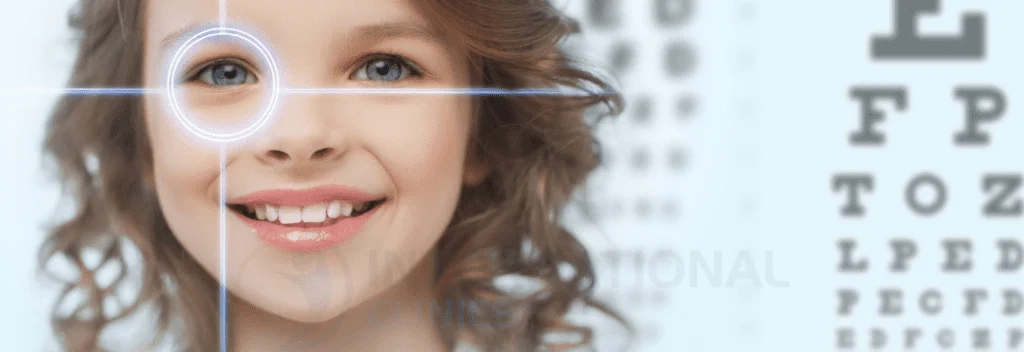
A pediatric retinal examination is a specialized eye test performed by an ophthalmologist to assess the inside of a child’s eye—particularly the retina, optic nerve, and blood vessels—with the aim of detecting any problems at an early stage, such as retinopathy, retinal detachment, or congenital abnormalities.
The child’s retina is usually examined after dilating the pupils with eye drops, then using a dedicated examination device and a focused light source to obtain a clear, detailed view of the retinal structures.
This examination helps diagnose a range of eye conditions in children, including strabismus (eye misalignment), amblyopia (lazy eye), high myopia or hyperopia (severe nearsightedness or farsightedness), and complications related to premature birth such as retinopathy of prematurity (ROP).
A pediatric retinal examination is considered a fundamental step in protecting vision, ensuring healthy visual development, and preventing permanent vision loss through early detection and timely treatment.
Why is retinal examination important for children?
Retinal examination in children is a crucial step in detecting vision problems early, before they interfere with the child’s development, learning, and ability to concentrate at school.
This assessment helps diagnose serious conditions such as retinopathy of prematurity (ROP), optic nerve atrophy, high degrees of myopia or hyperopia, and strabismus. It can also reveal early signs of systemic diseases like diabetes and hypertension.
The earlier and more regularly retinal exams are performed, the greater the chance of timely intervention—whether with prescription glasses or appropriate medical treatments—before vision problems become permanent.
In addition, retinal examination provides reassurance to parents about the health of their child’s eyes and allows the ophthalmologist to establish a proper follow‑up plan if any minor abnormality is detected, helping protect the child from complications that could affect their future quality of life.
When Does a Child Need a Retinal Examination?
A child may need a retinal exam early in life, especially if they were born prematurely (before 37 weeks of gestation) or if there is a family history of eye diseases such as retinal detachment, inherited retinal dystrophies, or glaucoma.
In the presence of risk factors, it is recommended to perform the first comprehensive eye and retinal examination within the first few months of life, then repeat it periodically throughout childhood. This helps in the early detection of conditions such as retinopathy of prematurity (ROP), high myopia, strabismus, or reduced visual acuity.
An urgent retinal assessment is also necessary if parents notice worrying signs, such as a sudden onset of strabismus (crossed eyes), a white reflex in the pupil instead of the normal black appearance (leukocoria), involuntary eye movements (nystagmus), the child sitting very close to the television or holding books too near, frequent headaches, or complaints about not seeing the board clearly at school.
Retinal examination in children by a pediatric ophthalmologist or retina specialist plays a crucial role in protecting vision, enabling early diagnosis of retinal disorders, and initiating timely treatment to preserve visual function and prevent permanent complications.
Symptoms That May Indicate Retinal Problems in Children
Retinal disorders in children often present through subtle signs that parents may notice even before a formal retinal examination is performed. These signs can include the child sitting very close to the television or holding books too near, or tilting the head to one side in an effort to see more clearly.
Parents may also observe a sudden onset of eye misalignment (strabismus), slight involuntary eye movements (nystagmus), or hear frequent complaints from the child about headaches or blurred vision, especially when trying to see the classroom board at school.
Worrisome signs also include a white instead of the normal red reflex in flash photographs, a difference in pupil color between the two eyes, or frequent eye rubbing and excessive blinking.
If any of these symptoms are noticed, it is advisable to schedule an urgent pediatric retinal examination with an ophthalmologist, as early detection and intervention can help protect the child’s vision and reduce the long‑term complications of retinal diseases.
Infant Retinal Examination
An infant retinal examination is a crucial step in detecting eye problems at an early stage, especially in the first months of life when the eyes are growing and developing rapidly.
This assessment helps diagnose conditions such as retinopathy of prematurity in preterm infants, optic nerve malformations, and inherited retinal disorders that may compromise vision in the future if not identified and treated in time.
The infant’s retina is usually examined using a specialized ophthalmoscope that allows the ophthalmologist to view the fundus (back of the eye) without causing pain. Dilating eye drops may be used for a short period to widen the pupil and enable a more comprehensive evaluation.
Clinical guidelines recommend early eye and retinal screening for high‑risk infants, such as premature babies or those with a family history of eye disease, since early detection significantly improves the chances of preserving normal vision and reducing long‑term complications.
Retinal examination in infants and young children is an integral part of comprehensive pediatric health care, helping to protect eyesight and support proper visual and motor development.
Retinal Diseases That Can Affect Children
Retinal diseases in children are among the key reasons why pediatric retinal examinations are essential and not just a routine checkup. Children may develop serious conditions such as retinopathy of prematurity (ROP) in premature infants, inherited retinal dystrophies, retinal detachment, retinal inflammations, and diabetic retinopathy in children with diabetes.
These conditions directly impact visual clarity and can lead to permanent visual impairment or blindness if not diagnosed and treated in a timely manner.
Examining the fundus (back of the eye) with specialized instruments helps detect early changes in the retinal blood vessels and nerve tissue, allowing the ophthalmologist to intervene promptly with laser therapy, medications, or surgery, as appropriate for the specific condition.
The earlier and more regularly a child’s retina is examined—especially in premature infants or those with a family history of eye diseases—the better the chances of preserving the child’s vision and supporting normal visual development.
Educating parents about the importance of eye examinations for children, and encouraging them to watch for warning signs such as strabismus (eye misalignment), sitting very close to the television, or an unusual color/whiteness in the pupil, plays a major role in early detection of retinal diseases and in preventing serious complications.
How is a retinal examination performed for a child?
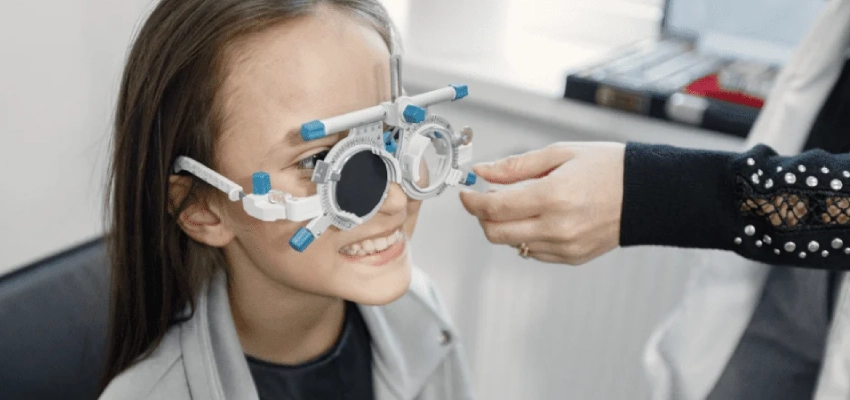
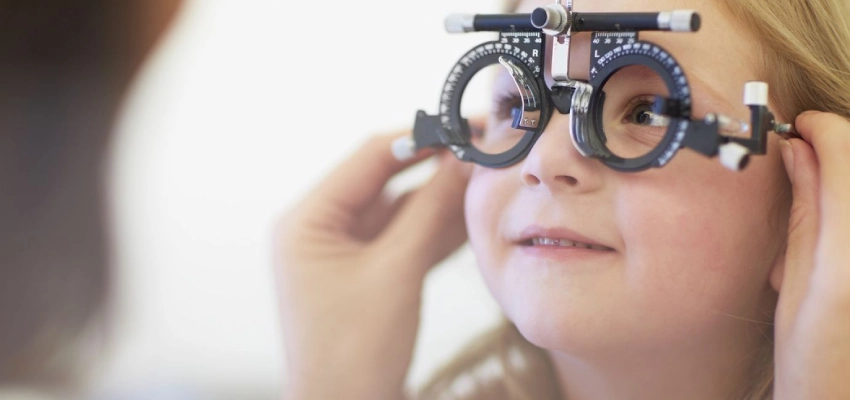
A retinal examination for a child is carried out in an ophthalmologist’s clinic using a special instrument called an ophthalmoscope (funduscope). The procedure typically begins by instilling eye drops to dilate the pupil, allowing the doctor to clearly view the retina, optic nerve, and retinal blood vessels.
The child may sit on the examination chair or be held by a parent, while the doctor shines a gentle light into the eye to carefully inspect the retina and look for any abnormalities, such as retinopathy of prematurity, retinal detachment, or congenital malformations.
In some cases—particularly with infants or very active children—a lid speculum or mild sedation may be used to keep the eye open and the child still, ensuring an accurate and pain-free examination.
The test usually takes only a few minutes. Afterwards, the child may experience temporary blurred vision and light sensitivity due to the dilating drops, so it is advisable to protect their eyes from bright light for a short period following the exam.
Early retinal screening in children is crucial for detecting vision problems and treating them promptly. This helps preserve good eyesight and supports normal visual development.
When should you see a pediatric ophthalmologist immediately?
Any sudden change in your child’s vision requires urgent assessment by a pediatric ophthalmologist—especially if you notice a sudden onset of strabismus (crossed or misaligned eyes), the child sitting very close to the TV or holding books too near, or frequent complaints of headaches and difficulty seeing the board at school.
An urgent retinal examination is also necessary if you notice a white or abnormal shiny reflection in the pupil in photographs (leukocoria), marked eye redness accompanied by pain or discharge, or if the eye has been hit directly or the child has had a significant fall or head injury.
You should also seek immediate specialist advice if you observe involuntary eye movements (nystagmus), marked sensitivity to light (photophobia), persistent tearing without an obvious cause, or if there is a family history of retinal diseases or inherited visual disorders.
Early intervention and retinal screening in children are key to detecting problems such as strabismus, reduced visual acuity, retinal diseases, and pediatric cataract or glaucoma at an early stage, which greatly improves treatment outcomes and helps preserve your child’s vision in the long term.
Advanced Pediatric Retina Examinations at Batal Specialized Center
Batal Specialized Center utilizes state-of-the-art pediatric retinal imaging technologies to enable early detection of retinal diseases and vision problems before they affect a child’s visual development and overall growth.
Our medical team relies on high-resolution digital retinal imaging, dilated fundus examination, and Optical Coherence Tomography (OCT) to assess retinal thickness and accurately diagnose pediatric retinal disorders, high (pathologic) myopia, strabismus, and complications related to premature birth such as retinopathy of prematurity.
All retinal examinations are carried out in a child-friendly environment designed to reduce anxiety and ensure comfort. Parents receive clear, simple explanations of each step of the examination and a detailed discussion of the findings.
Ophthalmologists at Batal Specialized Center are committed to developing an early, individualized follow-up and treatment plan, which includes regular check-ups and comprehensive eye examinations to safeguard the child’s eyes and preserve optimal vision in the long term.
These advanced, integrated assessments enable the detection of pediatric retinal conditions at their earliest stages, significantly improving treatment outcomes and helping protect children from future vision loss.