
Med info
Optical Illusions: Everything You Want to Know

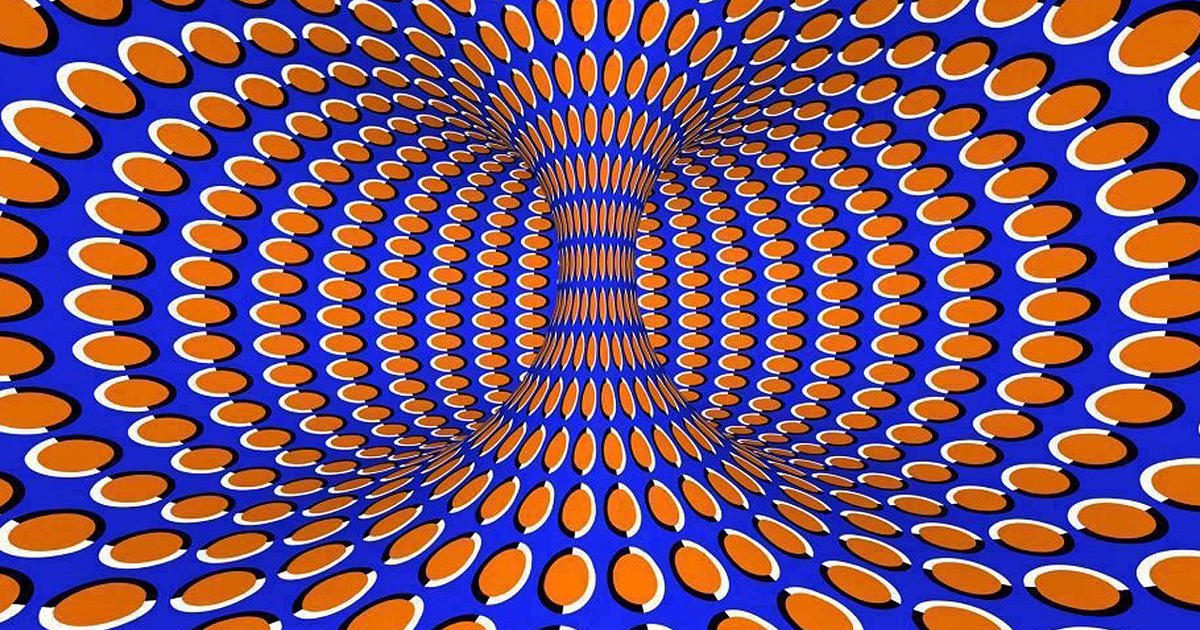
An optical illusion is a mismatch between what we immediately see and the object’s actual properties. Optical illusions are not a defect in the eyes or the brain; rather, they result from the brain misinterpreting visual information.
The Eye Center at Batal Specialized Medical Complex in Saudi Arabia is considered one of the leading centers for treating all types of eye diseases, under the care of highly qualified specialists.
Read also: Causes of Double Vision and What You Can Do About It
How Do Optical Illusions Work?
Optical illusions occur when the brain tries to connect what it sees with what it expects to see. In a fraction of a second, the visual system captures images, sends them to the brain, and processes them. The brain then organizes this information by detecting edges, analyzing contrasting areas, sorting colors, and even making educated guesses. It is constantly predicting what will happen next.
Most of the time, this process works well. But sometimes the brain gets confused and can’t logically assemble the information—resulting in an optical illusion.
Read also: What Is Minimally Invasive Glaucoma Surgery (MIGS)?
Are There Different Types of Optical Illusions?
Yes. “Optical illusion” is a broad term that includes all types of visual illusions. Within this, there are several specific categories of illusions.
Read also: Information on Protecting Your Eyes from UV Radiation
Can Optical Illusions Harm the Eyes?
Optical illusions do not damage a person’s eyes unless they stare at them for a prolonged period, which may cause mild eye strain. However, if someone experiences double vision or eye pain, this could be a sign of a more serious condition.
An ophthalmologist at the Eye Center in Batal Specialized Medical Complex in Saudi Arabia can offer reassurance by thoroughly evaluating and expertly treating the condition.
Read also: Orthoptics | Everything You Need to Know
Are There “Real-Life” Optical Illusions?
Yes, many optical illusions occur in the real world. Some can be dangerous, while others can be helpful.
For example, optical illusions can affect pilots in flight: they may see a false horizon in the air or perceive a narrow runway during landing. For this reason, pilots are trained to recognize and ignore misleading visual cues so they can fly and land their aircraft safely.
Can Optical Illusions Be Useful?
In some cases, illusions actually help reduce risk. An example is a safety measure implemented on Lake Shore Drive to control drivers’ speed on a very sharp curve. The road is visually designed to appear as if it narrows from 16 feet to 8 feet in width. This illusion tricks drivers into slowing down so they can more safely navigate what looks like a narrower roadway.
Read also: How to Prevent Vision Loss from Diabetic Retinopathy
Do Animals Use Optical Illusions?
Animals, like humans, can be affected by optical illusions. Hummingbirds, for instance, are unable to hover in front of a flower placed against a rotating striped background—the pattern makes it appear to them as if the flower is moving. The stripes of a zebra also create misleading motion cues, making it harder for predators to accurately time their attacks.
Optical illusions make us question what is real and what is not, and sometimes even make us wonder if there is something wrong with our vision. However, illusions are generated in the brain, not in the eyes themselves.

At Batal Specialized Medical Complex, highly experienced professionals use the most advanced techniques to diagnose and treat each patient’s condition. Call now to book an appointment and see what you’ve been missing.
Read also: Are You a Good Candidate for Laser Eye Surgery?