
Med info
Optic Nerve: What You Need to Know

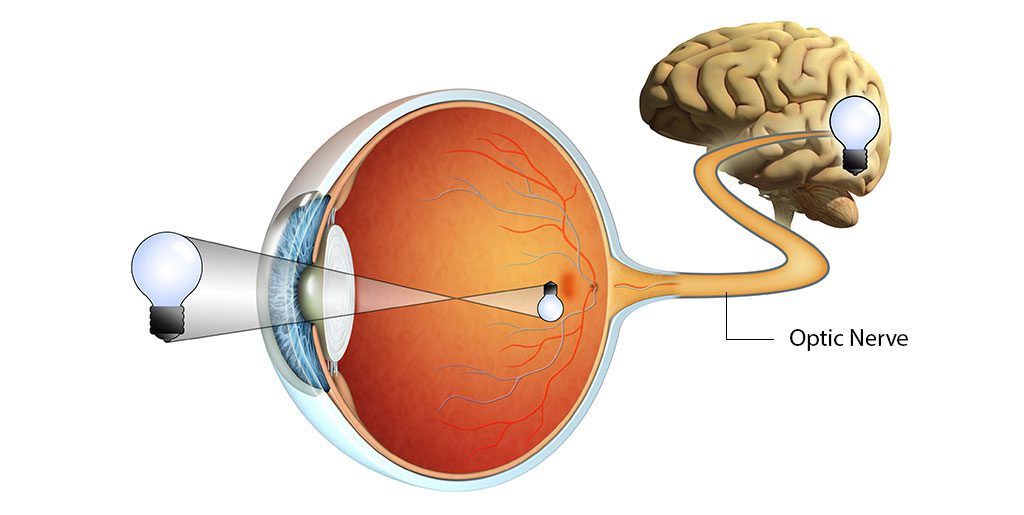
The optic nerve is the nerve that carries visual information from the eye to the brain. It is the second of the 12 cranial nerves, which also include the olfactory nerve, oculomotor nerve, facial nerve, and others. For this reason, the optic nerve is also called the second cranial nerve (Cranial Nerve II).
Read also: Signs of Successful Retinal Detachment Surgery
Optic Nerve Anatomy
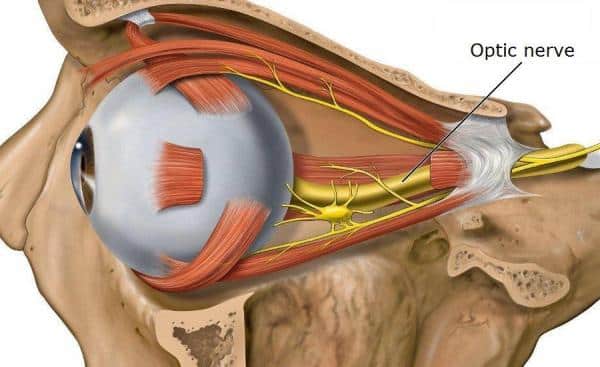
The optic nerve is located at the back of the eye and is connected to the retina. Because of its function, the optic nerve is considered part of the central nervous system even though it lies within the eye. Retinal ganglion cells and millions of nerve fibers together form the optic nerve.
During an eye exam, the doctor can perform ophthalmoscopy (fundus examination) to easily view the head of the optic nerve, known as the optic disc. This part of the optic nerve is actually an extension of the brain, making it the only part of the brain that can be directly seen from outside the body.
Function of the Optic Nerve
The primary function of the optic nerve is to transmit visual signals from the eye to the brain. When light enters the eye, the cornea attempts to focus it precisely onto the retina to produce the clearest possible image. The retina senses this light and converts it into electrical impulses. The optic nerve then carries these impulses to the brain, where they are interpreted as images.
Although this process may sound simple, the optic nerve plays a critical role in how we perceive and understand the world around us. In fact, scientists are working on developing devices that can mimic the function of the optic nerve in an effort to restore sight in people who have lost vision due to optic nerve damage.
Optic Nerve Problems
When a problem develops in the optic nerve due to trauma, disease, or exposure to harmful factors, it can affect vision in different ways.
Conditions that may lead to optic nerve problems include, but are not limited to:
The Importance of Routine Eye Exams
Routine eye examinations are a simple yet essential way to ensure that your vision is healthy. During an eye exam, an ophthalmologist can assess the health of the optic nerve and evaluate any symptoms you may be experiencing. If the ophthalmologist suspects a problem involving the optic nerve, they may refer you to a neuro-ophthalmologist for more specialized evaluation and treatment.
Location and Pathway
When the optic nerves exit the eyes, they meet and partially cross at a structure called the optic chiasm. At this point, nerve fibers from the nasal (inner) half of each retina cross over to the opposite side of the brain, while fibers from the temporal (outer) half of each retina remain on the same side. Because of this crossing, each half of the brain receives visual information from the visual fields of both eyes. The optic chiasm is located on the underside of the brain.
After the chiasm, the nerve fibers continue as the optic tracts and project to the lateral geniculate nucleus (LGN) in the thalamus. From the LGN, bundles of nerve fibers known as the optic radiations extend through various parts of the brain, including the parietal lobe, temporal lobe, and finally the occipital lobe, which is the primary visual processing area.
Understanding the pathway of the optic nerve from the eye to the brain is important because the site of many visual disorders can be localized based on where the visual disturbance occurs or where a visual field defect is detected.
Read also: What Is a Neuro-Ophthalmologist and What Do They Do?
Treatment
Treatment of optic nerve damage or damage to the optic radiations depends on the underlying cause. In many cases, current treatments cannot restore vision that has already been lost, but they can often help prevent further damage and slow the progression of symptoms. For example:

There are many eye conditions that require timely and direct treatment, so do not hesitate to contact us. Book your appointment now to receive a comprehensive eye examination, and our doctors will recommend the treatment plan that best fits your condition.