Med info
Nystagmus: Causes, Symptoms, Treatment, and Everything You Need to Know

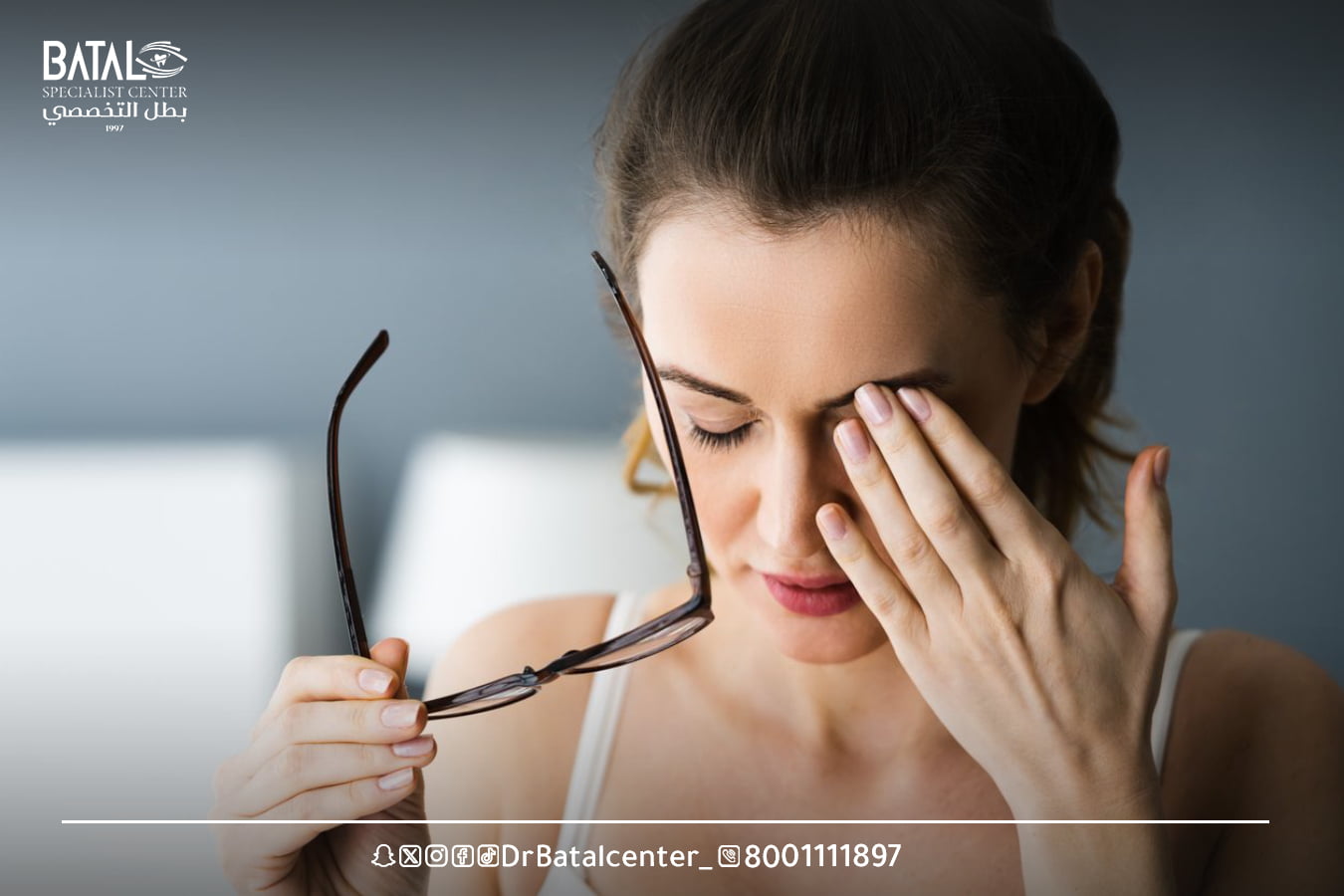
If you’ve ever noticed your eyes—or someone else’s—moving back and forth or shaking involuntarily, this may be a sign of an eye condition called nystagmus. These involuntary eye movements can vary in intensity and duration and may lead to blurry vision and, in some cases, difficulty focusing on stationary objects.
Living with nystagmus can affect vision, balance, coordination, and depth perception. A comprehensive eye exam by an ophthalmologist can help diagnose nystagmus, identify the underlying cause, and recommend the most suitable treatment option for you.
Booking an appointment and visiting Batal Specialty Center in Jeddah can help you reduce the impact of nystagmus on your daily life.
What Is Nystagmus?
Nystagmus is a condition that causes repetitive, involuntary eye movements, which may affect one or both eyes. These involuntary movements can be vertical (up and down), horizontal (side to side), or rotary (circular).
Nystagmus occurs due to abnormal communication between the eyes and the brain, affecting how the brain interprets motion signals coming from the eyes. It is often associated with brain injury or damage. Because of the repetitive eye movements, this condition is sometimes referred to as “dancing eyes.”
Nystagmus in English
The medical term for رأرأة العين is: Nystagmus.
Types of Nystagmus
Nystagmus is broadly divided into two main types: congenital nystagmus and acquired nystagmus.
Congenital Nystagmus
Congenital nystagmus, also known as Infantile Nystagmus Syndrome (INS) or “early-onset nystagmus,” usually causes the eyes to move horizontally from side to side, similar to a pendulum.
This type of nystagmus is often mild and is not always caused by an underlying medical condition. It does not always require treatment, although some people choose to wear corrective lenses or undergo corrective eye surgery. While the exact cause is still not completely understood, congenital nystagmus is thought to sometimes have a genetic (inherited) component.
Acquired Nystagmus
Acquired (or acute) nystagmus can develop at any age as a result of an injury or disease. This type is often linked to problems in the inner ear or the brain.
Unlike INS, acquired nystagmus is usually secondary to an underlying condition such as stroke, drug or alcohol use, multiple sclerosis, or head trauma. Some forms of acquired nystagmus can be improved with medications or surgery.
Causes of Nystagmus
The causes listed for nystagmus are potential contributing factors rather than guaranteed triggers. Even in the presence of these conditions, nystagmus does not always occur. Causes vary depending on the type:
Congenital Nystagmus
Infantile Nystagmus Syndrome
Congenital nystagmus is often referred to as Infantile Nystagmus Syndrome (INS)) and can be hereditary. INS usually appears between six weeks and three months of age. This type is typically mild and is not usually due to a serious underlying health problem. In rare cases, congenital eye diseases associated with INS may occur alongside conditions such as albinism (oculocutaneous albinism).
Most people with INS do not require treatment and do not necessarily develop complications later in life. In fact, many people with INS are not aware of their eye movements themselves. However, visual challenges are common and can range from mild to severe. Many patients need corrective lenses or elect to undergo refractive or corrective surgery to improve their vision.
Acquired Nystagmus
(For related information, see also: Eye Twitching – Causes, Treatment, and Diagnosis.)
Symptoms of Nystagmus
If you suspect that you or someone you know may have nystagmus, you should schedule an appointment with an ophthalmologist at Batal Specialty Center as soon as possible. Your eye doctor can perform a series of tests to accurately diagnose your condition and then recommend appropriate treatment or management strategies.
Common symptoms of nystagmus include:
– Involuntary, repetitive eye movements (horizontal, vertical, or rotary)
– Blurred or fluctuating vision
– Difficulty focusing on objects
– Problems with depth perception
– Head tilting or turning to find a position where eye movements are reduced
– Light sensitivity in some cases
– Balance or coordination issues in certain patients
Nystagmus itself may also be a symptom of another underlying condition such as stroke, multiple sclerosis, or head injury. The best way to protect your vision is through regular eye exams so conditions like nystagmus can be diagnosed and treated or managed as early as possible.
(See also: Retinal Vein Occlusion – What You Need to Know.)
Diagnosis of Nystagmus
Diagnosing nystagmus usually involves a combination of physical examination, vision testing, imaging studies, and neurological assessment. It is typically identified through a comprehensive eye examination that includes:
The doctor performs a thorough physical eye exam to assess eye movements. They will observe the eyes for any rhythmic, involuntary oscillations or jerking movements characteristic of nystagmus. The doctor may use different techniques or change head positions to provoke or accentuate nystagmus during the exam.
Vision Tests for Nystagmus
A variety of eye tests are performed to evaluate visual acuity, eye coordination, and the presence of refractive errors. These may include:
– Visual acuity testing (eye chart)
– Refraction testing to check for nearsightedness, farsightedness, or astigmatism
– Tests of binocular vision and eye alignment
– Assessment of how nystagmus affects vision in different gaze positions
(See also: Refractive Eye Surgery – Information and What You Need to Know.)
Imaging (MRI or CT) in the Evaluation of Nystagmus
In some cases, imaging tests such as magnetic resonance imaging (MRI) or computed tomography (CT) may be ordered. These allow the doctor to visualize the brain and the structures related to the visual system, helping to identify any underlying causes of nystagmus. Imaging is especially useful when nystagmus is associated with neurological conditions or structural abnormalities.
Neurological Tests
Because nystagmus can be a sign of an underlying neurological disorder, neurological testing may be performed to evaluate the function of the nervous system. These tests may include:
– A full neurological examination (strength, reflexes, coordination, balance)
– Vestibular function tests to assess the inner ear and balance system
– In some cases, additional specialized tests such as electroencephalography (EEG) or brainstem evoked potentials
Treatment of Nystagmus
Treatment depends on the underlying cause, severity, and associated symptoms. It is important to understand that while certain treatments can help manage nystagmus, there is often no complete “cure” for the condition itself. Treatment aims to improve vision, reduce symptoms, and enhance quality of life. Possible options include:
Surgery
In some cases, surgery may be recommended, particularly when nystagmus is related to abnormal eye muscle function or an abnormal head posture. Surgical procedures aim to reposition or adjust the eye muscles to reduce the intensity or frequency of nystagmus and to move the “null point” (the gaze position with least nystagmus) into a more natural head position. Surgery is usually reserved for more severe cases or when other treatments have not been effective.
Medications for Nystagmus
Medications may be prescribed for certain types of nystagmus or to relieve related symptoms. For example, drugs such asbaclofen or gabapentin have been shown in some patients to reduce the severity of nystagmus. However, the effectiveness of medication varies widely depending on the cause and the individual response.
Physical / Vestibular Therapy
Some individuals explore complementary or adjunctive therapies to help control symptoms. This can include:
– Vision therapy (orthoptic exercises)
– Vestibular rehabilitation therapy (especially if inner ear problems are involved)
– Balance training and posture exercises
Alternative modalities such as acupuncture or herbal remedies are sometimes suggested in traditional medicine, but should only be considered after discussing safety and evidence with a healthcare professional.
Glasses or Contact Lenses
Corrective lenses—either glasses or contact lenses—may be prescribed to improve visual acuity and reduce eye strain. These lenses correct refractive errors such as myopia (nearsightedness), hyperopia (farsightedness), or astigmatism, which can worsen visual problems in people with nystagmus. In some patients, special contact lenses may provide a stabilizing effect that can slightly improve vision.
Occupational Therapy
Occupational therapy can be very helpful, especially when nystagmus interferes with daily activities and functional vision. Occupational therapists can:
– Teach strategies to maximize remaining vision
– Recommend adaptive devices (magnifiers, high-contrast tools, large-print materials)
– Help improve balance and coordination
– Train patients in compensatory techniques for reading, mobility, and self-care activities
(See also: Pterygium – Everything You Need to Know about Pterygium in 2024.)
Other Situations Involving Nystagmus
While acquired nystagmus (which develops later in life) is quite common, there are several more specific forms. Congenital nystagmus appears at birth or within the first months of life, while acquired nystagmus may result from neurological conditions, medication side effects, trauma, or inner ear disorders.
Nystagmus in Infants
Nystagmus can be observed in infants and may be a sign of an underlying condition. In some babies it is benign and does not require treatment; in others it may indicate a problem in the visual system or neurological development. Infants with nystagmus should always undergo a thorough medical and eye evaluation to determine the cause and appropriate management.
Nystagmus in Children
Nystagmus can affect children of all ages. Children with nystagmus may experience:
– Reduced visual acuity
– Difficulty judging distances and depth
– Challenges with reading and writing
Causes may include genetic factors, developmental disorders of the eye, or neurological conditions. Early diagnosis and intervention are crucial for managing nystagmus in children and for optimizing vision and quality of life.
Nystagmus and Vertigo
Vertigo is the sensation that you or your surroundings are spinning. Although nystagmus and vertigo are distinct, they often occur together. Certain types of nystagmus, especially those related to inner ear (vestibular) problems, are closely associated with vertigo. In such cases, nystagmus is often triggered or worsened by changes in head position or movement. Evaluation by an ENT (ear, nose and throat) specialist or a neurologist may be necessary to diagnose and treat the underlying cause of both vertigo and nystagmus.
Nystagmus in Adults
Nystagmus can develop in adulthood due to various causes, including neurological disorders, adverse effects of medications, alcohol intoxication, or head trauma. Some forms of acquired nystagmus are temporary and resolve once the underlying cause is treated. Chronic nystagmus, however, may require long-term management to reduce symptoms and improve visual function.
Herbal Treatment for Nystagmus
The use of herbal remedies for treating nystagmus is not well supported by scientific evidence. While some traditional or alternative medicine practices suggest herbal treatments, these should be approached with caution. The safety and effectiveness of herbal therapies for nystagmus have not been thoroughly studied. Any such approach should be discussed with a healthcare provider, and evidence‑based medical treatments should remain the foundation of nystagmus management.
Nystagmus in Newborns
Nystagmus can appear in newborns and may sometimes represent a normal physiological response in the very early weeks of life. However, persistent nystagmus or nystagmus accompanied by other signs or symptoms must be evaluated by a pediatrician or pediatric ophthalmologist. In newborns, nystagmus may be associated with conditions such as albinism, congenital cataract, or genetic syndromes. Early detection and proper management are essential to support optimal visual development.
What Does a Person with Nystagmus Actually See?
Children with congenital nystagmus generally see the world much like other children do, but with some degree of blur. Surprisingly for many parents and caregivers, in congenital motor nystagmus the world does not usually appear to “shake” or move for the child.
In contrast, people who develop nystagmus later in life (acquired or adult‑onset nystagmus) often report the sensation that their visual world is moving or “bouncing.” This disturbing symptom is called oscillopsia.
When Should You Seek Treatment for Nystagmus?
You should see an ophthalmologist if you begin to notice signs or symptoms of nystagmus. Acquired nystagmus is almost always caused by an underlying medical condition, and it is essential to identify that condition and determine the best treatment with the help of eye specialists and, when needed, neurologists or ENT physicians.
How Does Nystagmus Affect a Child’s Visual Development? What Will Vision Be Like in Adulthood?
This question cannot be answered without first determining the type of nystagmus.
If a child has congenital sensory nystagmus (nystagmus due to a primary eye disease), vision is usually reduced and may remain impaired. However, the reduced vision is often more related to the underlying eye condition than to the nystagmus itself.
For example, a child with bilateral optic nerve hypoplasia (underdeveloped optic nerves) will have decreased vision primarily because of the optic nerve abnormality, not because of the secondary nystagmus.
By contrast, in a child with congenital motor nystagmus, where the eyes themselves are structurally normal, vision can be quite good—often 20/50 or better. It is difficult to predict early in life what the final visual acuity will be for a child with nystagmus. The most helpful approach is a careful and detailed eye examination to identify any other ocular problems that might be causing or contributing to the nystagmus.
Nystagmus can significantly affect your own or your child’s quality of life. For example, some patients find that their condition prevents them from driving, makes personal care tasks difficult, or limits their ability to perform certain jobs. With time and appropriate support, many people learn to adapt and minimize its impact.
There are several strategies patients can use to reduce the effect of nystagmus on daily life, such as:
– Wearing caps or sunglasses indoors to reduce glare
– Using magnifiers or electronic devices with zoom functions to read small print
– Using large‑print books and materials
– Adjusting font size on phones, tablets, and computers
If you or your child has nystagmus, there are ways to lessen its impact. An ophthalmologist can help you reach an accurate diagnosis and develop the most appropriate treatment and management plan.
Frequently Asked Questions about Nystagmus
Is nystagmus dangerous?
Nystagmus itself is usually not dangerous. However, it can be a sign of an underlying condition that may require medical attention. In addition, nystagmus can impair vision and functional ability, which may interfere with everyday activities.
What does “nystagmus” mean?
Nystagmus refers to involuntary, rhythmic, jerking movements of the eyes. It can be present from birth (congenital) or develop later in life (acquired). Nystagmus can affect vision and may indicate a disorder involving the visual system or the nervous system.
How does a person with nystagmus see?
Visual experience in nystagmus varies depending on the type and severity. Nystagmus may cause:
– Reduced visual acuity
– Difficulty focusing on objects
– Problems with depth perception
– A sense that the visual field is shaky or oscillating in some cases
Symptoms can differ widely from one person to another.
What is the treatment for nystagmus?
Treatment depends on the underlying cause, severity, and associated symptoms. It may include:
– Corrective lenses (glasses or contact lenses)
– Medications in selected cases
– Eye muscle surgery in specific situations
– Occupational or vision therapy
– Treatment of the underlying neurological, vestibular, or ocular condition
The goal is to manage symptoms, improve visual function, and enhance quality of life.
What is the best medical center for examining and treating nystagmus in Jeddah?
At <strong>Batal Eye Center</strong>, we use the latest German technologies and offer VIP‑level medical services across the Kingdom. Our highly experienced ophthalmologists provide comprehensive and precise diagnostic evaluations for nystagmus in Jeddah to determine the most appropriate treatment. You can book an appointment to learn more, visit the center, and see the quality of care provided at Batal Eye Center under the supervision of Dr. Ahmed Batal.
Can nystagmus be cured?
Whether nystagmus can be improved or controlled depends on its underlying cause. In some cases, treating the primary condition or trigger can reduce or even resolve nystagmus symptoms. However, for many individuals, nystagmus is a chronic condition that requires ongoing management rather than a complete cure.
Is nystagmus hereditary?
Nystagmus can have a genetic component. Certain types, including congenital nystagmus, may run in families. Genetic testing and consultation with a genetic counselor may be recommended in some cases to better understand the hereditary nature of the condition.
Can congenital nystagmus disappear?
Congenital nystagmus, which appears from birth, typically persists throughout life. Although it may not completely disappear, its intensity or frequency may stabilize or improve over time in some individuals. Treatment and management mainly aim to optimize vision and function rather than fully eliminate the eye movements.
What causes involuntary eye movements and how are they treated?
Involuntary eye movements can result from:
– Neurological disorders
– Medication side effects
– Inner ear (vestibular) problems
– Trauma or head injury
– Primary eye conditions
Treatment depends on the specific underlying cause and may include managing the primary disease, adjusting medications, surgery in selected cases, or other tailored management strategies.
What causes the eyes to move “for no reason”?
Eye movements that seem to occur without any obvious reason may be due to:
– Subtle neurological conditions
– Abnormalities in eye muscle control
– Disorders affecting the visual or vestibular systems
It is essential to consult an eye care professional or a healthcare provider specialized in neurology or ophthalmology to determine the cause and appropriate treatment for unexplained eye movements.
See also:
– Blepharoplasty – Key Details You Should Know
– Cataract Surgery – Frequently Asked Questions