
Med info
Non-Surgical Eye Lift: Detailed Information

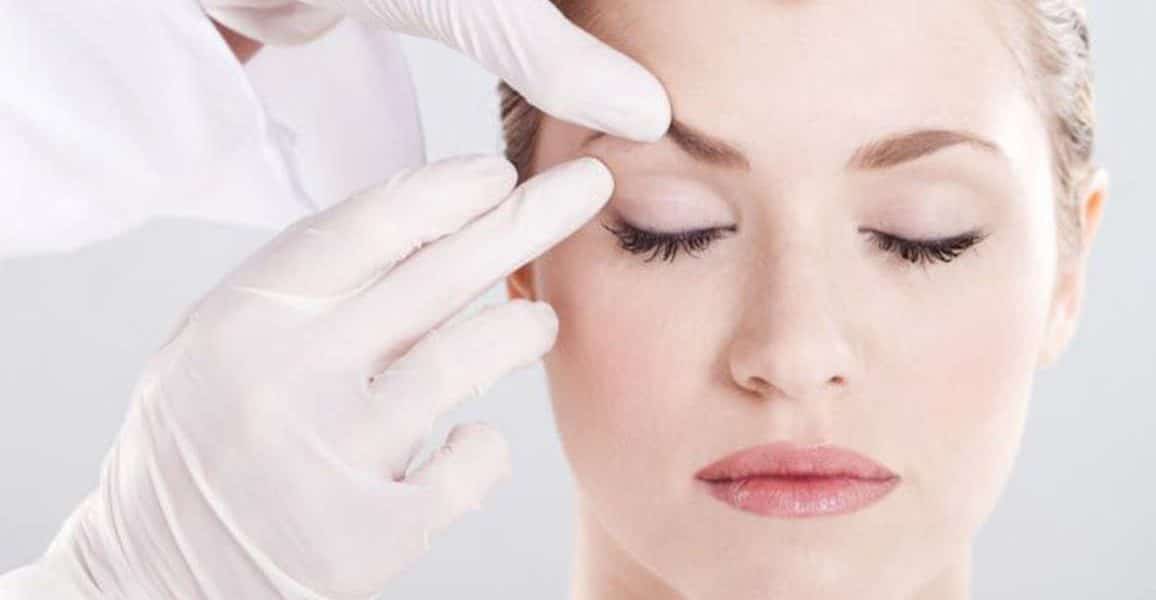
There are now more options than ever for creating a lifted look to the brows and eyelids. In addition to traditional surgical procedures, there are non-surgical treatments, often referred to as non-surgical blepharoplasty. These non-surgical brow and eyelid lifts can include injectable treatments such as Botox and dermal fillers that help create the effect of a non-surgical eye lift.
The exact eye treatment depends on each person’s needs as well as other factors such as overall health and budget. It is important to consult a dermatologist or plastic surgeon about all available options. We recommend visiting the Eye Center at Batal Specialized Complex in Saudi Arabia for comprehensive examinations under the supervision of top ophthalmologists.
Read also: Phosphenes and “Seeing Stars” | Causes, Symptoms, and Treatment 2023
Non-Surgical Eye Lift
When looking to lift the eye area without surgery, it is important to know that there are many options available. Below are some of the most common non-surgical eye lift treatments:
Dermal fillers are injectable treatments that use skin-hydrating/volumizing solutions to fill in wrinkles. Popular brand names include Juvéderm, Bellafill, Restylane, and Radiesse. This treatment can usually be completed within minutes and generally does not require time off work. Mild side effects such as redness may occur. Additional sessions may be needed in the future to maintain results.
Botox (botulinum toxin type A) is a category of cosmetic injectables known as neuromodulators, which smooth fine lines and wrinkles by relaxing the underlying muscles.
Botox results tend to appear relatively quickly compared with dermal fillers; however, maintenance injections are typically needed every 4–6 months to sustain the effect. Possible side effects of Botox include headache, numbness, and difficulty swallowing.
PRP (platelet-rich plasma) is another type of cosmetic injectable that helps rejuvenate skin tissue and may create a more youthful appearance. Unlike dermal fillers and neuromodulators, PRP is derived from the patient’s own blood. PRP is often combined with microneedling, laser treatments, Botox, or dermal fillers.
While more research is needed on the use of PRP as a cosmetic treatment for wrinkles, this method is believed to also help manage some medical conditions, such as arthritis.
Ultherapy and ThermiTight are additional methods that stimulate collagen production, giving the skin greater ability to reduce wrinkles from the inside out. The physician uses a device that emits ultrasound energy to stimulate collagen in the targeted treatment area. An Ultherapy session can take about one to two hours, which is slightly longer than injectable treatments. Results can often be seen within a few days.
Ablative laser resurfacing treats wrinkles by removing the upper layers of the skin. The idea is that newer, smoother skin cells will grow back in place of the older, damaged ones.
Read also: Itchy Eye Allergies | Symptoms, Causes, and Treatment
Cost of a Non-Surgical Eye Lift
Because eye lift procedures are considered cosmetic, they are typically not covered by health insurance. It is essential to discuss all associated costs with your doctor in advance. Most non-surgical eye lift procedures require little to no downtime.
Below is a list of approximate costs for different non-surgical eye lift treatments:
Read also: Eyelid Lesions – Types, Symptoms, and Treatment
Precautions for Non-Surgical Blepharoplasty
Although invasive surgery generally carries higher risks than non-surgical brow lifting, non-surgical treatments still come with potential side effects, including:
Non-surgical blepharoplasty is intended for individuals who have already tried over-the-counter wrinkle treatments without achieving the desired results. It is crucial to discuss all available options with the Eye Center at Batal Specialized Complex in Saudi Arabia, as well as any potential risks.
These treatments are not intended for people under 18 years of age. Pregnant or breastfeeding women should avoid these procedures. In addition, a doctor may advise against certain skin treatments if the patient is taking specific medications, such as blood thinners.
Read also: How Long Does It Take to Recover from Eyelid Surgery?
What Causes Droopy Eyelids and Facial Skin Laxity?
Skin wrinkling and sagging are natural phenomena that occur with aging. After the age of 30, the skin naturally begins to lose collagen, a protein that helps keep the skin smooth and firm. As collagen continues to decrease, fine lines and wrinkles become more noticeable.
The eyelid and brow areas are more prone to wrinkling because the skin there is much thinner than in other parts of the face.
For expert medical advice and diagnosis, please visit the Eye Center at Batal Specialized Complex in Saudi Arabia, where you can benefit from extensive medical expertise.
Read also: Femto-LASIK Vision Correction Surgery
What to Expect from a Non-Surgical Eye Lift?
The procedure begins with the application of a topical numbing gel to the treatment area. The anesthetic is usually left on the skin for up to an hour to ensure the area is fully numbed before starting the procedure.
Non-surgical eyelid lifting uses the Plexr® Plasma Pen, which ionizes gas particles in the air between the device tip and your skin. Through this process, excess skin is vaporized and tightened by generating plasma. This causes the targeted tissue to change from a solid state to a gaseous one, leaving behind tiny carbon crusts on the treated area.
Only the treated area is affected; surrounding tissues remain untouched due to the high precision of the device. The treatment spot size is about 0.3 mm, allowing for extremely accurate and gentle work around and under the eyes. After treatment, small brown dots will appear on the eyelids.
These remain during the healing phase. During this period, your skin begins to produce more collagen and elastin, resulting in a tighter, more youthful appearance. The brown dots form scabs that eventually fall off.
When Will I See Results from Plasma Eyelid Tightening?
Immediately after treatment, you will feel a tightening of the skin, but the final results usually become visible about three weeks after the procedure. Most patients need one or two sessions, although this can vary from person to person. If additional sessions are required, they are typically spaced 4–6 weeks apart.
What Is the Downtime After a Non-Surgical Eyelid Lift?
Following the procedure, you will have small brown dots and some swelling around the treated area. Swelling generally subsides within the first 1–3 days. The small brown crusts gradually fade over 10–14 days.
However, you can usually cover the area with makeup after about 7–10 days. Once the small scabs have fallen off, the underlying skin appears pink and is very sensitive. It is therefore extremely important to avoid sun exposure and use sunscreen daily.
Read also: Causes and Treatment of Blurry Vision
Who Is a Good Candidate for a Non-Surgical Eyelid Lift?
Non-surgical eyelid lifting works best for improving the appearance of hooded or mildly heavy eyelids. Patients with mild to moderate skin laxity around the eyelids are generally the best candidates for this treatment.
Those with significant excess skin or severe eyelid drooping may require surgical blepharoplasty to achieve optimal results. Plasma-based non-surgical eyelid lifting is generally recommended for patients with Fitzpatrick skin types I–III due to the risk of post-inflammatory hyperpigmentation in darker skin tones.
Read also: Effects of LASIK Vision Correction on Pregnant Women
Benefits of a Non-Surgical Eye Lift
Some of the key benefits of a non-surgical eye lift include:
The Best Non-Surgical Eyelid Lift Options
Non-surgical eyelid tightening methods are becoming increasingly popular. They offer a safe and effective option for people who want to enhance the appearance of their eyelids without undergoing surgery.
Some of the most commonly used non-surgical eye lift options include:
There are various non-surgical techniques for tightening the eyelids, each with its own advantages and disadvantages. It is important to consult a qualified specialist to determine the best treatment based on your specific needs and aesthetic goals. Proper non-surgical care of the eyelids can help you look younger and more refreshed for a long time.
Frequently Asked Questions
What is a non-surgical eyelid lift?
A non-surgical eyelid lift at Batal Specialized Complex, also known as a non-surgical eye lift, is a cosmetic procedure aimed at reducing the appearance of wrinkles and skin laxity in the upper and/or lower eyelids without invasive surgery. It may involve treatments such as Fraxel laser, plasma pen, or microneedling with PRP (platelet-rich plasma). These treatments are designed to stimulate collagen production and minimize signs of aging around the eyes.
How long does a non-surgical eye lift take?
Depending on the treatment option chosen, a full non-surgical eyelid lift session may take anywhere from 30 minutes to 2 hours.
Are there any potential risks associated with non-surgical eyelid lifting?
While side effects are usually minimal after this type of treatment, patients should still be aware that some risks do exist. These may include temporary eye irritation and dryness, as well as changes in skin pigmentation around the eyes if proper aftercare is not followed.
Read also: Eye Care After Laser Vision Correction
Whatever symptoms of poor vision, refractive errors, or other eye problems you may have, these sensitive medical conditions require careful examination and appropriate treatment from a skilled, experienced ophthalmologist using effective medical technology that delivers real benefits. Whatever eye disease you are suffering from, you can book an appointment at Batal Specialized Complex to undergo a thorough evaluation and begin treating your eye problems, no matter how complex they may be.