Med info
:Nasolacrimal Duct Obstruction: Causes, Symptoms, Treatment, and Prevention 2026

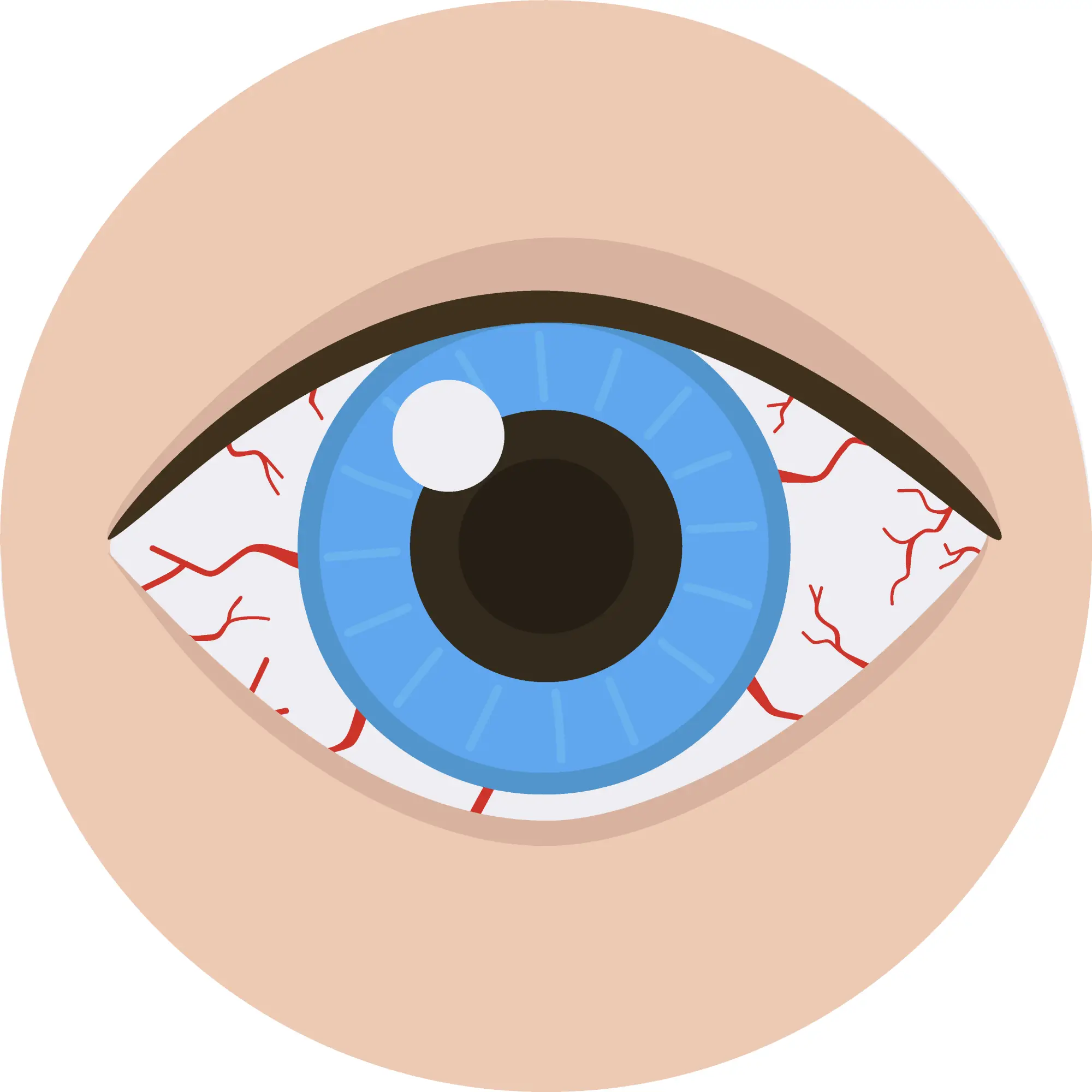
Anyone, at any age, can develop a blocked tear duct (nasolacrimal duct obstruction). While it is more common in adults, it can also occur in infants and children. A blocked tear duct happens when the channel that drains tears—produced to lubricate the eye—through a small tube running from the eye’s surface to the nose becomes obstructed.
When the nasolacrimal duct is blocked for any reason, it can also lead to infection, which may become chronic if the blockage is not cleared. This is because bacteria can accumulate and grow in the stagnant tears trapped in the obstructed duct, causing discomfort and the symptoms that will be explained below.
What Is the Tear Duct?
The tear duct is a tube-like drainage system that collects tears through tiny openings (called puncta) located on the inner side of both the upper and lower eyelids, near the nose, and channels them into the nose.
Tears that do not evaporate drain into the nose through a system made up of small ducts and canaliculi (in the eyelids), the lacrimal sac, and finally the nasolacrimal duct.
What Is Nasolacrimal Duct Obstruction?
Nasolacrimal duct obstruction is a condition in which something blocks the normal drainage of tears from your eyes. These blockages slow down or completely stop the flow of tears, causing them to back up within the tear drainage system and into the affected eye. The medical term for this condition is “nasolacrimal duct obstruction.”
Your eyes need tears to function properly. The tear film lubricates the surface of your eye and helps the cornea absorb oxygen. Tears also contain immune factors that protect your eyes from infection or help them recover if an infection occurs.
Learn more about nasolacrimal duct probing and intubation procedures in 2024 and the steps involved.
Causes of Nasolacrimal Duct Obstruction
A blocked tear duct can occur for several different reasons. Some are congenital, meaning you are born with them. Others develop later in life.
Congenital nasolacrimal duct obstruction is usually due to an anatomical defect or incomplete development of the lacrimal drainage system. This means that fluid can accumulate inside the nasolacrimal duct. Over time, this retained tear fluid can cause the duct to dilate. It may also predispose the nasolacrimal duct or other parts of the lacrimal system to infection.
Nasolacrimal duct obstruction can also be caused by other conditions, including:
– Age‑related changes, where the tear ducts and surrounding structures can narrow as you get older.
(Other causes may include chronic inflammation, infections, trauma, nasal or sinus disease, tumors, or prior surgeries in the nasal or orbital area, depending on the individual case.)
: Symptoms of Nasolacrimal Duct Obstruction
A blocked tear duct, also known as nasolacrimal duct obstruction, can cause a variety of symptoms. Common signs and symptoms include:
– Excessive tearing (epiphora), with tears spilling over the eyelids
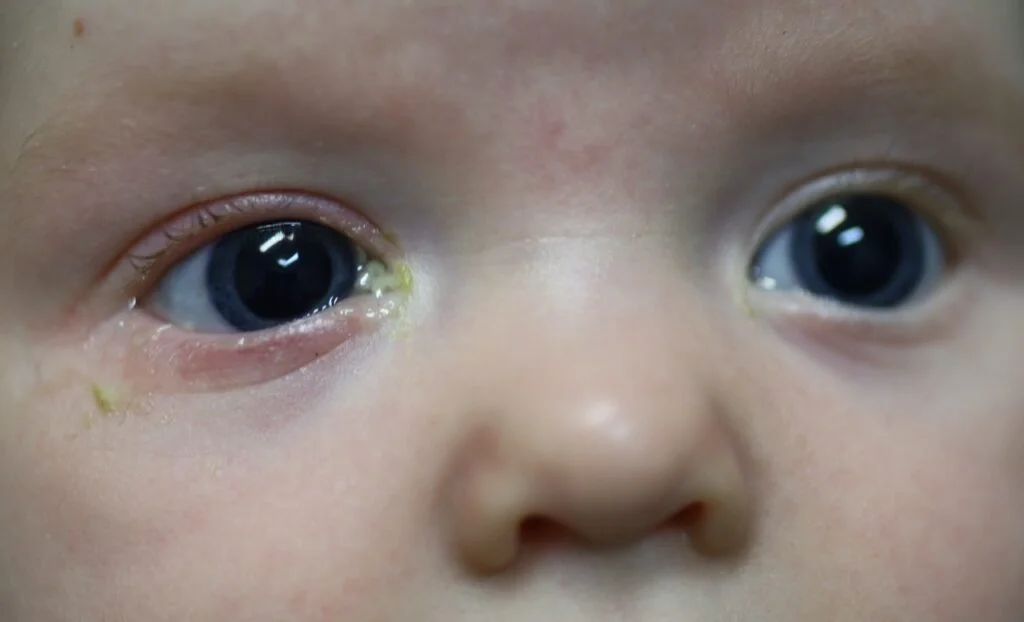
– Mucus or pus‑like discharge from the eye
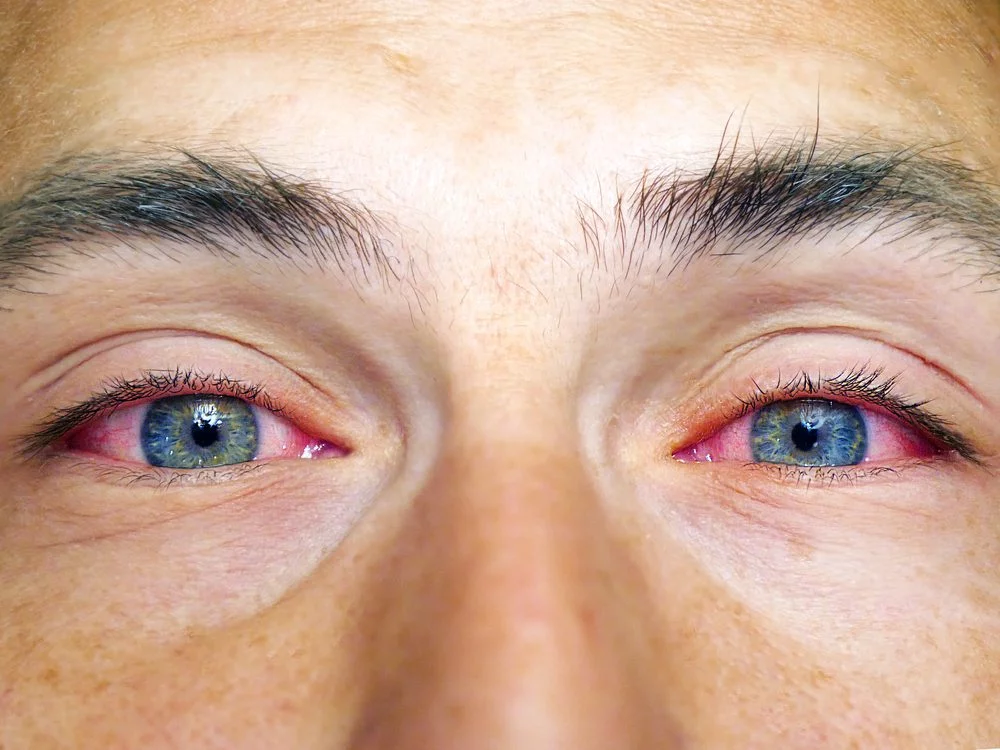
– Redness of the eye or inner corner (medial canthus)
– Recurrent eye infections or conjunctivitis
– Swelling and tenderness near the inner corner of the eye (over the lacrimal sac)
– Blurred vision due to constant tearing
– Crusting of the eyelashes, especially upon waking
: Diagnosis of Nasolacrimal Duct Obstruction
To diagnose this condition, your doctor will discuss your symptoms, examine your eyes, and perform certain tests. They will also examine the inside of your nose to check for any structural abnormalities in the nasal passages that might be causing the blockage. If your doctor suspects nasolacrimal duct obstruction, you may need additional tests to pinpoint the exact site of the blockage.
Tests commonly used to diagnose a blocked tear duct include:
– Dye disappearance test (DDT)
– Lacrimal irrigation (syringing) and probing
– Fluorescein dye studies
– Imaging tests such as dacryocystography or CT scans, especially if a mass or structural abnormality is suspected
– Nasal endoscopy to evaluate the nasal cavity and the opening of the nasolacrimal duct
: Treatment of Nasolacrimal Duct Obstruction
Treatment depends on the underlying cause of the blockage. You may need more than one approach to fully correct the problem. Both non‑surgical and surgical options are available.
Non‑surgical treatments may include:
– Warm compresses and gentle massage (especially in infants)
– Topical or oral antibiotics if infection is present
– Anti‑inflammatory medications in certain cases
Surgical treatments may include:
– Probing of the nasolacrimal duct (more common in infants and young children)
– Silicone tube intubation of the tear duct
– Balloon dacryoplasty (balloon catheter dilation)
– Dacryocystorhinostomy (DCR), an operation that creates a new drainage pathway between the lacrimal sac and the nasal cavity, performed externally or endoscopically
Your ophthalmologist will determine the most appropriate treatment based on your age, symptoms, cause, and severity of the obstruction.
: Al Batal Medical Complex Eye Center Tips for Preventing Nasolacrimal Duct Obstruction
To help reduce the risk of a blocked tear duct, you can follow these eye‑care tips recommended by the Eye Center at Al Batal Medical Complex:
– Avoid rubbing your eyes, especially with unclean hands
– Remove eye makeup thoroughly and gently before sleeping
– Use contact lenses only as directed and maintain strict lens hygiene
– Treat nasal and sinus infections promptly under medical supervision
– Follow postoperative care instructions carefully after any eye or nasal surgery

– Schedule regular eye examinations, particularly if you have chronic eye irritation, allergies, or recurrent infections