
Med info
My Experience with Ptosis (Droopy Eyelid)


Ptosis is a condition where the upper eyelid droops downward. Eye surgeons can operate on the eyelids and tear ducts, and treatment options often depend on the underlying cause. Ptosis may be due to genetic factors or eye trauma, and the likelihood of developing it increases with age.
In mild cases where vision is not affected, treatment may not be necessary. However, in some situations the drooping eyelid can cover the pupil and reduce vision. Ptosis can be present at birth (congenital ptosis), but it can also develop later in life due to several causes.
Ptosis generally does not lead to serious health problems, and in most cases it can be managed easily.
Read also: Causes of Eye Twitching and Your Experiences with Eye Twitching
Causes of Ptosis
Congenital ptosis is present from birth and may have a genetic component. It can affect one or both eyelids. Congenital ptosis can interfere with vision and lead to amblyopia, commonly known as “lazy eye.”
In a 2013 study of 107 children with ptosis, researchers observed amblyopia in 7 participants. Ptosis can also be acquired later in life. The most common cause is gradual stretching or tearing of the levator aponeurosis, the tendon‑like sheath that allows the eyelid to move.
Damage to this structure may result from:
– Eye injuries
– Previous eye or eyelid surgery
– Long‑term use of contact lenses that pull on the eyelid
Because the eyes and eyelids are delicate, there are many other possible causes of acquired ptosis, including:
– Neurological disorders that affect the nerves controlling the eyelid
– Muscle diseases that weaken the eyelid muscles
– Tumors or masses in the eyelid or eye socket
– Certain systemic diseases, such as diabetes, that can affect the nerves and muscles
Read also: How to Treat Retinal Damage
Risk Factors
Potential risk factors for developing ptosis include:
– Increasing age
– Family history of ptosis
– Previous eye or eyelid surgery
– Eye trauma
– Long‑term or improper use of contact lenses
– Neurological or muscular disorders
Read also: Best Procedures and Techniques for Treating Retinal Detachment
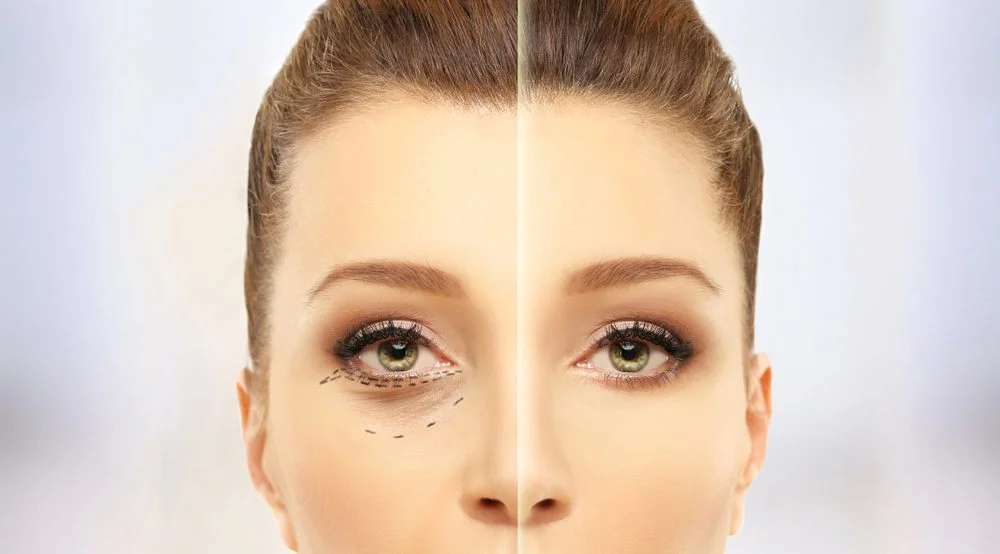
Preventing the Progression of Ptosis
It is difficult to completely prevent ptosis from developing or progressing, especially when it is congenital. Acquired ptosis may also arise from causes that are not preventable. For example, natural age‑related changes can weaken the eyelid muscles over time. Other factors, such as unexpected eye injuries, surgeries, or progressive damage to nerves and muscles, can also be hard to avoid.
A 2015 study in the Aesthetic Surgery Journal reported no clear association between ptosis and lifestyle factors such as smoking, alcohol use, or body mass index (BMI). However, avoiding contact lens overuse and excessive eye rubbing may help lower the risk of acquired ptosis.
A 2016 article in the Journal of Clinical and Aesthetic Dermatology noted that ptosis can occur as a complication of botulinum toxin (Botox) injections, particularly when performed by inexperienced injectors. Choosing a skilled and experienced provider for Botox injections, especially for frown lines between the eyebrows, can significantly reduce the risk of developing droopy eyelids.
Symptoms of Ptosis
The main symptom of ptosis is the drooping of the upper eyelid itself. In many cases, the drooping is mild, barely noticeable, and does not cause pain. In other cases, a person may feel that the condition negatively affects their appearance and self‑confidence, which can impact mental well‑being.
In some people, the eyelid may cover enough of the eye to interfere with vision, particularly when reading or looking downward. To compensate for the blocked visual field, a person may unconsciously raise their eyebrows, which can lead to fatigue and strain in the facial muscles.
Treatment of Ptosis
Treatment for ptosis depends on how severe it is and whether it affects vision or quality of life. Since ptosis rarely causes pain or serious health problems, many people do not need treatment. However, treatment may be recommended for cosmetic reasons or to improve vision.
Surgery can be used to treat ptosis in selected cases. The goal of ptosis surgery is to tighten or shorten the levator muscle so that it can lift the eyelid more effectively. This procedure is generally safe, but complications can occur. In some cases, surgery may under‑correct or over‑correct the problem, leaving the eyelid either too high or too low, and a second procedure may be needed.
When ptosis is caused by Botox injections, treatment may include gentle stimulation of the affected muscles with the back of an electric toothbrush, using specific eye drops, or simply waiting for the effect of the toxin to wear off. In most cases, Botox‑related ptosis resolves on its own within 3 to 4 weeks.
Read also: A Set of Questions After My Experience with Retinal Detachment
Complications of Ptosis
Ptosis is unlikely to cause serious health complications in most people. In many cases it is mainly a cosmetic issue and has little impact on daily activities. However, in some situations it can impair vision or cause a noticeable change in appearance, which may bother the patient.
When ptosis is related to Botox injections, the condition is usually temporary and improves as the medication’s effect diminishes. In other situations, the condition can often be managed effectively, and surgical treatment is available when needed.
Read also: My Experience with Glaucoma and the Best Eye Drops for Treating Glaucoma

Caring about your family’s eye health means keeping up with regular visits to the ophthalmologist, protecting your vision, and following your doctor’s advice and recommendations. To enjoy strong, healthy eyesight with minimal problems, visit our clinics to benefit from the best specialized eye surgeries.