Med info
My Experience with Immediate Dental Implants

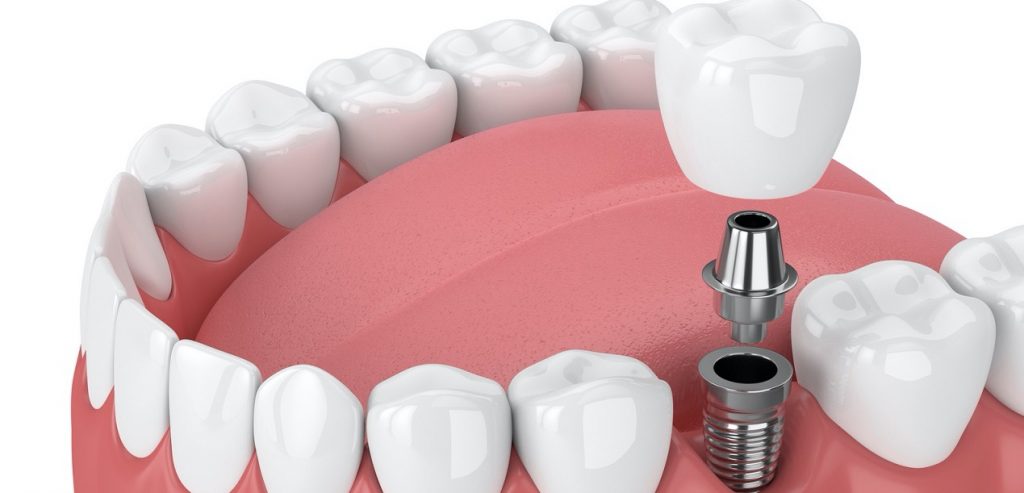
Traditionally, new dental implants are left to heal and undergo osseointegration with the jawbone over several months without any disturbance or additional treatment. However, in certain cases it has now become possible to speed up this process and place a temporary prosthetic tooth during the same visit in which the tooth is extracted and the implant is inserted.
Read also: Types of Braces with Pictures and Prices
Information About My Experience with Immediate Dental Implants
In general, immediate dental implants provide patients with a temporary prosthetic tooth during the same visit after removing the damaged tooth and placing the implant. One of the main advantages is that the patient does not have to wear a removable denture to hide the missing teeth. Immediate implants also usually require fewer visits to the dentist. This technique is used only for carefully selected patients who cannot wait for the full treatment timeline of conventional dental implants.
Immediate dental implants are usually recommended for patients who:
However, the process of immediate implant placement is not completely straightforward. The patient will still need to return for a follow‑up visit at a later date to have the final permanent prosthesis placed, and must make sure to avoid chewing on the side where the implant was inserted.
Initial Consultation for Dental Implants
The success of immediate dental implants depends greatly on the skill and experience of the implant surgeon. It is essential to inform the dentist about your full medical history and any health conditions or diseases. The dentist will then thoroughly examine your oral health, using dental X‑rays and 3D imaging.
Based on this detailed assessment, the dentist will determine whether you are a suitable candidate for immediate implant surgery. Only certain patients and specific clinical situations are appropriate for immediate implants. Careful case selection, proper treatment planning, and strict adherence to surgical and prosthetic protocols are the keys to long‑term success with immediate implants.
Once the treatment plan is finalized, an appointment will be scheduled for the actual surgery, depending on how many teeth need to be replaced. The dentist will use one of three main types of dental implants.
Read also: Types of Dental Fillings
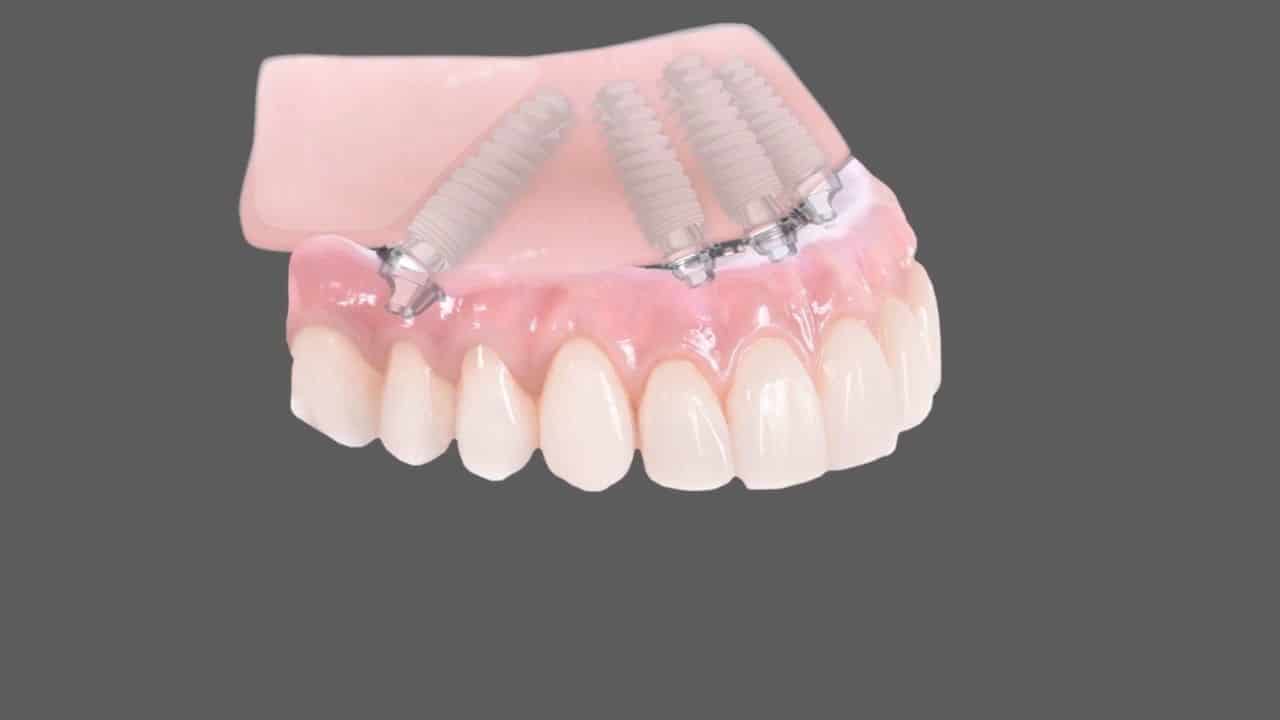
Tooth Extraction and Implant Placement
If a tooth needs to be extracted, this may be done either several weeks before the implant surgery or on the same day the implant is placed. The decision generally depends on the amount and condition of the existing jawbone.
The Extraction Procedure
Tooth extraction is usually performed under local anesthesia. The tooth is gently mobilized until it becomes loose enough to be removed. Any infected or diseased tissue and bone are also removed during this step. The goal is to extract the tooth with minimal trauma or damage to the extraction socket, surrounding gum tissue, and neighboring teeth.
Dental Implant Surgery
Implant surgery can take a few hours. On the day of surgery, either local anesthesia with sedation or general anesthesia may be used, depending on how many implants will be placed and on the patient’s pain tolerance and anxiety level. Once adequate anesthesia is achieved, the surgery begins.
The implant can be inserted manually or with the aid of a digitally designed, fully customized 3D surgical guide that helps position the implant at the correct angle and depth. Surgical guides are usually reserved for more complex cases because they allow the dentist to place the implants with high precision and a wide safety margin.
Placement of the Prosthetic Restoration
After the implant is inserted, it will be fitted with a prosthetic restoration that will act as the replacement tooth or teeth (a crown, bridge, or denture). Depending on the case, this initial restoration is often temporary while the permanent prosthesis is being fabricated.
The patient will typically need to return within about two weeks to have the final prosthetic restoration fitted. Proper prosthetic design and fit are critical; ill‑fitting restorations can lead to implant failure.
Read also: Types of Dental Implants and Their Prices
Risks of Immediate Dental Implants
Some of the risks associated with immediate dental implants include:
The success rate of conventional dental implants is around 95%. In comparison, immediate implants carry a higher risk of failure due to an increased chance of infection and inadequate healing.
The risk of peri‑implant infection is higher in patients with poor oral hygiene or pre‑existing periodontal disease, which is often the main reason they needed implants in the first place.
The likelihood of implant failure also increases if the process of osseointegration is disturbed. With immediate implants, a prosthetic restoration is attached soon after surgery, which can subject the implant to early loading. Patients are advised to eat only soft foods during the first two months after surgery to minimize excessive force on the implant.
Smoking significantly increases the risk of implant failure. Dentists generally advise smokers to stop smoking during the osseointegration period, which can last up to six months after initial implant placement.
Heavy Reliance on the Dentist’s Skill and Experience

The success of any immediate implant treatment depends heavily on the dentist’s clinical skills and experience. Patients are encouraged to ask for before‑and‑after photos of previous immediate implant cases. You are also advised to visit the Dental Center at the Al Batal Specialized Complex in Jeddah, which offers a highly skilled team and comprehensive surgical care for dental procedures.
Some of the key factors dentists consider include:
Read also: Best Dentist in Jeddah