Med info
My Experience with Glaucoma and the Best Eye Drops for Treating It

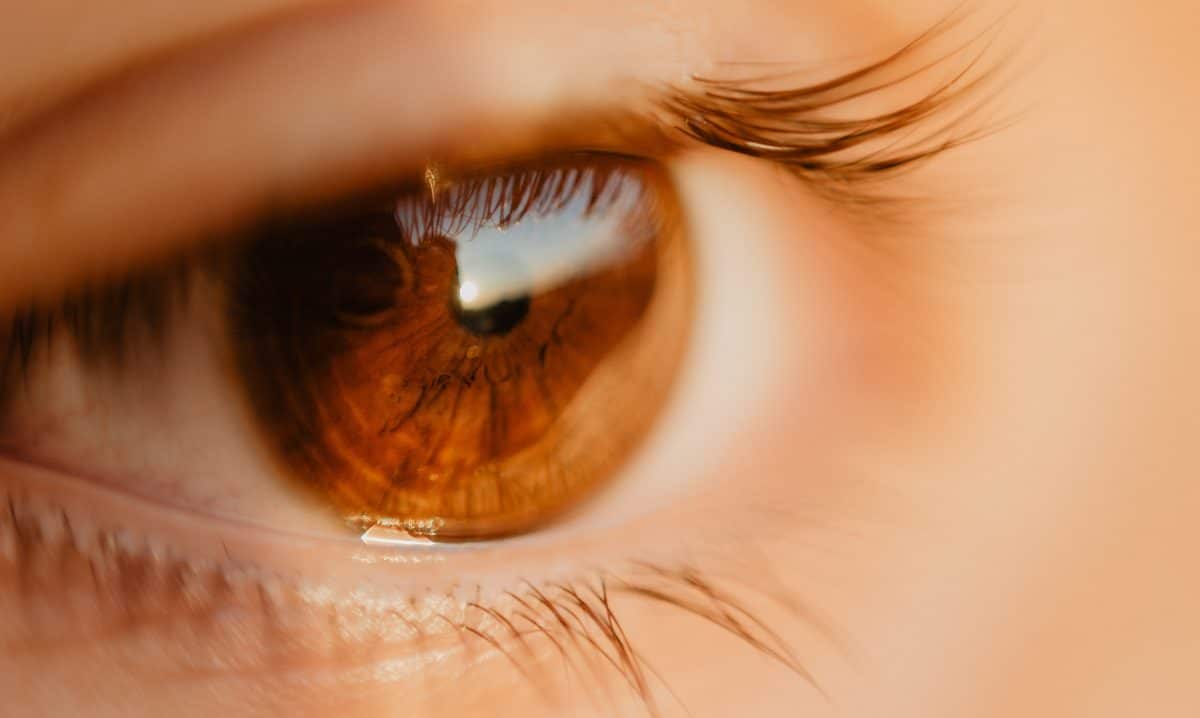
Whenever you ask any patient to talk about glaucoma, you’ll often hear: “My experience with glaucoma hasn’t been easy.” Glaucoma is a condition in which pressure builds up inside the eye for various reasons. This increased pressure can damage the optic nerve as well as the nerve fibers in the retina. The damage usually progresses slowly, which is why regular eye exams with an ophthalmologist are so important.
The most common form—chronic open‑angle glaucoma—affects up to 2% of people over the age of 40 and around 5% of those over 80. In one country alone, more than 500,000 people are estimated to have this condition, many of them unaware they even have glaucoma. This age‑related type of glaucoma can often be controlled or slowed using eye drops, laser treatment, or surgery.
My Experience with Glaucoma: A Patient’s Personal Story
Many people live with several medical conditions at the same time, which can make treatment more complicated. In this personal story, a patient describes what happened under the title “My Experience with Glaucoma,” explaining how she discovered she had glaucoma while undergoing testing for cancer.
“My experience with glaucoma,” she says, “began when I needed a spinal biopsy. My doctor advised me to see an ophthalmologist and an oral surgeon for cancer screening. The oral surgeon removed a large patch from the inside of my mouth, and I was waiting for the biopsy results. That’s when the eye doctor gave me the news that I had glaucoma.”
“After some time off and then going back to work—on top of getting bad news and having two quick surgeries—I honestly felt like I was 90 years old. I was completely exhausted, my back hurt terribly, my mouth was killing me from the oral surgery, and on top of that, my teeth were aching. But I was still genuinely happy to be back at work.”
“The doctor gave me something to help me sleep, and I’ve been trying to eat better, adding more fruits and vegetables. I can’t go to the gym for a few more months. Overall, that’s my real experience as a glaucoma patient.”
In the rest of this article, we’ll explain the main treatment options for glaucoma and how to live with the condition.
What Eye Drops Are Used to Treat Glaucoma?
Glaucoma can be treated in several ways, including medications, laser procedures, and surgery. All of these treatments aim to control the pressure inside the eye and prevent damage to the optic nerve. Medications are usually the first line of treatment, depending on the type of glaucoma you have. These medications are typically prescribed as eye drops, and there are several different classes of drops used.
How Do Glaucoma Eye Drops Work?
The goal of glaucoma eye drops is to lower intraocular pressure either by reducing the amount of fluid (aqueous humor) the eye produces or by increasing the outflow of this fluid from the eye. The exact mechanism depends on the type of glaucoma and the class of medication. Some eye drops do both.
Sometimes ophthalmologists prescribe a combination of different eye drops to reduce the risk of vision loss and to provide more effective pressure control. Other combinations are used to lower the chance of side effects.
How Should Glaucoma Patients Use Their Eye Drops?
Proper technique is essential for glaucoma eye drops to work as intended. Using them correctly ensures the medication is as effective as possible. The number of drops and how often you use them will depend on what your doctor has prescribed, but the steps for applying them are usually similar.
First, tilt your head back, or lie down if that makes it easier. Instill the drop into the lower eyelid pocket. After putting in the drop, gently press on the inner corner of your eye (near the bridge of your nose), where the tear ducts are. This helps prevent the medication from draining away through the tear ducts and allows more of the drop to stay in the eye and do its job.
The Best Types of Eye Drops for Glaucoma
There are several major classes of glaucoma eye drops, including the following:
Prostaglandin Analogues
Medications in this class work by improving the outflow of fluid from the eye, helping to lower elevated intraocular pressure (ocular hypertension).
Common examples include:
– Latanoprost
– Travoprost
– Bimatoprost
– Tafluprost
These drops may cause certain changes in the eyes, such as mild redness, darkening of the iris color, and darkening or lengthening of the eyelashes. Prostaglandin analogues are usually used once a day, typically at night. They are generally very effective for treating primary open‑angle glaucoma, the most common form of the disease.
Beta‑Blockers
This class of glaucoma eye drops lowers eye pressure mainly by reducing the production of aqueous fluid inside the eye.
Common examples of beta‑blocker eye drops include:
– Timolol
– Betaxolol
– Levobunolol
– Carteolol
Beta‑blockers can sometimes cause systemic (whole‑body) side effects, such as a slow heart rate, worsening of asthma or other breathing problems, dizziness, and fatigue. Your ophthalmologist can teach you techniques—such as pressing on the inner corner of the eye after instilling the drops—to help lower these risks. These drops are usually used once or twice daily and may also be prescribed in combination with other glaucoma medications for better control.
Alpha‑Adrenergic Agonists
Alpha agonists are a class of glaucoma eye drops that both reduce fluid production and increase fluid drainage from the eye.
Examples include:
– Brimonidine
– Apraclonidine
Allergic reactions are among the most common side effects of this group. These reactions are sometimes related to the preservatives used in certain eye drop formulations.
Carbonic Anhydrase Inhibitors
This group of eye drops works by decreasing the amount of aqueous fluid produced in the eye.
Examples include:
– Dorzolamide
– Brinzolamide
Carbonic anhydrase inhibitors are also available in oral tablet form (such as acetazolamide and methazolamide). Some people experience more noticeable side effects when taking them by mouth. As eye drops, they are usually used 2–3 times a day, either alone or in combination with other glaucoma drops.
Combination Eye Drops
Some patients need more than one type of medication to keep intraocular pressure under control. Combination eye drops contain two active ingredients in a single bottle, which can help reduce exposure to preservatives and may lower the risk of allergic reactions.
Common combinations include:
– Timolol + Dorzolamide
– Timolol + Brimonidine
– Timolol + Latanoprost
– Brinzolamide + Brimonidine
Your ophthalmologist will explain why a particular combination is recommended and how it fits into your overall treatment plan.
New Treatments for Glaucoma
A newer class of anti‑glaucoma drugs called Rho kinase inhibitors has passed clinical trials in the UK. These medications work by increasing the outflow of fluid from the eye through specific drainage pathways, thereby helping to lower intraocular pressure. Some formulations combine a Rho kinase inhibitor with other established glaucoma medications.
Using Eye Drops to Treat Glaucoma
Eye drops remain the cornerstone of glaucoma treatment and should be used exactly as directed by your ophthalmologist. It is crucial to keep using your medications even if you don’t notice any obvious vision problems. Skipping or stopping treatment can put your eyesight at serious risk.

Your eye doctor may need to try different preparations and combinations of drops to find the most effective balance with the fewest side effects. Regular follow‑up visits and honest communication about how you’re using your drops and any side effects you notice are key to protecting your vision over the long term.