Med info
LASIK Surgery Requirements in Detail

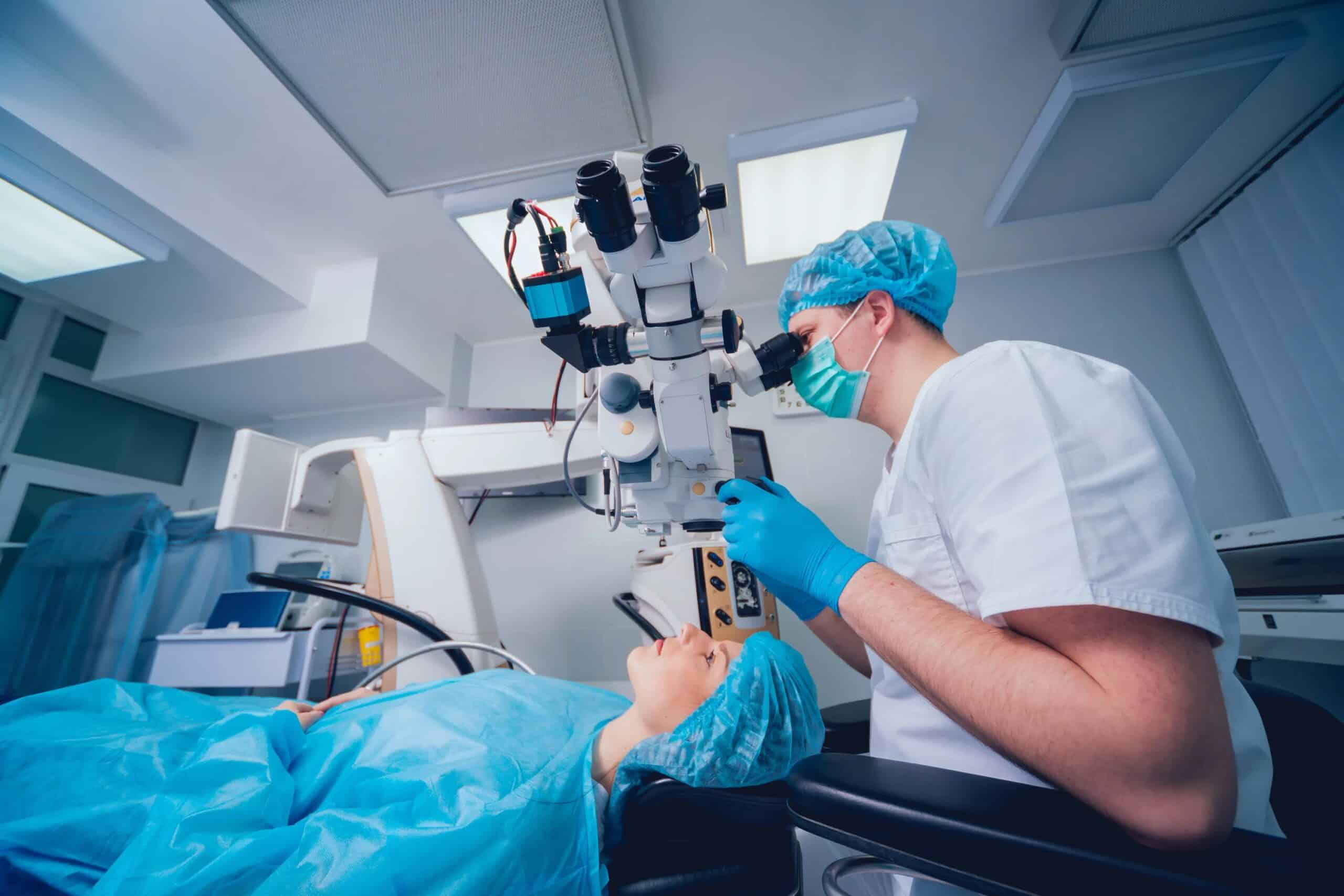
Understanding the requirements for LASIK surgery is just as important as understanding the procedure itself. LASIK can help correct myopia (nearsightedness), hyperopia (farsightedness), and astigmatism (when the cornea is more oval than round). In most cases, LASIK (Laser-Assisted in Situ Keratomileusis) is performed to correct nearsightedness.
In general, LASIK works by reshaping the cornea to improve how light is focused and reflected on the retina, thereby correcting blurry vision. LASIK is usually not recommended for people with presbyopia (age-related loss of near focusing ability, where reading glasses are needed but distance vision may also be problematic).
However, this condition can sometimes be managed with LASIK by creating “monovision,” in which one eye is corrected for distance vision and the other for near vision. LASIK is most commonly performed on people between 20 and 40 years of age, but there are important considerations and, at times, limitations. This raises the question: what are the detailed eligibility criteria for LASIK, who is allowed to undergo it, and what are the precise requirements for vision correction? This article provides a complete overview of everything related to LASIK vision correction criteria.
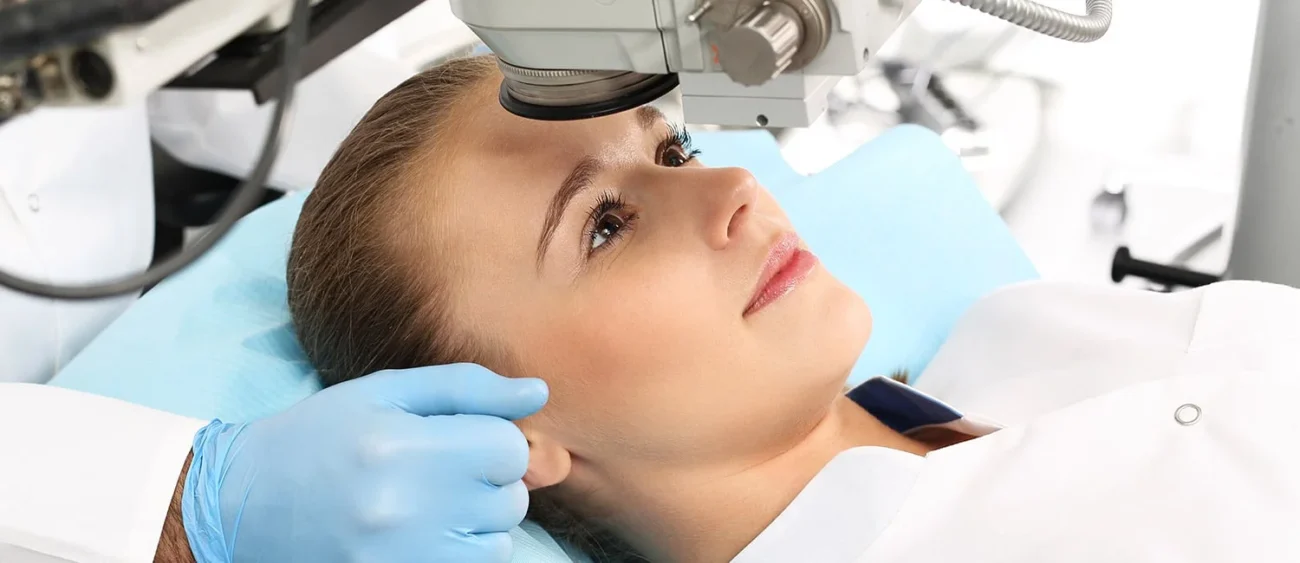
LASIK Vision Correction – Batal Medical Complex
Age- and Diet-Related Requirements for LASIK Vision Correction
Several factors (LASIK eligibility criteria) must be carefully evaluated before deciding on this type of surgery. These factors help determine whether you are too young, too old, or generally suitable for LASIK. Key factors include:
Healthy Eyes
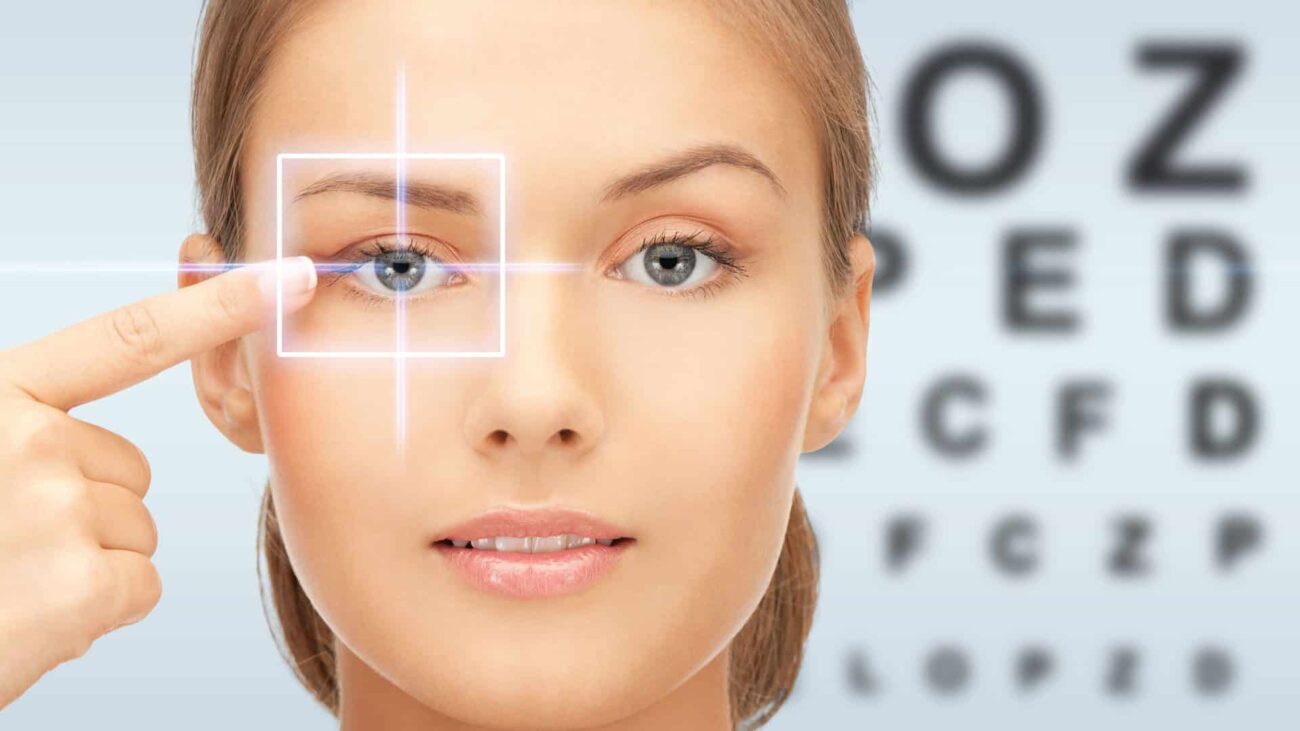
The health of your eyes is one of the main factors that determines whether you are a good candidate for LASIK. Your eyes should be reasonably healthy and your prescription stable before considering surgery. Certain eye conditions and unstable vision can disqualify you from LASIK, regardless of your age.
To be approved for LASIK, your prescription should be stable for at least the previous two years. In other words, your eyeglass or contact lens prescription should not have changed during the last 24 months. It is also important that your eyes are healthy and stable, because LASIK is a permanent surgical procedure and is not easily reversed once performed.
Regulations, Medications, and the FDA

Another factor to consider when determining age-related LASIK requirements is the U.S. Food and Drug Administration (FDA) guidelines. The FDA has strict regulations regarding eye treatments, including LASIK.
LASIK is officially approved only for patients 18 years of age and older, as children and teenagers (under 18) rarely have stable vision. This means there is a risk that the surgery will not provide lasting benefits.
Younger patients also have a higher risk of irreversible damage to the eye. In some very specific situations, an ophthalmologist may approve LASIK for someone under 18, but this is rare.
For example, an eye surgeon might consider LASIK for a child or teenager only if the vision is so poor that LASIK is the only realistic option to improve or preserve sight.
In other words, the person’s vision must be severely impaired to the point that surgery is the only way to prevent permanent visual disability. It is also important to note that although age 18 is the FDA’s minimum approved age for LASIK, this does not mean that all surgeons will operate as soon as a patient turns 18.
Other factors, along with age, determine whether LASIK is appropriate for a given patient. People’s eyes do not mature at the same rate: some individuals have fully developed, stable eyes at 18, while others do not reach full stability until age 21 or even later. All of these considerations are taken into account when assessing LASIK eligibility.
Children and Teenagers

Children and adolescents are generally not old enough for LASIK. As mentioned, in very rare cases an eye surgeon may decide to perform LASIK on someone under 18, but only when there is a high risk of permanent vision loss without the procedure.
If LASIK is approved for a child or teenager, the surgeon will typically use general anesthesia or stronger sedation to keep the patient completely still during the procedure, as even slight eye movements can increase the risk of complications.
Adults, on the other hand, are usually kept awake during LASIK, since they can better control their movements and thus reduce the risk of complications. Again, some people’s eyes are fully developed by 18, while others do not reach full maturity until around 21 or later.
In many cases, when LASIK is performed on patients under 18, any visual improvement may be only temporary. Because children’s and teenagers’ eyes are still changing, they often require additional LASIK procedures later on. The corneal shape may continue to change for some time, which is why early LASIK is rarely recommended.
Middle-Aged and Older Adults

The ideal age range for LASIK is usually between 20 and 40 years. After age 40, the eyes often begin to change again. During this period, vision may deteriorate and the risk of presbyopia increases. It is important to understand that LASIK does not correct presbyopia (difficulty focusing up close, which makes near tasks like reading more difficult).
People aged 60 and older may also be at higher risk of developing cataracts. However, if someone is 70 or 80 years old and does not have cataracts, has stable vision, and does not suffer from other eye diseases, they may still be a candidate for LASIK vision correction.
In fact, some leading ophthalmologists note that older adults with healthy eyes and stable vision can be better candidates than many people in their 20s and 30s.
Eligibility Criteria for LASIK Vision Correction
To be considered a good candidate for LASIK, patients must meet several key criteria before being approved for surgery. These include:
Meeting Age Requirements
Performing LASIK on eyes that are still developing often leads to inaccurate or short-lived results. Many clinics require candidates to be at least 21 years old and no older than about 40, since the eyes typically finish developing and stop changing significantly within this age range.
Adequate Corneal Thickness
LASIK works by reshaping the cornea. The cornea is a thin, transparent layer of tissue covering the front of the eye. It must be thick enough to allow for safe reshaping. If the cornea is too thin, LASIK may weaken the eye or increase the risk of complications, and other refractive procedures may be recommended instead.
No Active Blepharitis
Blepharitis occurs when the tiny oil glands along the eyelid margins, which help keep the eyes lubricated, become blocked and inflamed. While blepharitis is not usually dangerous, it significantly increases the risk of dry eye after surgery and can negatively affect healing. Active blepharitis should be treated and controlled before proceeding with LASIK.
No Autoimmune Disease
Autoimmune diseases affect the immune system and often cause the body to attack its own tissues. Examples include celiac disease, HIV/AIDS, rheumatoid arthritis, and others. These conditions can impair wound healing and interfere with proper recovery after LASIK, increasing the risk of complications. For this reason, many surgeons consider uncontrolled autoimmune disease a contraindication to LASIK.
Is There a Specific Age Limit for LASIK?
When people ask, “Is there a specific age for LASIK?”, the answer is that age does influence your candidacy, but it is not an absolute rule.
There is no strict upper age limit for LASIK. However, most LASIK surgeons will not operate on patients younger than 18 because their prescriptions are likely to continue changing through the late teenage years and even into early adulthood.
Although laser eye surgery has been performed on children with severe vision problems, these cases are exceptional. In general, the most common age range for LASIK is between 20 and 40 years. Many doctors specifically recommend LASIK vision correction after 20 and before significant age-related changes begin in the 40s.
The FDA has approved LASIK for patients 18 years and older, but most providers prefer that patients wait until their mid‑20s, after their prescription has been stable for some time.
While FDA approval begins at age 18, it is often wiser to wait a few additional years. Vision commonly continues to change up to around age 24, which is why many LASIK surgeons seldom recommend the procedure for patients under 25 in the general population. Special consideration may be given to those in the military, law enforcement, or professional athletes, depending on their visual needs and occupational demands.
Can You Use Your Phone After LASIK?
Many patients ask: can I use my phone after LASIK? Although using your smartphone after surgery is generally safe, it is advisable to limit screen time initially.
Staring at digital screens for long periods can lead to eye strain and dryness, which may slow the healing process. Take frequent breaks and follow the 20-20-20 rule: every 20 minutes, look at something 20 feet away for 20 seconds.
Make sure your screen brightness is set to a comfortable level that does not strain your eyes. It also helps to increase text size to reduce the need for squinting or intense focusing.
Avoid reading or using your phone in dim lighting, as this can further strain your eyes. Always ensure you have adequate lighting to minimize unnecessary eye fatigue.
Whatever visual symptoms or eye problems you may have, precise diagnosis and appropriate treatment by a skilled ophthalmologist using effective medical technology are essential for protecting your vision. Whatever eye condition you are dealing with, you can book an appointment at Batal Specialty Medical Complex for a comprehensive eye examination and to begin addressing your problem, no matter how complex it may be.
To achieve the best possible results from LASIK, your eye health should be stable and your age ideally between 18 and 40. At Batal Specialty Medical Complex, experienced specialists such as Dr. Eissa Ba-Eissa, Dr. Bara Fattah, and Dr. Saud Al-Johani provide high‑quality care to help ensure a successful outcome. Contact us today to schedule your appointment.