Med info
Laser Vision Correction: Get Ready for a New View in 2026

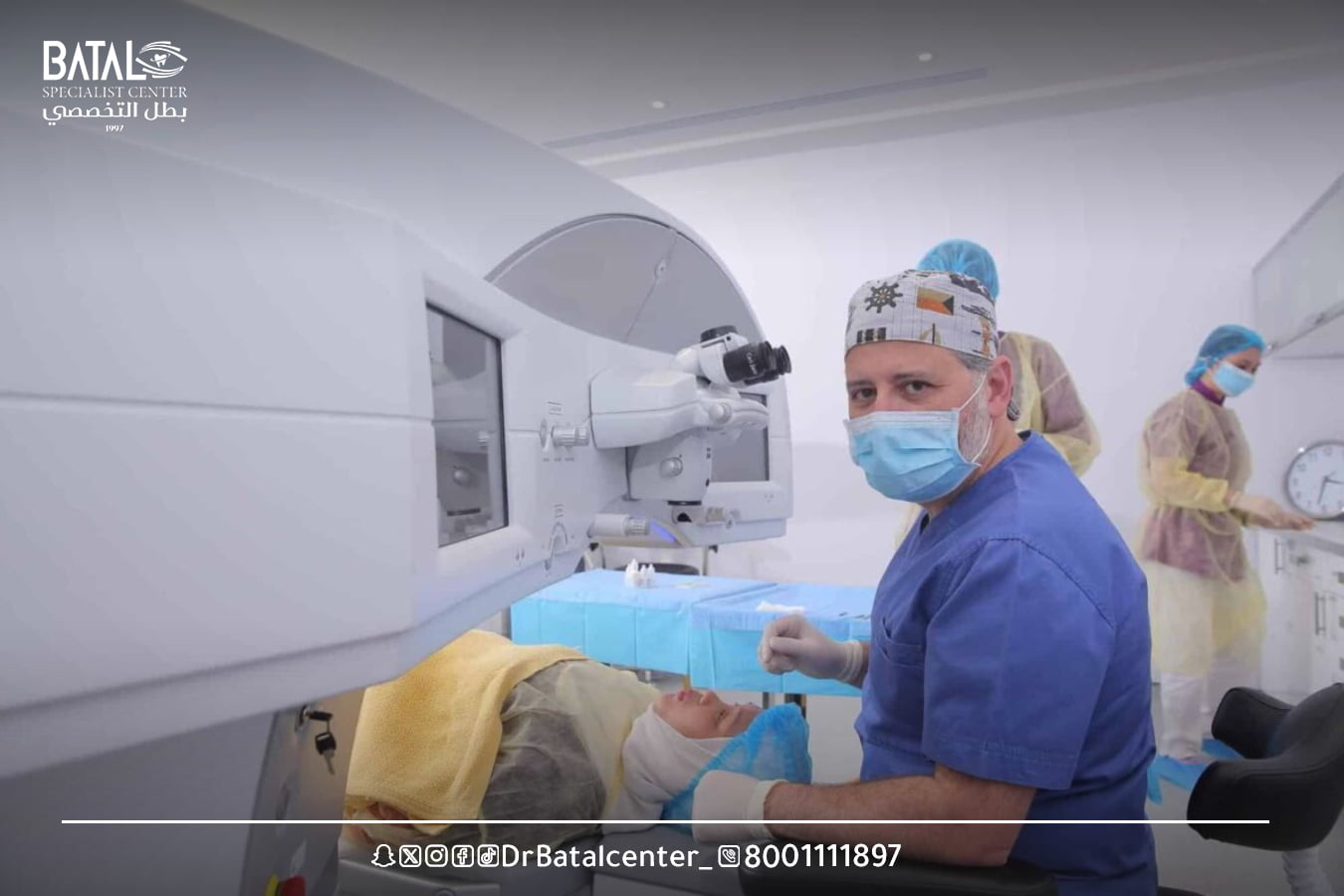
For people who wear glasses or contact lenses all the time, laser vision correction can be very appealing. There are several different laser eye surgery options, including LASIK, SMILE laser eye surgery, and PRK procedures.
However, the idea of laser eye surgery can also feel intimidating, since the eyes are very delicate organs. Keep reading to learn what you need to know about the different types of laser vision correction.
What Is Laser Vision Correction?
Laser vision correction is a surgical alternative to glasses or contact lenses. It’s an outpatient procedure that uses a cool beam of light to reshape the surface of the eye (the cornea), thereby changing the eye’s focusing power.
The laser delivers gentle pulses to remove microscopic amounts of tissue, altering the curvature of the cornea so that images can focus more sharply on the retina.
Laser Vision Correction in English
The medical term most commonly used for laser vision correction is <strong>LASIK</strong>, which stands for <strong>Laser-Assisted In Situ Keratomileusis</strong>.
Types of Laser Vision Correction Surgery
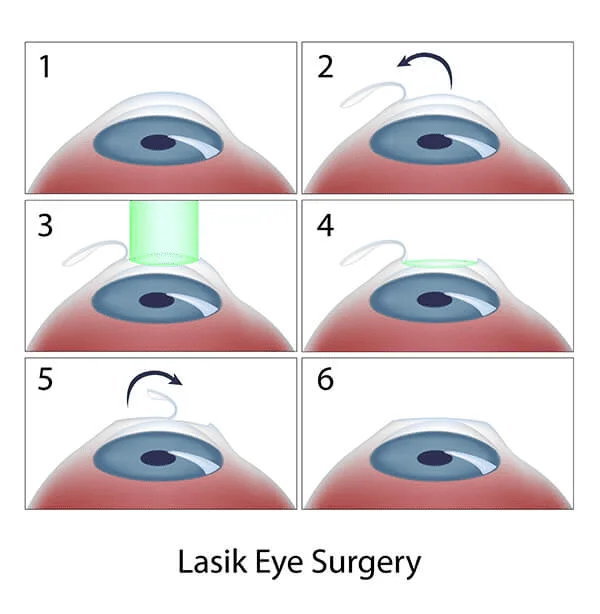
Each type of laser vision correction procedure has its own advantages and disadvantages. They can also differ in cost and recovery time. Not everyone is a good candidate for every type of laser procedure. Among the most important options:
Presbyond (German Technology)
Presbyond is designed for people with presbyopia, an age-related condition where your ability to focus on near objects gradually decreases. The German Presbyond laser eye surgery is a variation of LASIK. Instead of fully correcting each eye for perfect distance vision, Presbyond aims to blend a degree of near vision into each eye as well.
Using a computer-guided algorithm, the eye surgeon at Batal Specialized Center in Jeddah can apply a LASIK-based technique to give one eye more near vision, while the other eye remains primarily optimized for distance with some near focus. Over time, your brain adapts to this new visual experience (so‑called “blended vision”).
Femto-LASIK
With Femto-LASIK, vision is corrected using two types of lasers: a femtosecond laser and an excimer laser.
The corneal flap or “cap” is created without using a microkeratome blade; instead, it is formed with a femtosecond laser. This is a brief procedure in which the corneal stroma is separated by ultra-short laser pulses.
The femtosecond laser creates the flap with high precision, and the procedure then continues with the excimer laser, which reshapes the exposed corneal surface with laser pulses.
At the end of the procedure, the corneal flap is repositioned. After Femto-LASIK vision correction, a protective contact lens is placed on the patient’s eye and typically removed the next day.
Femto-SMILE
SMILE laser eye surgery (Small Incision Lenticule Extraction) is one of the newest techniques and the only major method that does not use an excimer laser. During this procedure, the surgeon uses a specialized femtosecond laser.
Instead of lifting a large flap on the surface of the cornea to access deeper tissue, Femto-SMILE uses the femtosecond laser to create a thin, disc-shaped piece of tissue (a lenticule) inside the cornea without disturbing most of the outer layers. This lenticule is then removed through a tiny keyhole incision, changing the overall curvature of the cornea.
Currently, SMILE is not suitable for farsightedness (hyperopia), but it can be used to correct nearsightedness (myopia) and astigmatism. Because it is minimally invasive, the biomechanical stability and structural integrity of the cornea are generally better preserved. There is also a lower rate of certain postoperative complications compared with LASIK, such as dry eye.
Steps of Laser Vision Correction Surgery

Recovery after laser vision correction:
Requirements Before Laser Vision Correction
Patients should schedule an appointment with an eye doctor before undergoing laser vision correction and follow the recommended instructions, including:
Who Is a Candidate for Laser Vision Correction?
You may be a candidate for laser eye surgery if:
Results After Laser Vision Correction
Immediately after laser vision correction, you can expect some degree of blurry vision. However, if you have undergone SMILE or Femto-LASIK, many people report that their vision often starts to improve within a few hours. You may experience:
If you had PRK, your vision may remain blurry for several weeks while the corneal epithelium grows back. PRK is also associated with more discomfort during early recovery. Your surgeon will give you detailed postoperative instructions and prescribe medicated eye drops to control inflammation and prevent infection. You will likely be asked to:
Side Effects and Risks of Laser Vision Correction—Do They Exist?
Laser vision correction does carry some risks and potential drawbacks. These can include:
The Cost of Laser Vision Correction
Laser eye surgery is often advertised at heavily discounted prices in many clinics. Unfortunately, this is a poor practice that can lure patients into the system, and many end up facing additional issues or complications.
At Batal Specialized Center in Jeddah, the surgeon tailors the treatment for each individual eye and chooses the most appropriate option. Several factors can influence the final cost of laser vision correction.
In Saudi Arabia, the price of laser vision correction typically ranges from about 2,000 to 7,000 SAR, depending on these factors.
Post-Laser Vision Correction Tips from Batal Specialized Center
After laser eye surgery, your eye care specialist will give you a clear plastic shield to wear. This protects your eye from accidental trauma that could interfere with healing. Other important points to keep in mind include:
Frequently Asked Questions About Laser Vision Correction
People considering laser eye surgery should generally be at least 20 years old before undergoing the procedure.
Most LASIK patients achieve functional vision within 24 hours of surgery, while others may need about two to five days of rest.
Your doctor may advise against laser vision correction if you have certain medical conditions, including autoimmune disorders such as rheumatoid arthritis, since many autoimmune diseases are associated with dry eye syndrome.
Yes, the changes made to the cornea with this advanced laser treatment are considered permanent. However, your vision can still change over time as part of the natural aging process.
You will need to avoid using tablets, watching TV, and working on a computer for at least 24–48 hours after surgery.