
Med info
Laser Eye Surgery or Contact Lenses: Which Is Better?

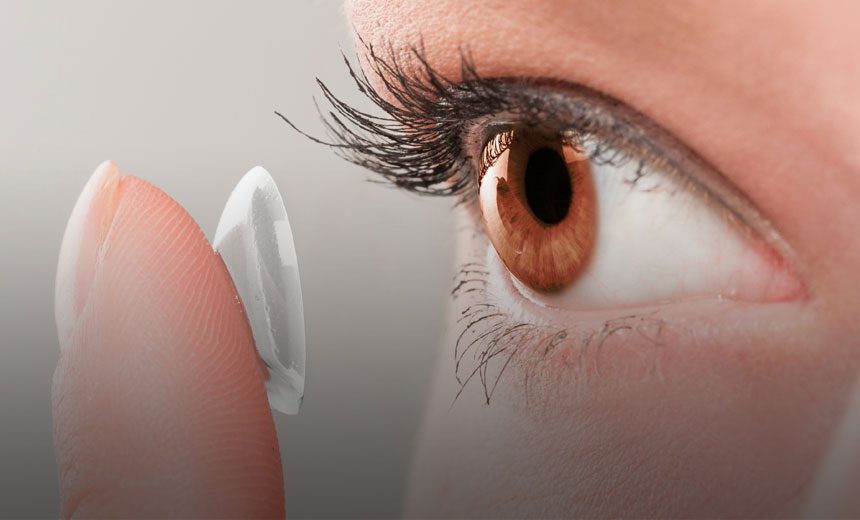
If you’re not a fan of wearing glasses, you’ve probably already considered contact lenses—or you may be using them now. But have you ever thought that laser eye surgery might actually be a better option?
If you’re like more than half of the population, you need vision correction for a condition such as myopia (short‑sightedness), hyperopia (long‑sightedness), astigmatism, or presbyopia, and you’re already wearing contact lenses or glasses. In that case, it’s worth considering laser eye surgery at least once as a serious option. However, which choice is more suitable for you depends on several factors, which we’ll go over in this article.
Read also: Is Femto-LASIK Safe? A Complete Answer from Batal Specialist Center
The Right Age for Laser Eye Surgery
Many people mistakenly believe that laser eye surgery can only be done in the late twenties or early thirties. In reality, you can be a candidate for laser eye surgery any time after the age of 18, provided your prescription is stable.
Another common misconception is that there is a strict upper age limit for laser eye surgery. In fact, once you turn 18, laser eye surgery may be one of the preferred options for vision correction, depending on your eye health and prescription.
After about age 45, most people develop a condition called presbyopia (age‑related difficulty focusing up close). They then find themselves needing bifocal or multifocal glasses, multifocal contact lenses, or even two separate pairs of glasses—one for distance and one for near tasks.
Procedures such as PresbyLASIK or monovision laser correction, where one eye is corrected for distance and the other for near vision, can be an excellent solution for managing presbyopia.
Read also: Can You Have Laser Eye Surgery Twice?
Lifestyle Factors and Laser Eye Surgery
Many of us lead very busy, active lives. Long workdays of 10 hours or more are common, and a lot of people play sports or have physically demanding hobbies. Wearing contact lenses or glasses can interfere with these activities.
Overusing or misusing contact lenses is a common problem. It can lead to dry eyes, corneal ulcers, eye irritation and itching, headaches, corneal damage, and serious eye infections that can threaten your vision.
Laser eye surgery eliminates the need for daily contact lenses or reliance on glasses, allowing you to go about your day—whether it’s long hours at work, playing sports, or enjoying your favorite hobbies—without that constant hassle. There’s no more worrying about broken glasses or torn contact lenses, and you can travel and go on vacation with far less stress.
Read also: Can Laser Eye Surgery Fix Reading Vision Problems?
The Cost of Laser Eye Surgery
The average cost of contact lenses over ten years is around £3,600. Since wearing contact lenses seven days a week is not recommended, you’ll also need at least one good pair of glasses. When you add the cost of glasses, the average spending on contact lenses and spectacles can reach about £5,000 over ten years.
These costs continue to add up over your lifetime, especially when you factor in replacement lenses for those that are lost or torn, as well as broken or updated glasses.
By comparison, the cost of laser eye surgery is often comfortably covered by what you would otherwise spend on contact lenses and glasses over just a few years. Many people also have the option of financing through insurance or payment plans, which spreads out the cost and makes it more manageable. Over the long term, laser eye surgery is generally more cost‑effective than relying on contact lenses.
Read also: Do Reading Glasses Weaken Your Eyes? Full Answer Here
Risk of Infection
Research has shown that after 5 years of continuous contact lens wear, the risk of eye infection is 17 times higher than after undergoing LASIK surgery. The same study found that this risk rises to 34 times higher after 10 years of wearing contact lenses.
Wearing contact lenses exposes your eyes to a continuous risk of infection. By choosing laser eye surgery instead, once your eyes have fully healed, you largely avoid these ongoing risks associated with daily lens wear.

Overall, laser eye surgery carries a significantly lower long‑term risk of infection compared to regular use of contact lenses. At Batal Specialist Center, your ophthalmologist will discuss all your options with you and tailor a treatment plan based on your individual eye condition and lifestyle. Don’t hesitate to book an appointment and explore what is best for you.
Read also: The Best Ways and Glasses to Protect Your Eyes from Computer Screens