Med info
Is Vision Correction Really the Safest Option?

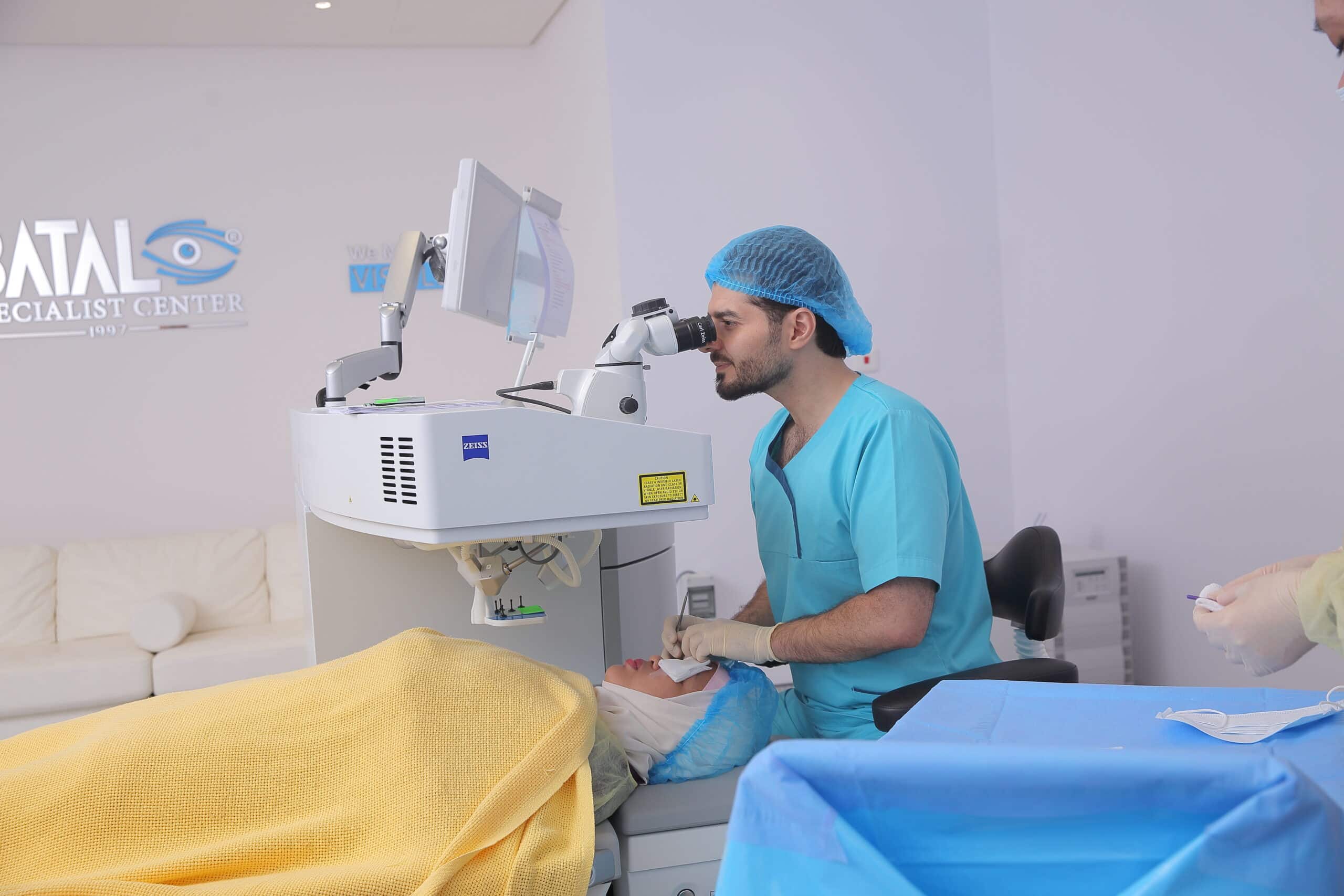
Laser technology is used in many vision correction procedures today, such as traditional LASIK, as well as newer techniques like Presbyond and Femto-SMILE, all of which help correct myopia (nearsightedness), hyperopia (farsightedness), and astigmatism. However, not all of these options are necessarily the safest choice for every person; some patients may have pre‑existing health conditions or specific eye problems that make certain procedures less suitable.
In this article, we’ll outline comprehensive vision correction options for different age groups, clarify who may not be a good candidate for certain procedures, and explain which alternatives might be better for them.
A review published in The Lancet in 2015 estimated that 217 million people worldwide had moderate to severe visual impairment, and 188 million had mild visual impairment.
The good news is that about 90% of cases of visual impairment and refractive error can be treated or significantly improved. Thanks to continuous scientific research, advanced diagnostics, and the development of new techniques beyond standard LASIK, outcomes today are much better than in the past. Techniques such as Presbyond and other customized treatments allow for more precise correction tailored to each eye’s condition and refractive status. But can these procedures really improve your vision safely, and which factors determine your suitability? That’s what we’ll explain below.
Vision Correction: LASIK Surgery
Many people who have depended on glasses or contact lenses for most of their lives hesitate before deciding to undergo laser eye surgery to get rid of them.
Yet a large number of those who actually went through with refractive surgery were extremely satisfied with the results and noticed a clear improvement almost immediately. A 2016 study from Belgium reported a 96% success rate for LASIK, while other studies suggest that LASIK success rates can reach up to 99%.
This raises an important question:
Is LASIK Suitable for Everyone?
LASIK is generally suitable for adults aged 21 and older, provided their prescription has been stable for at least one year. However, it is not ideal for people with severe dry eye, presbyopia (age‑related near vision decline), very high myopia, or very high hyperopia. In such cases, eye surgeons usually recommend alternative procedures.
Presbyopia is a normal, age‑related condition in which the eye gradually loses its ability to focus on near objects, making reading and other close‑up tasks more difficult. Traditional LASIK is not considered the best option for treating presbyopia, but Presbyond (a type of laser blended vision) can be a suitable choice for people under 45 who have presbyopia and do not want to rely on traditional reading glasses or bifocals. With Presbyond, many patients can reduce or even eliminate their need for reading glasses.
Femto-SMILE Procedure
For patients with higher degrees of myopia or hyperopia, or for those whose eye structure makes standard LASIK less suitable, surgeons may prefer a procedure called Femto-SMILE (Small Incision Lenticule Extraction).
Femto-SMILE is a modern, minimally invasive laser technique that corrects vision through a very small incision, without creating a full corneal flap as in traditional LASIK. It is often recommended for athletes and people who practice contact or combat sports because it preserves more corneal integrity and may reduce the risk of flap‑related complications. It is also particularly effective in treating stable, higher levels of myopia compared with conventional LASIK for selected patients.
Who Is Not a Candidate for Laser Vision Correction?
Under the Recommended Age
Laser vision correction is usually not recommended for patients whose eyes are still developing and whose prescriptions are still changing. A stable refraction is essential before undergoing LASIK or any similar procedure. Doctors generally need to confirm that the patient’s prescription has remained stable for at least 12 months. This level of stability is less likely to be achieved at younger ages, especially during teenage years.
Pre‑existing Eye Diseases
Certain eye conditions clearly rule out LASIK or similar procedures, such as keratoconus, severe or chronic dry eye disease, and uncontrolled glaucoma. In these cases, other vision correction options or treatments may be more appropriate.
Laser reshaping of the cornea is also usually avoided in patients with certain systemic autoimmune conditions that can affect healing, such as lupus or rheumatoid arthritis, unless carefully cleared by specialists. For people with diabetes, candidacy depends on how well their condition is controlled and whether there are diabetes‑related eye changes; the decision is made on a case‑by‑case basis by the ophthalmologist.
Pregnancy and Breastfeeding
Some eye drops used during and after laser eye surgery may not be safe in pregnancy or while breastfeeding, as they can potentially affect the fetus or infant through the bloodstream or breast milk.
Hormonal changes during pregnancy and shortly after childbirth can also temporarily alter vision and prescription. For these reasons, surgeons usually recommend postponing laser vision correction until after pregnancy and the end of breastfeeding, once vision has stabilized again.
The “Knockout Punch” Concerns After Laser Vision Correction
Some patients notice glare and halos around lights at night after vision correction surgery. Studies show that only about 0.5%–1% of patients experience persistent halos, and even then, these symptoms usually improve or disappear within 6 months.
In the past, older techniques sometimes caused more pronounced night‑vision symptoms, but most of these issues tend to resolve within about three months and rarely lead to long‑term problems. With modern technology and customized treatments, such side effects have become far less common among people having their vision corrected today. Many patients experience a noticeable improvement in their vision almost immediately after surgery.
This applies across various procedures, whether traditional LASIK, Presbyond, or Femto-SMILE. The final, most precise visual outcome becomes clearer over time as the cornea heals completely.
As with any surgery, there is always a small risk of infection, but infections after laser eye surgery are extremely rare, occurring in only about 0.02% of patients.
Historically, the most common complaints after refractive surgery were dry eyes, glare, and similar symptoms. Thanks to modern laser platforms, better diagnostics, and improved treatment protocols, these issues have decreased dramatically, and more people are now eligible for laser eye surgery than ever before.
Ultimately, today’s vision correction options are safe and effective for a wide range of patients. Advanced procedures such as Presbyond and Femto-SMILE have expanded the pool of candidates, especially for patients who are not ideal candidates for conventional LASIK. If you are anxious about having LASIK, or if you have other eye conditions or chronic health problems, it is essential to consult an ophthalmologist before making a decision.
During LASIK, a thin flap is created on the surface of the cornea, then lifted so the laser can precisely reshape the underlying corneal tissue to the desired contour. Finally, the flap is repositioned back into place, where it adheres naturally without stitches.
It is crucial that flap creation and laser reshaping are performed with extremely high precision and safety to achieve optimal results.
Currently, there are two main methods for creating the corneal flap in LASIK:
– Using a mechanical microkeratome, which has been an effective tool for many years
– Using a femtosecond laser (such as IntraLase™), which is a newer, more precise technology
You will have an individual consultation with one of our LASIK surgeons to discuss the different treatment options and determine which approach is best for you.
During this consultation, you will also learn how to prepare for surgery, what the recovery process involves, and what to expect after the procedure.
Side Effects After Laser Vision Correction
Some patients notice glare and halos around lights at night following laser vision correction. However, studies indicate that only about 0.5%–1% of patients experience halos that typically fade within 6 months. Others may develop temporary sensitivity to bright light, which usually resolves within roughly three months. Persistent night‑vision problems beyond a year are rare.
At the same time, these side effects have become much less frequent in patients undergoing modern vision correction techniques. Many people notice immediate improvement in their eyesight after laser procedures, including traditional LASIK, Presbyond, and Femto-SMILE. The full effect becomes clearer as the cornea heals completely over the following weeks and months.
As with any surgery, there is a potential risk of infection, but infections due to laser eye surgery are very rare, affecting only about 0.02% of patients.
Previously, the most frequent complaints after vision correction were dry eyes and significant glare. With today’s advanced laser options and modern medical technology, these problems have decreased considerably, and more people than ever are suitable candidates for laser eye surgery.
In conclusion, laser vision correction is an appropriate and effective solution for many people. Newer procedures such as Presbyond and Femto-SMILE are particularly useful for patients who may not be ideal candidates for traditional LASIK. If you are worried about undergoing LASIK or have other eye conditions or chronic illnesses, it is always best to consult an eye specialist before making your decision.
Laser Vision Correction
If you want to find out whether laser vision correction is suitable for you, you can book a consultation with one of our doctors to evaluate your eyes and discuss the best options in your case.