Med info
Is There an Age Limit for Laser Eye Surgery?

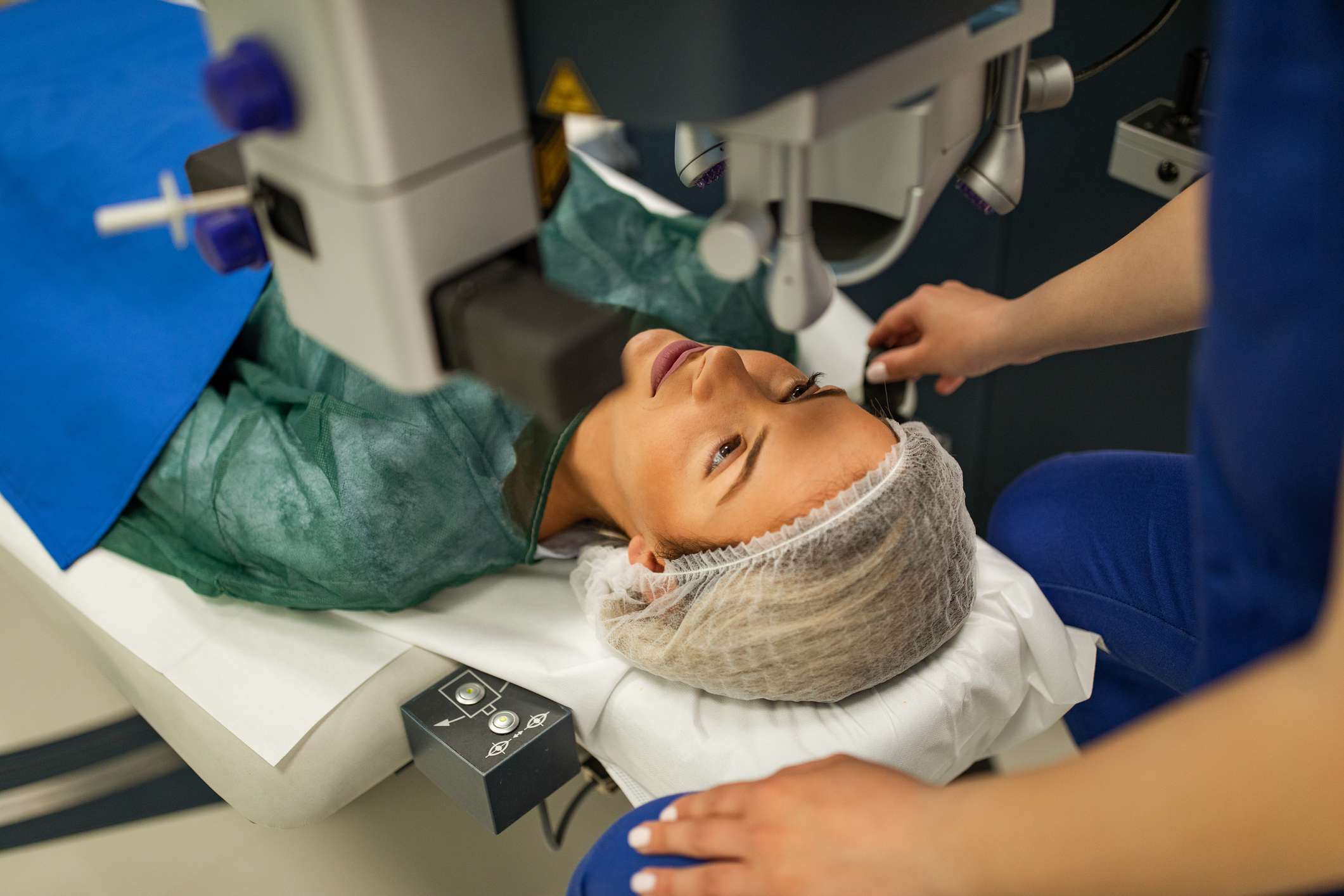
Are you tired of wearing glasses, dealing with smudged lenses, or constantly replacing broken frames? Maybe you’ve tried contact lenses but find yourself nervous every time you try to put them in. And if the thought of how much you’ll spend on regular optometrist visits and new prescriptions worries you, you might have started looking for another solution—laser eye surgery could be exactly what you need.
At Al Batal Specialized Complex, we use the latest laser eye surgery technologies to correct a wide range of vision problems, including astigmatism, hyperopia (long-sightedness), and myopia (short-sightedness). This means you may be able to live your life without constantly relying on glasses or contact lenses.
However, it’s important to determine whether you are a suitable candidate for treatment. One of the most common questions is whether there is an age limit for laser eye surgery—how young is too young, and how old is too old?
Also read: Driving After Laser Eye Surgery: What You Need to Know
How Does Laser Eye Surgery Work?
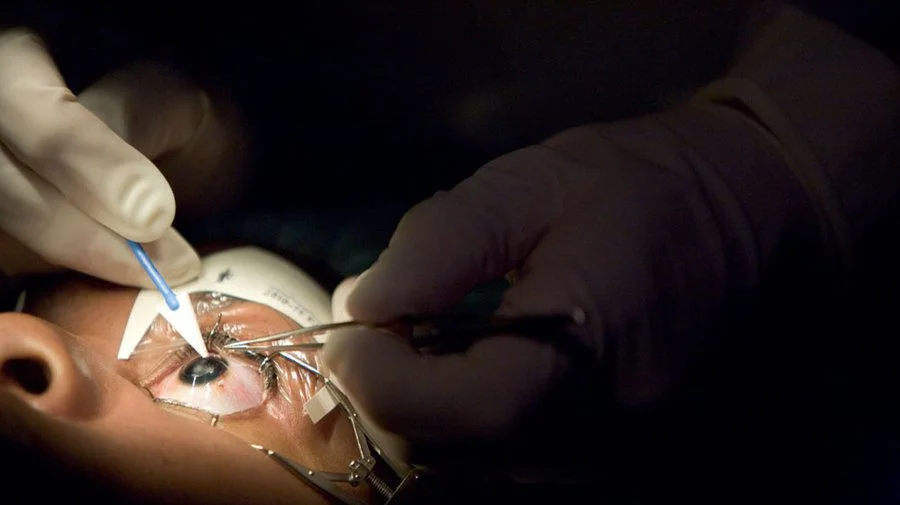
Depending on the type of laser eye treatment that’s right for you, a thin flap or surface layer is gently lifted from the front of the eye so the laser can access the underlying corneal tissue and precisely reshape it to correct your prescription.
The flap or surface layer is then carefully repositioned. In some techniques, a transparent bandage contact lens is placed on the eye for 3–5 days while the cornea heals naturally. All of this is done using bladeless laser technology to reduce the risk of complications and to optimize results for every patient we treat.
We offer two main types of laser eye surgery: LASIK and LASEK. Both procedures use similar excimer laser technology and both provide excellent visual outcomes. Our ophthalmologists and surgeons will recommend the most suitable option for you, taking into account your lifestyle, visual needs, and prescription.
Both eyes are usually treated on the same day, unless you specifically need or prefer to treat only one eye. During the procedure, the surgeon will place a lid speculum (eyelid holder) to keep your eye gently open and prevent blinking.
If you look away, the laser automatically pauses; it is programmed to track and treat only when the eye is in the correct position. Most of our patients are surprised by how easy it is to keep their eyes still during the procedure.
Also read: Discover the Optimal Way to Correct Your Vision at Al Batal Specialized Complex

Laser Surgery
What Is Considered Too Young for Laser Eye Surgery?
At Al Batal Specialized Complex, we generally do not offer laser eye surgery without a thorough examination and clear medical indication, especially in younger patients. Your eyes continue to grow and change throughout childhood and the teenage years, and in most people vision does not fully stabilize until around the age of 21.
Undergoing surgery while your prescription is still changing can be harmful and may increase the risk of complications later in life. There is also a chance that certain eye conditions may only become apparent once your prescription has stabilized—operating too early could mean missing these conditions and facing problems with your vision in the future.
Laser eye surgery can sometimes be performed under the age of 21, but only if your prescription has remained stable for at least two years. You may have read about younger people having treatment, but at Al Batal Specialized Complex, the minimum age we will normally consider for surgery is 18.
Also read: Can Laser Eye Surgery Correct Reading Vision Problems?
Laser Eye Procedure
How Old Is Too Old for Laser Eye Surgery?
There is no strict upper age limit for laser vision correction. As you get older, candidacy for laser eye surgery is not determined by age alone, but rather by the overall health of your eyes.
If there is evidence of a degenerative eye condition such as keratoconus—which affects the cornea, causing it to thin and bulge into a cone shape—you may not be a suitable candidate for corneal laser surgery.
Systemic medical conditions also need to be considered. If you have diabetes, lupus, rheumatoid arthritis, or other autoimmune or connective tissue diseases, this may affect healing after surgery and increase the risk of complications. This does not automatically rule you out, but it does mean that each case must be assessed individually and carefully.
Also read: Color Blindness Glasses | Cost and Function
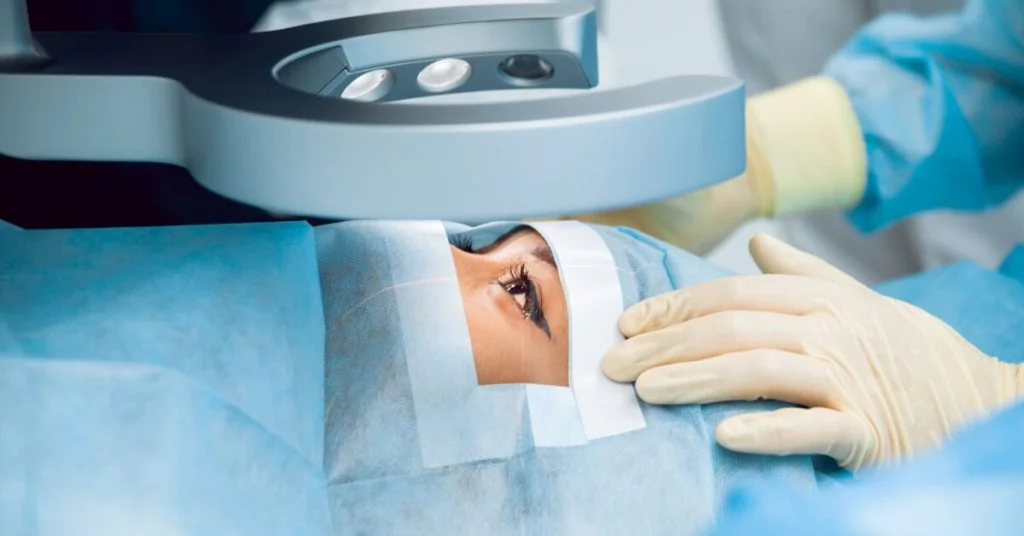
Eye Surgery
Laser Eye Surgery
Laser eye surgery uses a concentrated beam of light (a laser) to remove or reshape targeted eye tissue. When used on the cornea, it can change its curvature and correct refractive errors.
In many cases, this significantly reduces or completely removes the need for glasses or contact lenses. As with any surgical procedure, there are potential risks and complications.
Laser eye procedures are most commonly used to correct refractive errors. People with refractive errors often have an irregularly shaped cornea.
The cornea is the clear front surface of the eye. When its shape is imperfect, it does not focus light correctly onto the retina at the back of the eye. This leads to blurred vision and conditions such as:
Also read: Learn About the Causes of Blurred Vision and How to Treat It
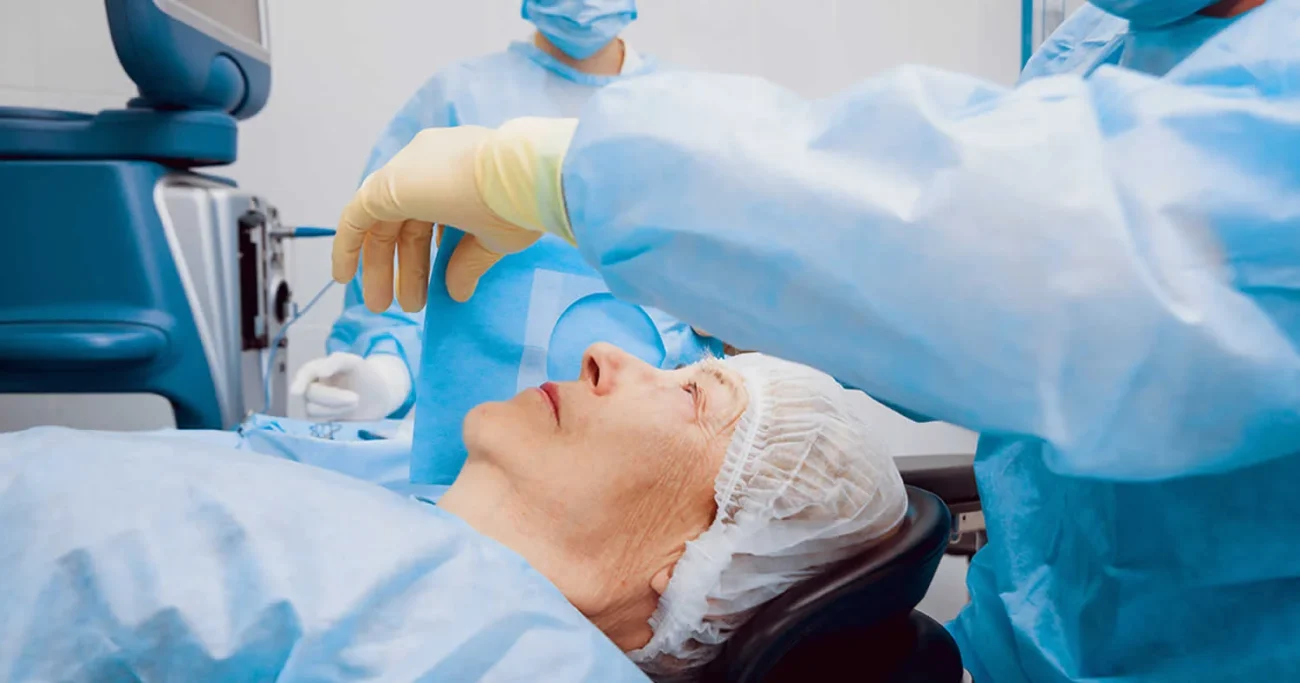
Eye Surgery
Who Is a Candidate for Laser Eye Surgery?
Also read: How to Care for Your Eyes After Laser Vision Correction
If you’re worried that you may be too young or too old for laser eye surgery, or if you have an existing medical condition, there is no need to panic. Every person is different, and your suitability for treatment will depend primarily on the overall health of your eyes.
To address any concerns you may have, you can schedule a comprehensive eye examination and consultation with the ophthalmologists at Al Batal Eye Center, where your case will be assessed in detail.
Overall, laser eye surgery has become one of the most commonly performed procedures in the UK and worldwide, and it is considered one of the safest elective surgeries available.
Your health and wellbeing are our top priorities here at Optimax, which is why if we feel that laser eye surgery is not the right option for you, we will not proceed with treatment.
Research by the Royal College of Ophthalmologists has shown that about 95% of patients are satisfied with the results of laser vision correction. We are proud to report that 99% of our patients achieve at least the minimum visual standard required for driving—or better.