Med info
Is LASIK Eye Surgery Painful?

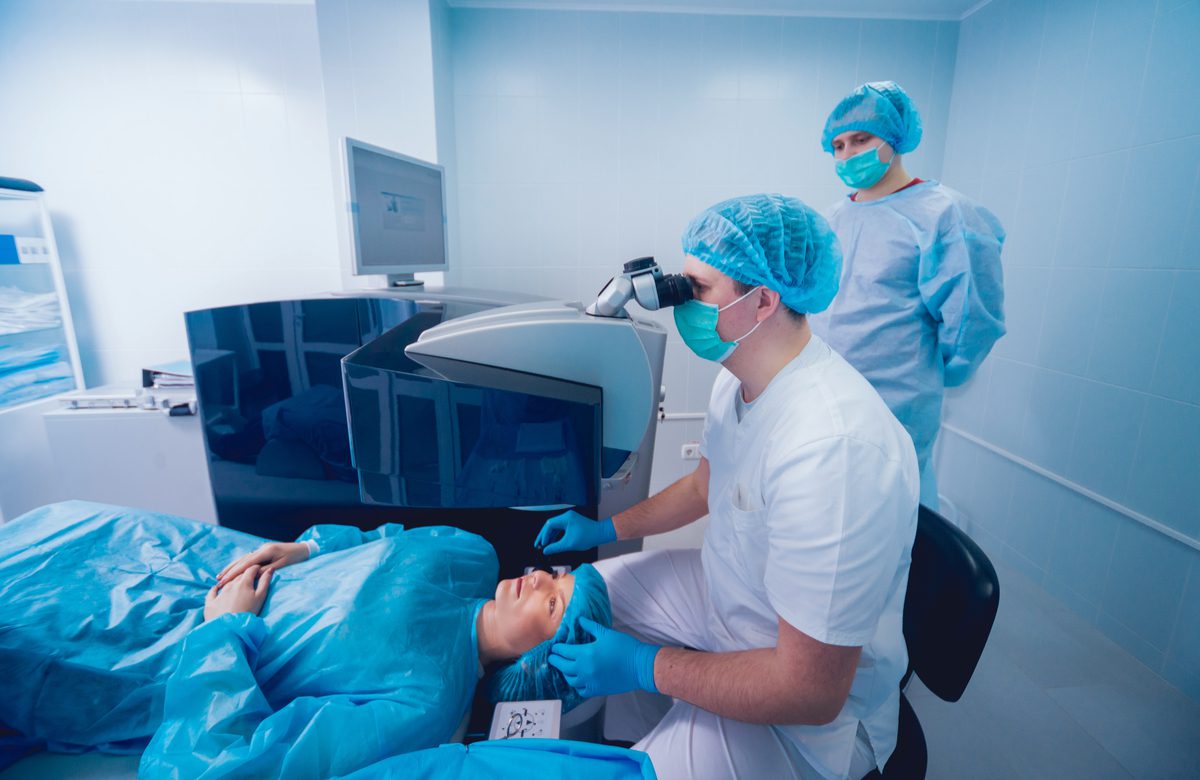
Laser eye surgery reshapes the front surface of the eye to correct nearsightedness, farsightedness, or astigmatism. Using a laser to create and lift a thin flap in the cornea is one of the most common types of refractive eye surgery performed today.
The Eye Center at Al Batal Specialized Complex in Saudi Arabia is considered one of the leading centers for treating various eye problems. It helps many patients get rid of dependence on glasses and contact lenses, and is committed to using the latest advances in ophthalmology.
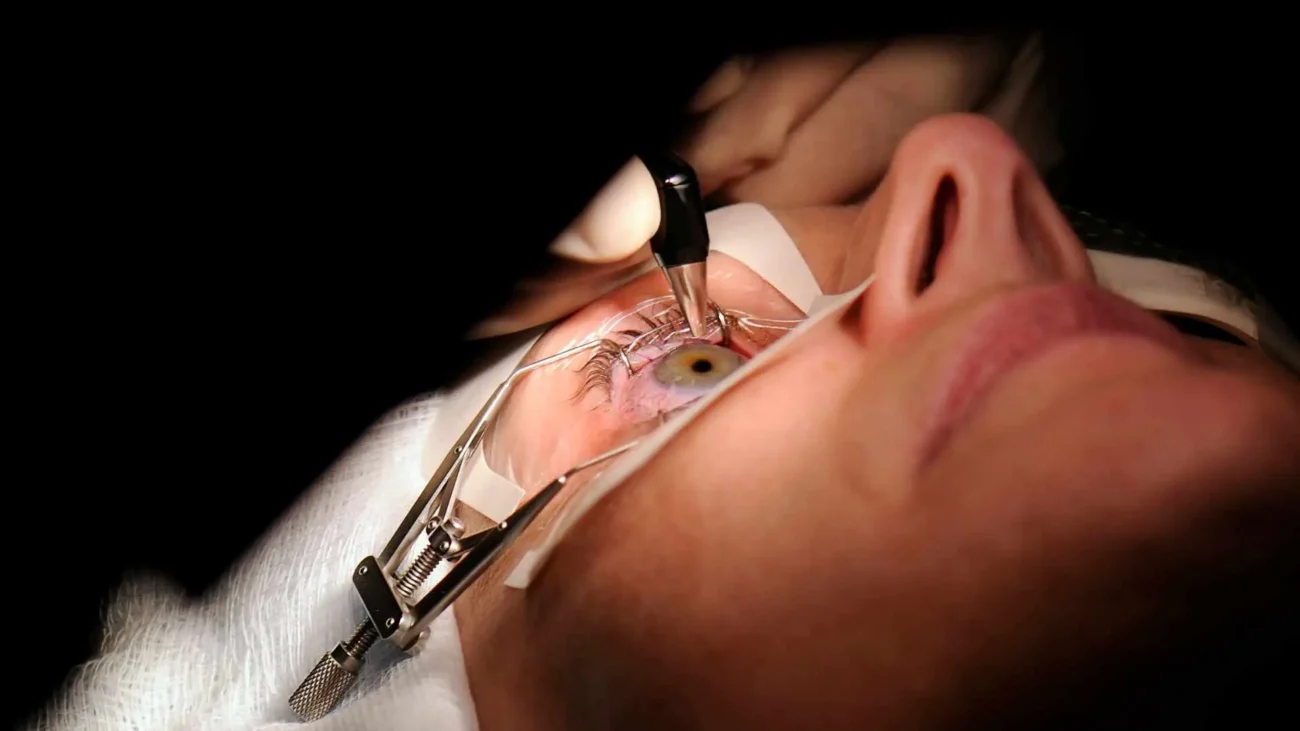
So, is LASIK eye surgery painful?
Is LASIK Eye Surgery Painful?
In general, patients do not feel pain during LASIK surgery because anesthetic eye drops are used. Whether LASIK is painful depends mainly on the type of procedure performed and how well the eye is numbed beforehand.
Some types of eye surgery require general anesthesia, but LASIK usually only needs topical anesthesia (numbing eye drops). Because the tissue being treated is very superficial, local anesthesia is enough to control any discomfort. In most cases, only oral pain relievers are prescribed if needed.
So, is LASIK eye surgery painful? The basic reassuring point is that LASIK itself is not considered a painful procedure. Even though the cornea is being treated, medications are used to maximize patient comfort throughout.
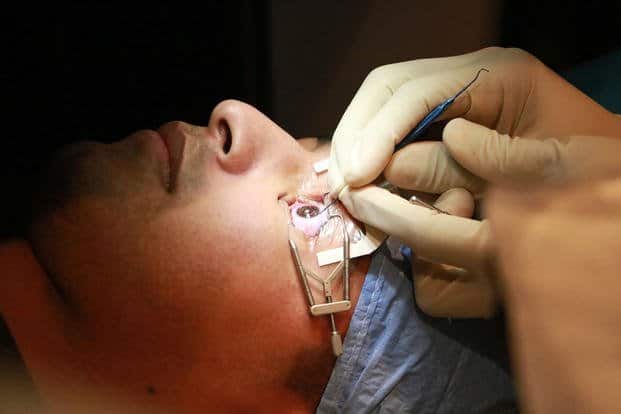
Does LASIK Hurt After the Procedure?
If there is usually no pain during LASIK, what about after the laser eye surgery?
It is normal to feel some discomfort or a burning/scratchy sensation in the first couple of hours after treatment, but patients are usually given oral pain relievers to lessen this. Most people go home, rest, and sleep through these first few hours.
In most cases, any eye discomfort after LASIK is mild and related to normal post‑operative inflammation, and it tends to subside within a few hours. After that, patients can start using their eyes normally.
To learn more about the cost of LASIK, you can contact Al Batal Specialized Complex.
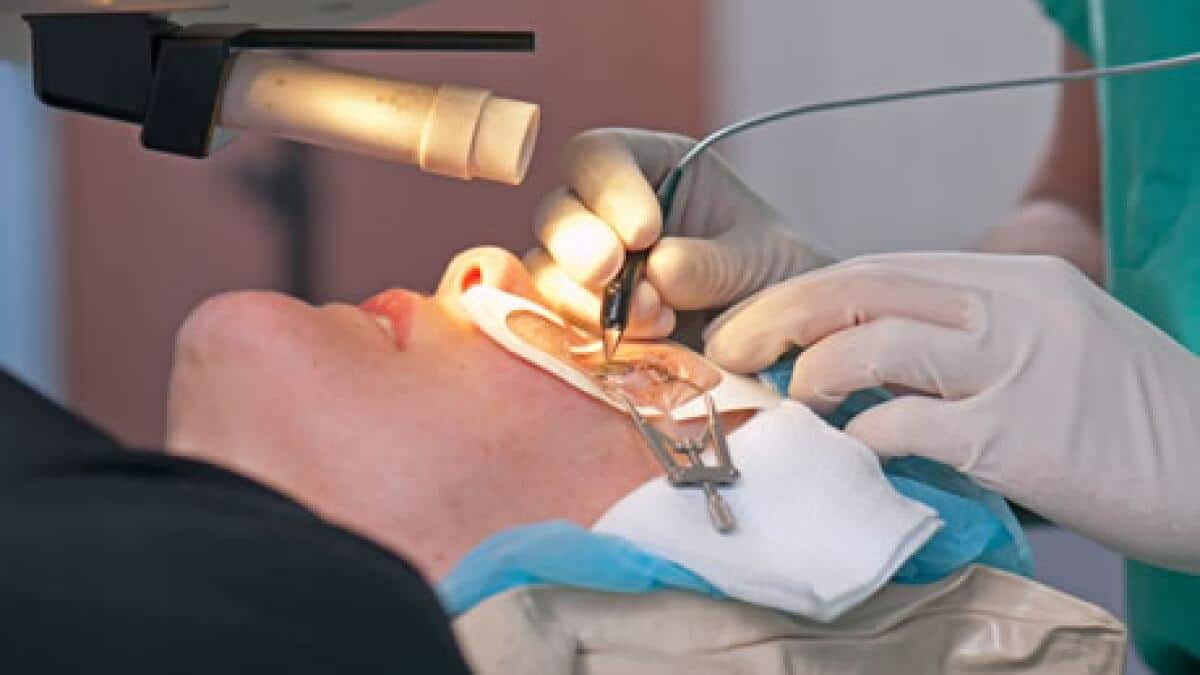
Post‑LASIK Eye Care Tips
Some key eye care tips and instructions after LASIK include:
– Use all prescribed eye drops (antibiotic, anti‑inflammatory, and lubricating drops) exactly as directed.
– Avoid rubbing or pressing on your eyes, especially during the first week after surgery.
– Wear the protective eye shield provided by your surgeon while sleeping for the recommended period.
– Avoid getting tap water, shampoo, or soap directly into the eyes in the first days after surgery.
– Stay away from swimming pools, hot tubs, and the sea for the period your doctor advises.
– Wear sunglasses outdoors to protect against bright light and dust.
– Attend all scheduled follow‑up visits so your doctor can monitor healing.
Following these instructions helps protect the corneal flap and reduces the risk of complications and pain.
Side Effects of LASIK Surgery
Common temporary side effects during the LASIK healing period include:
– Dry eyes
– Mild burning or a foreign‑body sensation
– Sensitivity to light (photophobia)
– Glare, halos, or starbursts around lights at night
– Fluctuations in vision during the first days to weeks
Less common but more serious complications of LASIK may include:
– Significant infection or severe inflammation
– Dislocation or wrinkling of the corneal flap
– Irregular astigmatism
– Marked decrease in vision
A sudden increase in pain, severe redness, or a noticeable drop in vision after LASIK may indicate a complication. In such cases, you must contact your eye surgeon immediately.
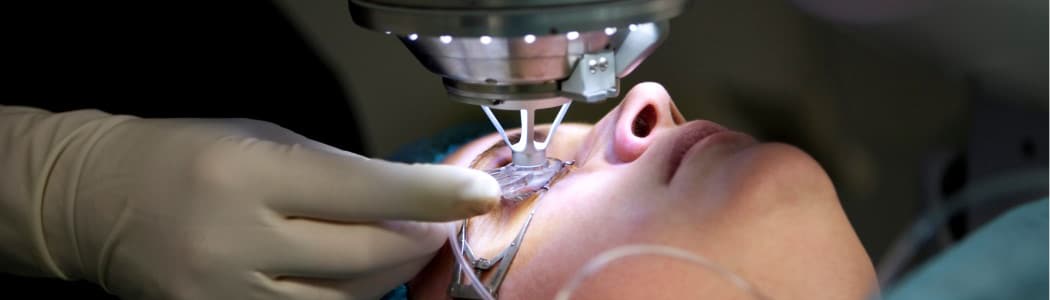
Eye Pain After LASIK
Although it is very rare, some patients may experience significant eye pain after LASIK surgery.
If you feel severe pain—especially if it is associated with tearing, redness, or blurred vision—you should contact our eye care center right away.
We will examine you urgently to identify the source of the pain. The most common cause of severe post‑LASIK pain is displacement or disturbance of the corneal flap, as well as other flap‑related problems, which are generally treatable when discovered early.
The best way to avoid flap issues is to carefully follow all postoperative instructions.
For example, patients must not rub their eyes for about a week after surgery, no matter how itchy or irritated they feel. Rubbing may cause the corneal flap to shift. Similarly, patients should avoid strong running water directly hitting the eyes, such as from the shower. Not following these guidelines may lead to flap displacement and associated pain.
What to Expect After Laser Eye Surgery
In general, if you feel any discomfort during eye surgery, it is usually due to inadequate anesthesia. But when we ask, “Is the eye very painful after laser surgery?” the answer in most LASIK cases is no: most patients experience only mild, temporary discomfort.
How much discomfort you feel depends on the specific procedure and how well your eyes were anesthetized. Understanding this, along with clear information about the benefits and risks of LASIK, helps reduce anxiety.
Modern LASIK techniques are designed to minimize tissue trauma. Even though the cornea is being reshaped, updated medications and technologies are used to keep patients comfortable during and after the procedure.
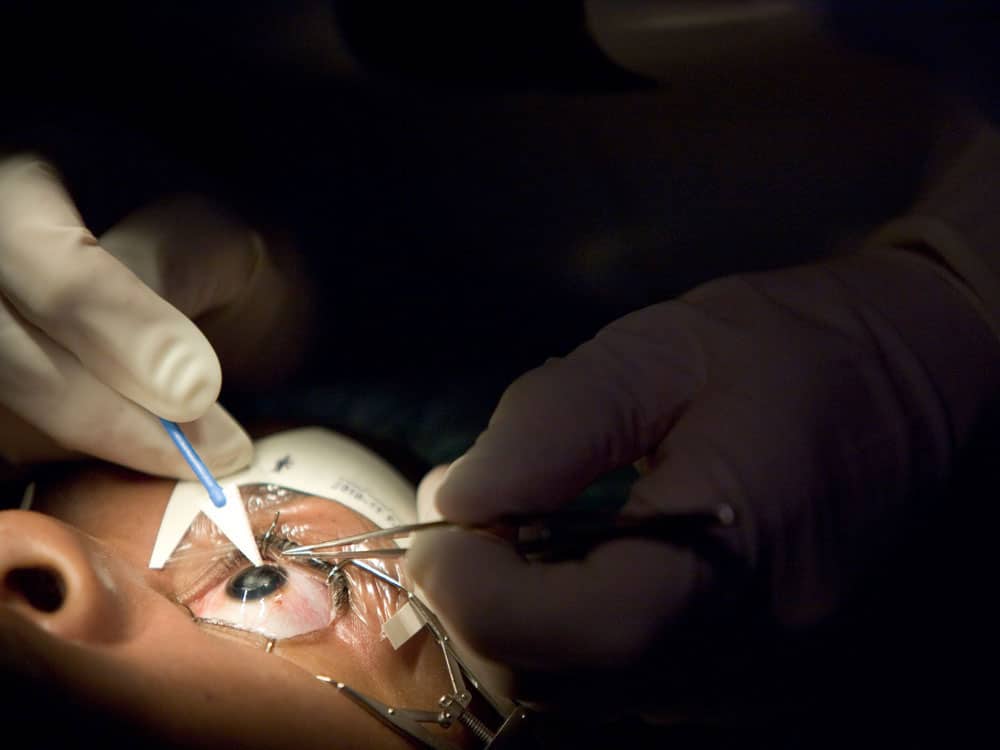
Does LASIK Relieve the Need for Glasses Without Pain?
So, is LASIK eye surgery painful? The short answer is that in most cases, no. LASIK is a quick, essentially painless procedure that takes about 10 minutes per eye. It is one of the most common refractive surgeries performed today to correct nearsightedness, farsightedness, and astigmatism, thereby reducing or eliminating the need for glasses.

You can benefit from advanced medical care at the Eye Center in Al Batal Specialized Complex in Saudi Arabia, which provides all the necessary diagnostic equipment and modern surgical technology. Book a consultation appointment to evaluate your eyes and discuss the most suitable vision‑correction options for you.