
Med info
Is Laser Eye Surgery Painful?

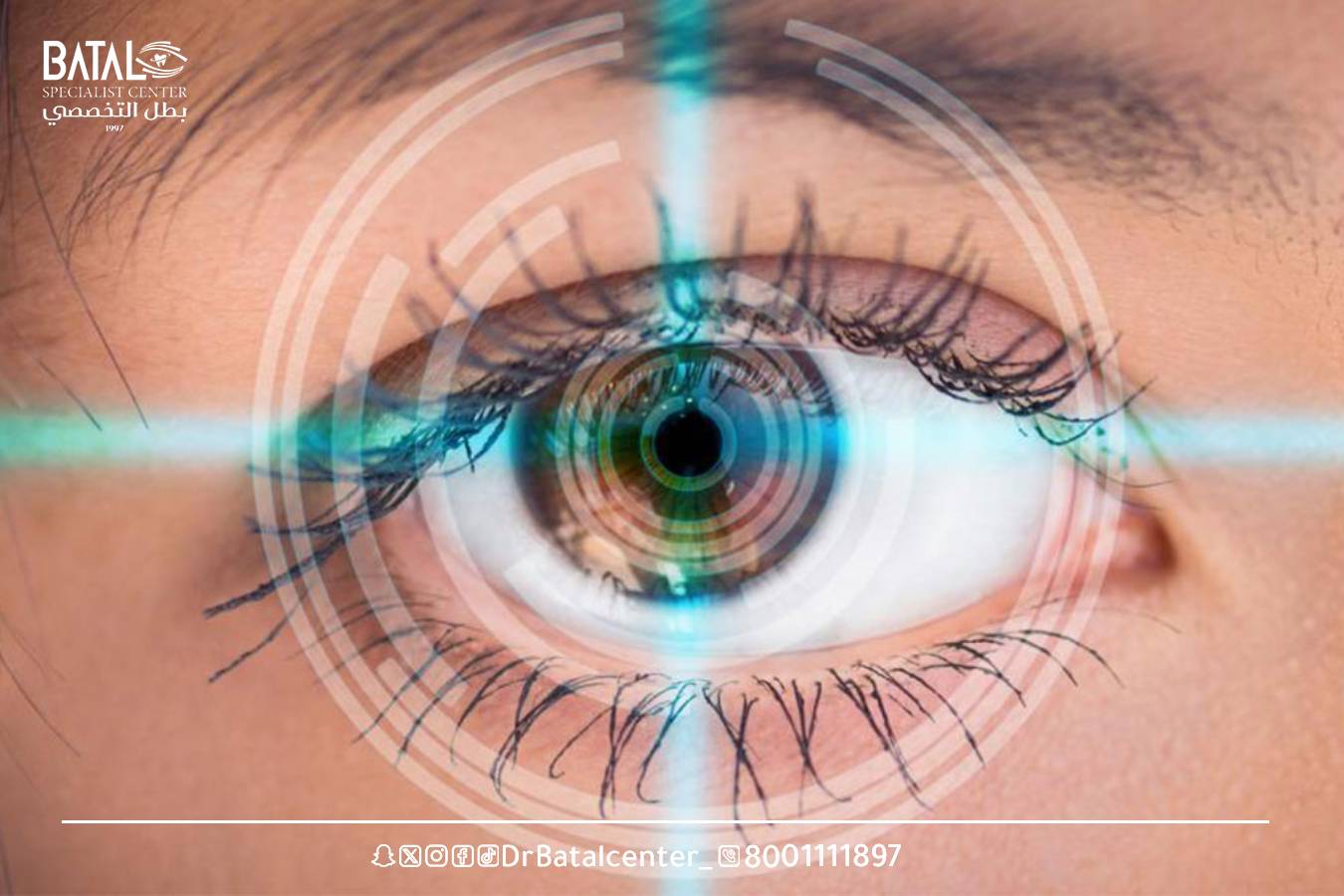
There are many myths and misconceptions about laser eye surgery, and a lot of people are afraid to have it because they think it might be painful.
In reality, the procedure itself is usually pain-free, and any discomfort you may feel afterward is minimal. There’s really no need to worry. Read on to find out whether laser eye surgery hurts and what you can expect after treatment.
Read also:
What Is Laser Eye Surgery?
Laser eye surgery is a procedure used to correct myopia (short-sightedness), hyperopia (long-sightedness), astigmatism, and now presbyopia (the age-related need for reading glasses).
The treatment works by reshaping the cornea – the clear front surface of the eye. This reshaping is done using an excimer laser, which helps the eyes focus more accurately and, in turn, significantly improves natural vision.
In LASIK, the reshaping is done under a very thin flap created with another laser called a femtosecond laser. During laser eye surgery, numbing eye drops are applied to reduce any pain, and the surgeon uses a small “lid speculum” to gently keep the eyelids open.
In LASIK or IntraLASIK, a femtosecond laser (often referred to as IntraLase) is first used to create a thin corneal flap. The excimer laser then uses iris registration technology to recognize and track the eye. The flap is lifted, and the cornea is reshaped. The entire process takes less than seven minutes per eye.
This procedure is not painful, though patients can expect to feel a little pressure when the IntraLase laser creates the flap. After the procedure, some people report a stinging or burning sensation for a few hours.
Different techniques are used depending on your specific vision problem. Below is a brief overview of the most common procedures for different refractive errors:
Read also:
Before Laser Eye Surgery
Your surgeon will instill eye drops to keep your eyes moist along with a mild anesthetic to prevent any discomfort. Your eyes will then be gently held open with a sterile speculum. This can feel a bit strange at first, but if you relax, you’ll quickly get used to the sensation.
If you’re particularly anxious about surgery, your surgeon can also offer you a mild sedative to help you relax.
Laser surgery
During Laser Surgery
Depending on the type of laser eye treatment you’re having (LASIK, LASEK, or SMILE), your surgeon will use advanced techniques to reshape the cornea and correct your refractive error.
The laser portion of the treatment is very short, typically lasting only about 30–40 seconds. With each pulse, the laser removes tissue equal to about a quarter of the width of a human hair, so it is incredibly precise and highly focused.
Because of the anesthetic drops given beforehand, the procedure is generally painless. If you do feel any discomfort, it is usually brief.
Contrary to popular belief, the laser is not hot; it is a “cold” laser. Some patients report a burning smell during treatment, but this is simply the laser interacting with carbon particles in the surrounding air, creating a smoke-like odor. It has nothing to do with the eye tissue itself and is not a cause for concern.
After Laser Surgery
After the procedure, you may experience some discomfort depending on the type of treatment you had:
LASEK
After LASEK surgery, your eyes will be covered with bandage contact lenses – soft, clear lenses worn to protect the eyes while they heal. These lenses may need to stay in place for up to a week, depending on how quickly your eyes recover.
LASEK patients often report mild to moderate discomfort, usually described as a stinging or burning sensation. However, this is typically short-lived and improves as the eye heals.
Eye surgery
LASIK
Patients who undergo LASIK tend to experience less discomfort than LASEK because the cornea heals very quickly. You may notice some dryness in the days following surgery, but this can be managed easily with lubricating eye drops.
Around 90% of laser eye surgery patients are suitable candidates for LASIK, making it the most commonly performed type of laser eye surgery.
ReLEx SMILE (Femtosecond Lenticule Extraction)
SMILE (Small Incision Lenticule Extraction) is the latest and least invasive form of laser eye surgery currently available. If you choose SMILE, you are generally less likely to develop dry eye and can expect a fast recovery time, as no corneal flap is created.
Talk to an Ophthalmologist
The eye surgeons at Batal Complex are highly skilled and focus on making your treatment as comfortable as possible. Complications are very rare, and in almost all cases they can be managed effectively and promptly.
While you may notice some mild discomfort in the hours, and possibly days, after surgery as your eyes heal, there is no need for undue concern. You can get more information or schedule an eye assessment by booking an appointment at Batal Center.
Laser surgery
Laser Eye Surgery
Laser eye surgery corrects refractive errors, freeing you from glasses and contact lenses so you can live life more fully.
It’s a very straightforward procedure and typically takes anywhere from a few seconds to a few minutes per eye, depending on how much correction you need. It can treat myopia, hyperopia, and astigmatism.
An advanced laser beam makes microscopic adjustments to the shape of your corneal surface, correcting small irregularities and giving you clearer, sharper vision.
Most patients are surprised by how quickly they recover and how soon they can enjoy life without the hassle of glasses and contacts.
Both main types of laser vision correction can be enhanced with iDesign, a highly advanced technology that takes more than 1,200 measurements of your eye to create a customized “map.”
This allows your treatment to be tailored specifically to you and is up to 25 times more precise than standard glasses or contact lenses.
Every patient’s eyes are unique, and so is their laser eye surgery. A consultation is essential so we can determine your exact treatment needs.
For that reason, you’ll receive an accurate cost estimate only after your personal consultation. However, advances in technology in recent years have made this remarkable vision correction more affordable and accessible to almost everyone who is medically suitable.
It’s also worth noting that laser vision correction can be more cost-effective in the long run, since it eliminates the ongoing expenses of glasses and contact lenses.
Is Laser Eye Surgery Right for You?
Laser eye surgery is not suitable for everyone, so you should talk to your ophthalmologist not only about laser surgery, but also about the latest options in glasses and contact lenses. This will help you choose the option that best matches your needs.
Laser surgery is usually performed on people with short- or long-sightedness who are over 18 years old and whose prescription has been stable for at least two years. However, it is generally not recommended to treat pure reading prescriptions (presbyopia) this way, because these prescriptions naturally change as you age.
Some very high prescriptions are not suitable for laser correction, but they may still be treated with non-laser eye surgery techniques, such as Clear Lens Exchange (CLE) or Refractive Lens Exchange (RLE).
What Happens If You Move During Laser Eye Surgery?
This is a common question, and thankfully, with modern laser platforms it is largely addressed.
Modern excimer lasers are equipped with highly sophisticated eye-tracking systems that adjust the position of each laser pulse according to the real-time position of your eye.
For example, an excimer laser can measure the position of your eye more than 1,000 times per second. After each measurement, the laser adjusts itself so that the next pulse is delivered exactly where it was planned.
A second check is then performed to confirm that the eye has not moved during that tiny fraction of a second. If the laser is correctly aligned and the eye hasn’t moved, the pulse is delivered (up to about 500 pulses per second).
This means the eye’s position is measured, calculated, and double-checked before every single pulse. If your eye moves beyond the range the system can compensate for, the laser automatically pauses treatment immediately. This all happens within a few hundred milliseconds (or the time it would have taken for hundreds of pulses), long before the surgeon even has time to react and stop the laser manually.
Once your eye returns to the correct position, the surgeon can resume the treatment from the exact point at which it was paused. This is just one of many safety features that make modern laser eye surgery extremely safe.
Read also:
Do the Results of Laser Eye Surgery Wear Off?
No. The correction itself is intended to be permanent. However, there are two main reasons why someone might need glasses again after surgery.
The first and most common is the onset of presbyopia. This is when the eye’s natural crystalline lens slowly loses its ability to change focus from distance to near objects.
Presbyopia usually appears between the ages of 42 and 47 and means that reading glasses become necessary for close work. This is part of the normal aging process of the eye and occurs whether or not you have had laser eye surgery. There are enhancement techniques to help with this, such as monovision or specialized laser profiles. If you are already around 40 at the time of your laser treatment, your procedure can be adjusted to help reduce the impact of presbyopia later.
The second reason is a natural change in your prescription. Laser eye surgery shifts your existing glasses prescription toward zero, but it does not stop your eyes from changing if they are already prone to progression.
Most people find that their prescription stops changing at some point between ages 18 and 30. If a patient’s prescription is still unstable, they may see very well shortly after surgery but later develop a small prescription again. Fortunately, in many cases, an enhancement procedure can be performed.
To minimize this risk, Dr. Ghan recommends considering laser only when your prescription has changed by less than 0.50 diopters per year. Your ophthalmologist can usually advise you on the right timing.
Read also:
Which Treatment Is Right for Me?
A key advantage of LASIK is that the treatment is performed under a flap, so there is no large surface area of epithelium that needs to regrow, as there is in PRK.
The eye may feel mildly uncomfortable overnight but usually less so than with PRK, where discomfort can last for several days. Vision also tends to clear more quickly with LASIK, although PRK and LASIK provide similar visual outcomes after about three months.
The downsides of LASIK are related to the flap, which can rarely be associated with complications such as flap displacement or epithelial ingrowth. Fortunately, these issues are uncommon and treatable, and they are avoided entirely with PRK.
There is also some additional cost with LASIK because it requires a second (femtosecond) laser. Most patients are good candidates for either LASIK or PRK, and the choice often comes down to preference, whereas some patients are not suitable for LASIK and are better treated with PRK.
The ophthalmologist at Batal Specialized Complex will perform a detailed assessment and advise you which option is safest and most appropriate. Given the shorter recovery time and faster visual rehabilitation, most patients who qualify for both procedures ultimately choose LASIK.
Read also:
Top Frequently Asked Questions
What Are the Benefits of Laser Eye Surgery?
Are There Any Health Risks with Laser Eye Surgery?
Complications during laser eye surgery are rare, occurring in fewer than 1% of cases. Your surgeon should thoroughly evaluate you to make sure you’re a good candidate and explain the risks, benefits, and what you can realistically expect.
How Long Do the Effects of Laser Eye Surgery Last?
Laser eye surgery is considered a permanent refractive correction and is very stable in the vast majority of patients. Some eyes can change over time, usually due to changes in the eye’s internal crystalline lens. After about age 42, reading glasses may be needed.
Newer treatments, such as Supracor LASIK, can correct presbyopia (the need for reading glasses) and can be performed even in patients who have previously had laser eye surgery.

Whatever your symptoms of poor vision or eye problems may be, this delicate medical condition requires a thorough examination and proper treatment by an experienced ophthalmologist using effective, modern equipment to achieve the best results. Whatever eye disease or refractive problem you are dealing with, you can book an appointment at Batal Specialized Complex for a comprehensive eye examination and to start addressing your eye issues, no matter how complex they may be.