
Med info
Is It Really Safe to Use Colored Prescription Contact Lenses for Poor Vision?

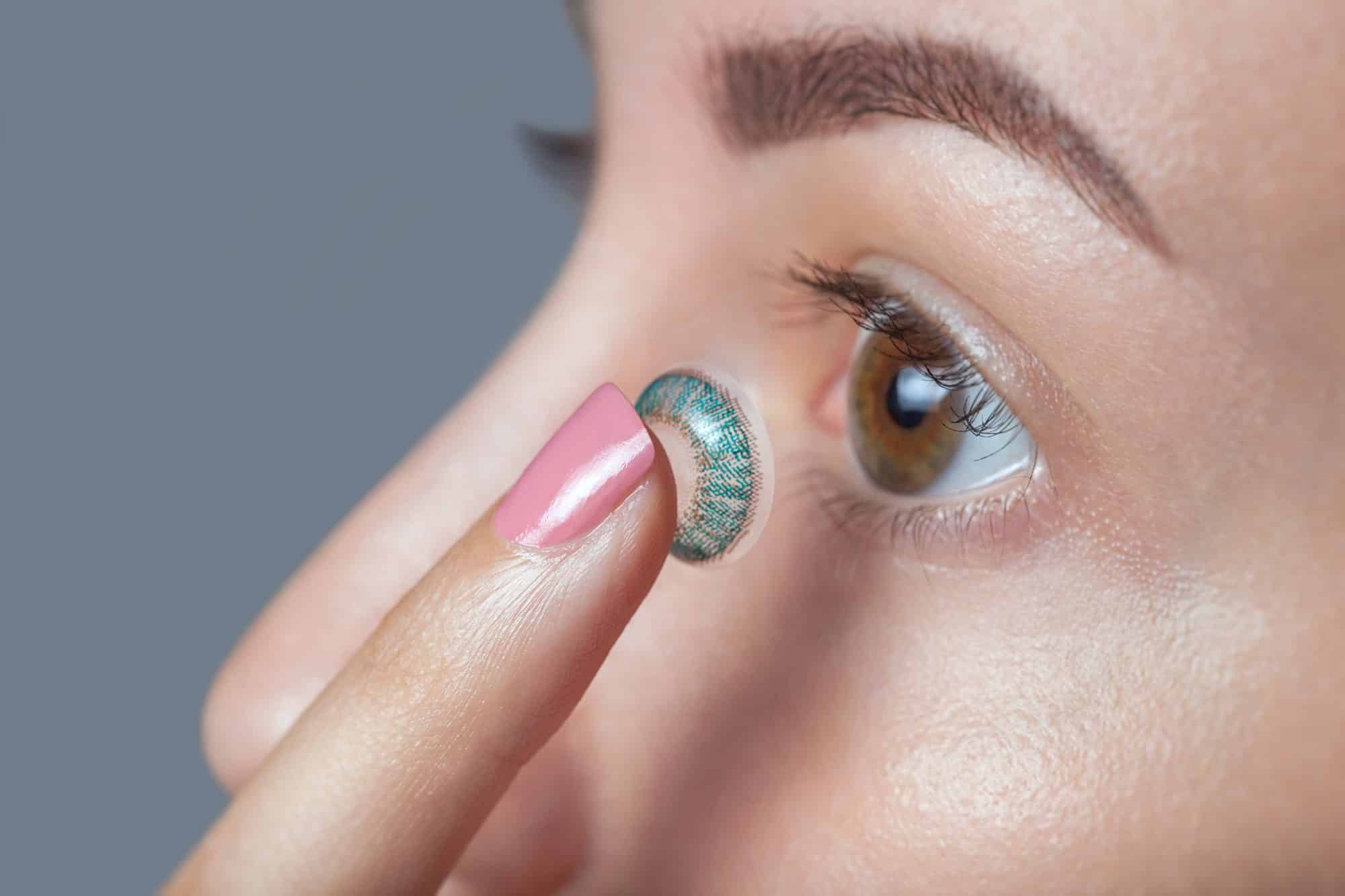
Colored contact lenses can subtly change your eye color while also correcting vision problems, so they serve both cosmetic and medical purposes at the same time. However, you still need a prescription for colored contact lenses, whether or not you actually need vision correction. This is because all contact lenses are considered medical devices and can harm your eyes if they are not properly fitted, worn, and cared for.
Regardless of the type of colored prescription lenses you want or need, you must get a professional fitting and a valid contact lens prescription from a licensed eye doctor.
Read also: Is It True You Can Use Contact Lenses to Treat Farsightedness?
Types of Colored Prescription Contact Lenses
Most colored contacts are designed to mimic the natural look of the iris (the colored part of the eye). Because the iris has a complex structure, many colored lenses feature tiny colored dots, lines, and radially arranged shapes to make them look more natural on the eye. The center of most colored lenses is usually clear so that light can pass through the pupil without being blocked.
Colored prescription lenses come in several tint types:
Visibility tint
This is usually a light blue or light green tint added to the lens simply to make it easier to see during insertion and removal. Visibility tints are very faint and do not change your eye color.
Enhancement tint
This is a translucent but more noticeable tint, slightly darker than a visibility tint. As the name suggests, an enhancement tint is designed to intensify and enrich your natural eye color. Lenses with this type of tint are often best for people with naturally light-colored eyes who want their eye color to appear more vivid.
Blended tints
Blended-color lenses contain tints that gradually become more opaque from the outer edge toward the center of the lens. According to manufacturers, this gradient pattern creates a more natural-looking eye color.
Opaque tint
This is a solid, non‑transparent tint that can completely change your eye color. If you have naturally dark eyes, you’ll typically need this type of colored contact lens to notice a significant color change. Opaque color lenses are available in a wide range of shades, including hazel, green, blue, violet, brown, and gray.
Read also: Medical Contact Lenses and Top Tips for Using Them
How to Choose the Best Colored Lenses
The right color for your contact lenses depends on several factors, such as your hair color, skin tone, and—most importantly—the kind of look you want (subtle and natural vs. bold and dramatic). There are many attractive options to choose from.
Colored lenses for light eyes
If you want to change your look in a subtle way, an enhancement tint that defines the iris border and deepens your natural color may be a good choice. For example, if your natural eye color is blue, you could try colored contacts in gray or a different shade of blue.
If you’re after a more dramatic change, you could try colored lenses that give you a completely new color, such as green or a warm brown tone.
Colored lenses for dark eyes
If you have naturally dark eyes, opaque tints are usually the best option. For a more natural-looking change, you might try a lighter honey‑brown or hazel shade.
If you really want to stand out, you can experiment with bright colors like blue, green, or violet. On darker skin tones, vivid eye colors can create a striking, eye‑catching look.
Custom-tinted colored contact lenses
For a truly unique appearance, some manufacturers offer custom‑tinted colored contact lenses. These lenses are dyed to order using different colors and tint densities. The colors are usually semi‑translucent to maintain a natural look, and they can even help mask congenital eye abnormalities or injuries.
Custom colored lenses are not only for cosmetic use. Custom tints are becoming increasingly popular among professional athletes to enhance visual performance.
Some of the main benefits of sports-tinted contact lenses include:
– Improved contrast sensitivity
– Reduced glare
– Better ability to track balls or moving objects in specific lighting conditions
For example, a green tint may help a tennis player see the ball more clearly against the court background. Photocromic or light‑adaptive contact lenses are also available; they are designed to reduce brightness in bright conditions by darkening in sunlight, but they are not intended to change eye color.
Tips for Using Colored Contact Lenses
Whatever your reason for choosing colored prescription lenses, these tips can help keep your eyes healthy:
– Always get a comprehensive eye exam and proper fitting from an eye doctor.
– Follow the cleaning, disinfecting, and replacement schedule your doctor recommends.
– Never share contact lenses with anyone.
– Remove your lenses immediately if you experience pain, redness, blurred vision, or discharge, and contact your eye doctor.
Possible Drawbacks
Although colored lenses come in different base curves and diameters to fit most wearers, there are times when the colored portion of the lens may shift slightly over the pupil. This can make the eyes look less natural, especially with opaque color tints.
Also, because your pupil changes size depending on lighting conditions, at night or in dim light your pupil may become larger than the clear central zone of the colored lens. In some cases, this can affect your vision (for example, causing halos or reduced clarity).
Are colored contact lenses safe?
Yes—colored contact lenses are safe as long as they are properly fitted, prescribed, and cared for. It is essential to see an eye doctor for a full contact lens exam and fitting. This helps ensure your lenses are safe, comfortable, and look natural on your eyes.
If you only want to change your eye color for special occasions, daily disposable colored lenses can be an excellent option. While there are surgical procedures marketed to change eye color, colored prescription lenses remain a much safer alternative.
Read also: Prescription Lenses – Everything You Need to Know About Medical Lenses
The Cost of Colored Contact Lenses
Colored prescription lenses generally cost more than standard clear contact lenses. An exception is lenses with only a light visibility tint used to help locate the lenses when handling them; these are usually priced similarly to clear lenses.
The added cost for colored lenses may be relatively small, or it can be several times the price of regular lenses, especially for custom‑tinted designs. For many people, however, the ability to safely change their eye color is worth the extra expense.
How to Wear Colored Lenses Safely
You should see an eye doctor for an exam and prescription, and follow the same safety rules whether your lenses are corrective or purely cosmetic:
– Never buy lenses from beauty stores, fashion shops, street vendors, or unlicensed online sellers.
– Always wash and dry your hands thoroughly before handling your lenses.
– Use only recommended contact lens solutions; never use tap water or saliva.
– Adhere strictly to the wearing schedule (daily, biweekly, monthly, etc.) and do not over‑wear your lenses.
Read also: Contact Lenses – Daily Vision Lenses

Taking care of your family’s eye health means scheduling regular visits to the eye doctor, protecting vision, and following all professional advice and instructions. To maintain strong, healthy eyesight with minimal problems, visit our clinics for the best eye examinations and the latest diagnostic and treatment technologies.