Med info
Intraocular Lens Implantation: What You Need to Know

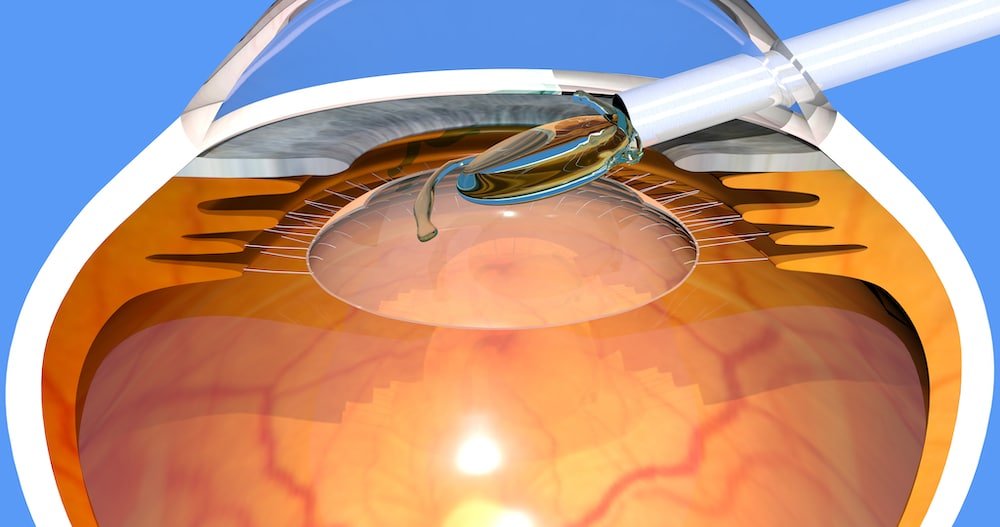
Intraocular lens implantation (IOL implantation) is the placement of an artificial lens inside the eyeball to replace your natural lens. It is a key part of cataract surgery, where the cloudy natural lens is completely removed and replaced with a clear artificial one.
Lens implantation is used when other options are not suitable. This is typically the case with cataracts, but it may also be recommended, for example, if your refractive error is very high or when the lens loses its flexibility, leading to presbyopia (age‑related difficulty focusing up close). Your eye specialist will determine whether you are a good candidate for lens implantation during a comprehensive eye examination.
Read also: Types of Vision Correction Surgery | The Latest Options
How the Eye Works
The eye’s natural lens focuses light onto the retina, which then sends visual signals to your brain. As you age, proteins in the lens undergo changes, and some parts of the lens become cloudy. This cloudiness is known as a cataract. Cataracts can make objects appear blurred or hazy, and may give them a brownish or yellowish tint.
Cataracts are one of the leading causes of vision loss and blindness, especially in older adults. However, in most cases they can be effectively treated with surgery—a procedure performed more than two million times every year.
Read also: Keratoconus Treatment 2023 | Corneal Treatment at Batal Eye Clinic
The Intraocular Lens (IOL)
An intraocular lens (IOL) is a clear, artificial lens made from biocompatible plastic or similar materials. It is usually about one‑third the size of a U.S. dime. There are several different types of IOLs, including monofocal, multifocal, toric (for astigmatism), and accommodating lenses, each designed to address specific visual needs.
Read also: Requirements for Vision Correction Surgery | Are You a Candidate?
Cataract and Lens Implant Surgery
If you have a cataract, you will see an ophthalmologist, a doctor who specializes in eye diseases and eye surgery, to evaluate and perform the procedure. In many cases, your ophthalmologist may initially recommend waiting to remove the cataract until it starts to interfere with your daily activities, such as reading, driving, or recognizing faces.
The surgery can be performed in a hospital or an outpatient surgical center. To prepare you for cataract surgery with lens implantation, your doctor will typically:
– Perform a complete eye examination
– Measure the shape and length of your eye to calculate the appropriate IOL power
– Review your medical history and current medications
– Explain the procedure, potential risks, and expected outcomes
On the day of surgery, the medical team will:
– Apply eye drops to dilate your pupil and numb the eye
– Clean the area around your eye to maintain sterility
– Make a tiny incision in the cornea
– Remove the cloudy natural lens (most commonly using phacoemulsification, which uses ultrasound energy)
– Insert and position the new intraocular lens inside the eye
– Place a protective shield over the eye and give you instructions for postoperative care
Read also: Causes of Poor Vision | 9 Factors That Can Damage Your Eyesight
Implantable Collamer Lenses (ICL)
Older patients and some adults may have vision problems that cannot be adequately corrected with laser procedures because of very high refractive errors or conditions such as high astigmatism or significant nearsightedness (myopia). For these individuals, implantable collamer lenses (ICLs) offer an alternative solution.
Patients who receive ICLs are generally between 21 and 45 years of age. Unlike standard intraocular lenses used in cataract surgery (which completely replace the natural lens), ICLs are placed inside the eye through a small incision and positioned between the iris and the natural lens. The ICL works together with your own lens to focus light correctly on the retina, allowing you to see clearly again, often without the need for glasses or contact lenses.
Advantages of ICL Lenses
Some of the key benefits include:
– Ability to correct high levels of nearsightedness and astigmatism
– Preservation of the natural lens, maintaining the eye’s natural focusing structures
– Typically quick visual recovery and stable results
– Option to remove or replace the lens if needed in the future
Read also: The MicroPulse Laser Device for Treating Eye Deviation and Strabismus

Whatever visual defects or eye conditions you may have, these delicate medical issues require a thorough examination and an appropriate treatment plan by a skilled, experienced ophthalmologist using effective, up‑to‑date medical technology to achieve the best possible outcomes. Whatever eye disease or problem you are facing, you can book an appointment at Batal Specialized Center for a comprehensive eye evaluation and to begin addressing your vision issues, no matter how complex they may be.