Med info
Intense Pulsed Light (IPL) Treatment for Dry Eye | Key Information and Facts

Dry eye disease (DED) has reached epidemic levels in the United States. A 2017 study published in the National Center for Biotechnology Information (NCBI) reported that nearly 16 million adults have been diagnosed with DED.
This condition is noticeable among people aged 18 to 34 and becomes more common with age. It also appears to be more prevalent in women than in men. For this reason, Intense Pulsed Light (IPL) treatment for dry eye has become an important option worth understanding in detail.
Read also: The Most Common FAQs About LASIK Surgery
What Is IPL?
Eye care specialists use a wide range of treatments to manage dry eye disease, including artificial tears, eyelid scrubs, and warm compresses.
While these options can help reduce the uncomfortable symptoms associated with DED, they usually provide only short-term relief. A more recent alternative for treating dry eye that can target the underlying cause of the condition is Intense Pulsed Light (IPL) therapy.
IPL has been used for years in dermatology to treat several common skin problems, such as enlarged pores, sun-damaged skin, and facial pigmentation, among others. More recently, this technology has been found to be effective in treating dry eye disease as well.
Read also: Causes and Risk Factors of Irregular Astigmatism
How Does Intense Pulsed Light (IPL) Work for Dry Eye?
IPL treatment primarily targets one of the two main types of DED: evaporative dry eye, which accounts for about 86% of all dry eye cases. This type develops when the Meibomian glands become blocked.
When these glands do not secrete enough oil (meibum), your tears evaporate four to fifteen times faster than normal. As a result, you may experience uncomfortable symptoms such as grittiness, burning, light sensitivity, and blurred vision.
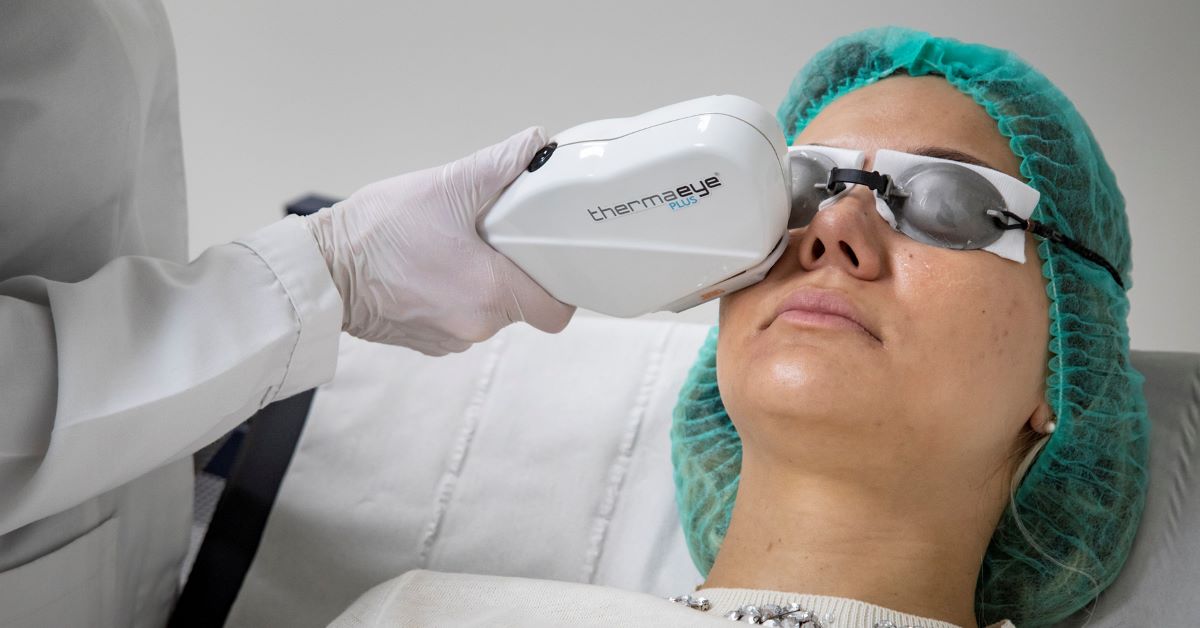
Intense Pulsed Light (IPL) therapy uses controlled pulses of light to liquefy and release the thickened, obstructive oil that is blocking the Meibomian glands. It also helps stimulate proper gland function, allowing a healthier flow of oil to coat the eye’s surface. This stabilizes the tear film and reduces excessive evaporation of the watery layer of the tears.
Read also: What Is Intraoperative Floppy Iris Syndrome (IFIS)?
What to Expect from Intense Pulsed Light (IPL) Treatment for Dry Eye?
Here is what typically happens during IPL treatment for dry eye:
You may need to undergo IPL sessions about once a month for approximately four consecutive months to achieve optimal results. Your doctor may then recommend maintenance treatments every 6 to 12 months. These follow-up sessions help maintain an adequate and long-lasting oil flow from the Meibomian glands and reduce the likelihood of dry eye symptoms returning.
Read also: Why Do My Eyes Water When I Lie Down? | Causes and Treatment
How Quickly Does Intense Pulsed Light (IPL) Work for Dry Eye?
Most patients begin to notice improvement within a few hours after the first treatment. However, depending on the severity of the condition, up to four separate treatment sessions spaced about 2–3 weeks apart may be required. After the third or fourth session, many patients do not need additional treatment for up to a year. In general, most patients require about one maintenance session annually.
Read also: Macular Hole in the Eye | Causes, Diagnosis, and Treatment
Whatever eye condition or visual problem you may be facing, it is a delicate medical issue that requires thorough examination and appropriate treatment by a skilled ophthalmologist using effective medical technologies that deliver real results. Whatever eye disease you are dealing with, you can book an appointment at Batal Specialized Medical Complex to undergo a comprehensive eye examination and begin addressing your eye problems, no matter how complex they may be.
Read also: The MicroPulse Laser Device for Treating Eye Deviation and Strabismus